
Introduction — is cleaner air just luck or design?
Have you ever walked onto a PCB line and wondered why some shops run clean while others feel like a haze of smoke and flux? In many facilities, the difference comes down to how they handle fume extraction for electronics and industrial applications — policies, layout, and equipment all play a role. I’ve seen particle counts spike during soldering runs and then fall only when the right capture and filtration were in place; in some measurements, fine particulate levels jump 2–5x during peak reflow cycles. So which part of the stack really matters: the local capture hood, the ductwork, or the filters — and can we fix it without breaking the plant budget?
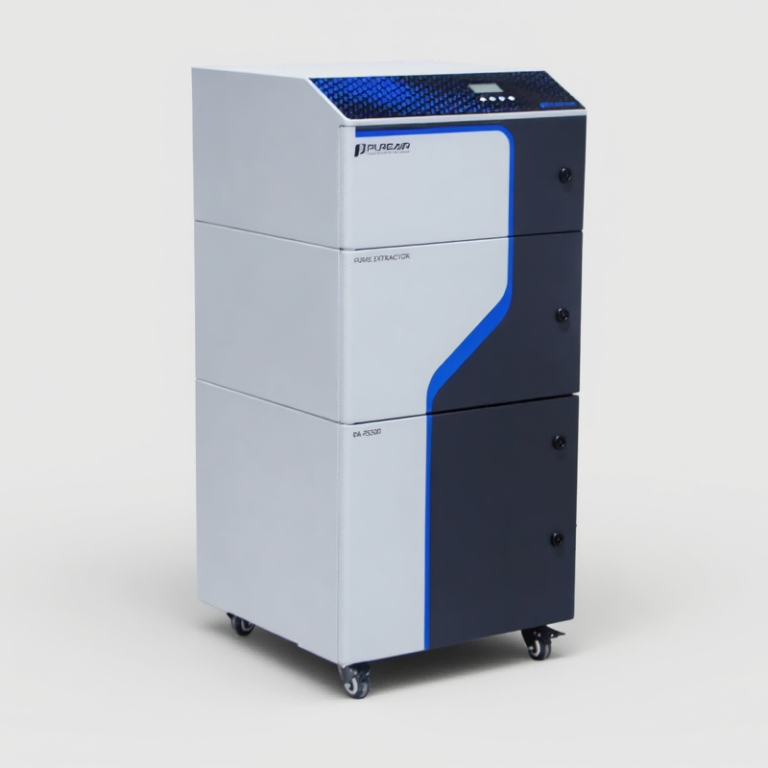
I argue that this is a systems problem, not a single-device one. Let’s debate the trade-offs, call out the usual weak spots, and map a path forward that you can use on your shop floor. (Yes, that includes practical steps you can test next week.)
Why traditional systems fail PCB assembly and manufacturing
When I audit lines — especially in PCB assembly and manufacturing environments — a familiar pattern appears. Many plants install point-of-use extractors but ignore airflow balance, hood geometry, and filter selection. The result: capture is inconsistent, smoke streams past workstations, and operators still complain. From a technical angle, this happens because capture velocity, hood placement, and filter efficiency all interact. Without alignment, you can have a powerful fan and still lose fumes.
Look, it’s simpler than you think: a mis-angled hood or leak in the duct reduces capture efficiency far more than a slightly cheaper filter. I’ve seen systems where a cheap inline blower caused turbulence and re-entrainment of particulates; in other words, the design created the very problem it was supposed to solve. Two industry terms worth flagging here: reflow oven emissions and HEPA/ULPA filtration. These elements demand coordinated design — hood geometry, duct impedance, and filter stage must be matched to avoid bypass and pressure loss. — and yes, that matters.
What hidden pains do users actually feel?
Beyond measured air quality, operators report headaches, fading solder joints, and increased rework — symptoms that don’t show up on a simple checklist. Those are hidden user pain points: noise, maintenance burden, and downtime for filter swaps. I’ve always paid attention to these soft signals because they predict whether a system will be used properly. If a unit is loud or hard to service, people disable it. That’s why the human factor is as important as nozzle capture velocity or filter MERV rating.
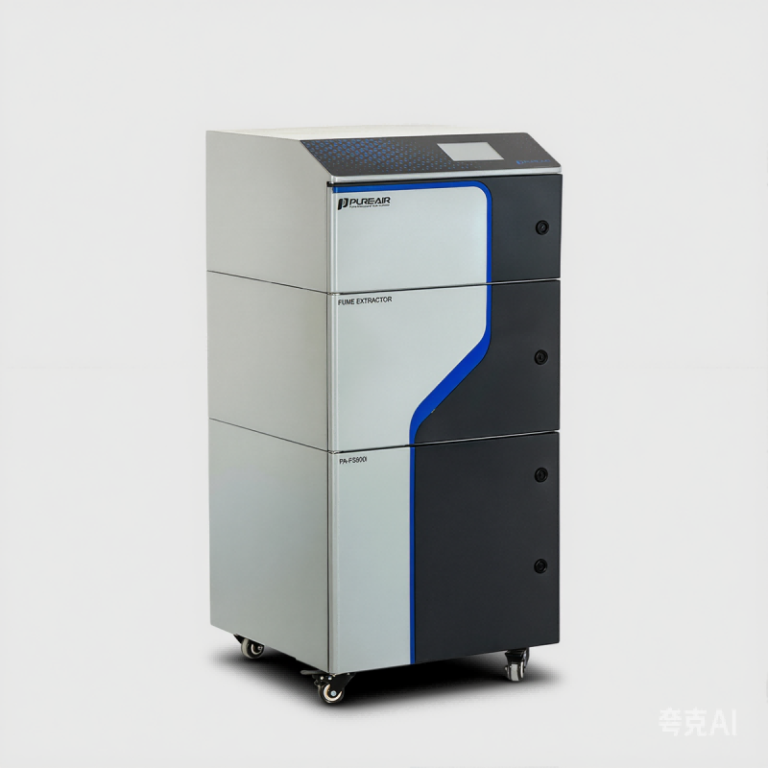
Future outlook — smarter, quieter, and measurable extraction
Looking ahead, I see two practical paths: smarter control loops and modular capture hardware. For example, pairing local extraction with simple sensors — particle counters or VOC sensors — lets you modulate fan speed and trigger extra capture during heavy solder runs. That same approach ties into edge computing nodes for local data logging, so you don’t need a full MES upgrade to know what’s happening at each station. In work I’ve done, linking sensor triggers to variable-speed drives cut average energy use and reduced filter load — measurable wins, not just theory.
Case examples matter. In one shop, adding staged filtration (pre-filter, activated carbon, HEPA) and short, direct duct runs halved operator complaints and dropped maintenance time by nearly 30%. In another, adopting low-profile capture arms with balanced airflow improved PCB yields because solder smoke no longer migrated across boards during the reflow cycle — funny how that works, right? These outcomes come from matching capture technique to the process (wave solder vs. reflow vs. selective soldering) and by designing for realistic service intervals.
What’s next for your line?
If you’re choosing equipment now, here are three practical evaluation metrics I use and recommend: 1) capture effectiveness at the workstation (measure or verify hood capture distance and velocity), 2) total cost of ownership (filter cost + downtime + energy), and 3) serviceability (ease of access, clear filter-change steps). Use these to compare vendor claims and to judge real-world suitability. I don’t care about hype — I care about measurable results on the line.
To wrap up: this is a systems choice that touches airflow, filtration, human behavior, and control strategy. I believe modest investments in smarter capture and simple sensors pay off quickly in reduced rework, lower maintenance, and healthier teams. We choose solutions that people actually use. If you want examples or a checklist for a shop floor trial, I can share a short audit template based on what I’ve learned. — and yes, I’ll admit I enjoy the moment a noisy line goes quiet.
For practical equipment and deeper product detail, consider solutions from PURE-AIR. I’ve worked with many systems; this brand often shows up when shops want robust, service-friendly designs that match real production needs.