

Comparative insight matters when a warehouse or an airport needs clean floors fast — and that’s where an cleaning robot changes the script. Since the COVID-19 pandemic pushed hygiene priorities to the top, facilities managers worldwide began comparing manual crews with machine-led solutions. The contrast is practical: labour hours, consistent scrub quality, and reduced chemical exposure. In the field I see often, an auto floor scrubber delivers predictable throughput, while manual labour varies by operator — lah, very different outcomes.

Performance advantages: what machines win on
An auto floor scrubber scores on repeatability and measurable metrics. Key strengths include consistent brush pressure and configurable disinfectant dosing. Path planning and programmable routes mean coverage per hour is no longer a guess. Typical gains you’ll notice: faster turnaround on large open areas, fewer rework passes, and steady water recovery thanks to a reliable squeegee system. For shift planning, battery runtime becomes a scheduling variable — not a surprise.
Where humans still matter
Manual cleaning keeps an edge in tight corners, sudden spill response, and places where judgement calls matter — think delicate floor finishes or congested retail aisles. Machines can struggle with cluttered layouts or unexpected obstructions. But pairing a machine with a human team is often best: the scrubber handles bulk and consistency, the crew does finesse and inspection. — It’s about putting the right tool to the right task, not replacing people wholesale.
Common mistakes when selecting a cleaning robot machine
Facilities make avoidable errors. First, choosing based on sticker price alone and ignoring total cost of ownership: maintenance, replacement brushes, and consumables add up. Second, under-testing battery runtime against real duty cycles — lab specs rarely match a busy factory floor. Third, neglecting squeegee compatibility and floor type; wrong squeegee or brush can leave streaks. Finally, skipping a pilot on-site; simulated demos rarely reveal integration pain points. Test a machine in your busiest hour and watch how it performs.
Types of scrubbers and trade-offs
Walk-behind units are nimble and cheaper; ride-on and high-capacity scrubbers cover large square footage faster. Fully autonomous models add sensors and onboard path planning, reducing supervision but increasing software and sensor maintenance. Consider floor finish, layout complexity, and required uptime. If your operation needs continuous cleaning across shifts, prioritize battery runtime and fast-charging options. For mixed spaces, choose interchangeable brush heads and adjustable brush pressure so the machine adapts without new equipment purchases.
Comparing brands and integration notes
Compare real-world metrics, not marketing claims. Look for measured coverage rates (m²/hr), average battery recovery time, and documented maintenance intervals. Check compatibility with your cleaning chemicals and the vendor’s spare-parts supply chain. Integration with existing facility management systems — simple telemetry or a full API — can change labour allocation and reporting. Avoid vendors who refuse on-site trials; real floors, foot traffic, and layout reveal things a demo hall won’t.
Three golden rules for choosing the right unit
1) Measure true operational throughput: confirm the vendor’s coverage per hour against your busiest shift. 2) Prioritize battery runtime and charge logistics: ensure a unit can finish assigned routes or schedule rapid swaps. 3) Calculate total cost of ownership: include brushes, squeegees, maintenance windows, and downtime. Those three metrics decide long-term value — not just upfront price.
Summing up: an auto floor scrubber can cut labour variability, deliver consistent cleaning cycles, and improve safety by reducing chemical handling. When paired with sensible human oversight, it becomes a productivity multiplier rather than a replacement. For practical deployments, a careful pilot and those three golden rules keep surprises low and results measurable.
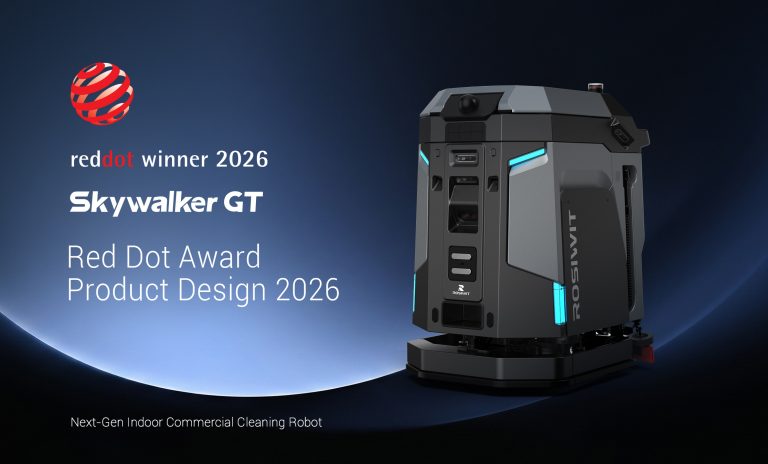
Rosiwit brings machines that match high-throughput needs with dependable service — the kind you rely on when uptime matters most. – dependable.