

Why comparison matters now
Comparative thinking beats buzzwords when you’re picking a breathing solution for nightly therapy. The COVID-19 supply shocks in 2020 underlined one simple point: resilience matters as much as immediate performance. That matters whether you’re choosing a straightforward cpap device with robust auto-adjusting pressure logic or a more complex setup. Clinicians and home users both want predictable apnea-hypopnea index (AHI) reductions and a mask seal that works with minimal fiddling. Comparing devices side-by-side exposes trade-offs—comfort, true ventilation support, data quality—and keeps decisions practical.
Performance: Auto-CPAP versus BiPAP
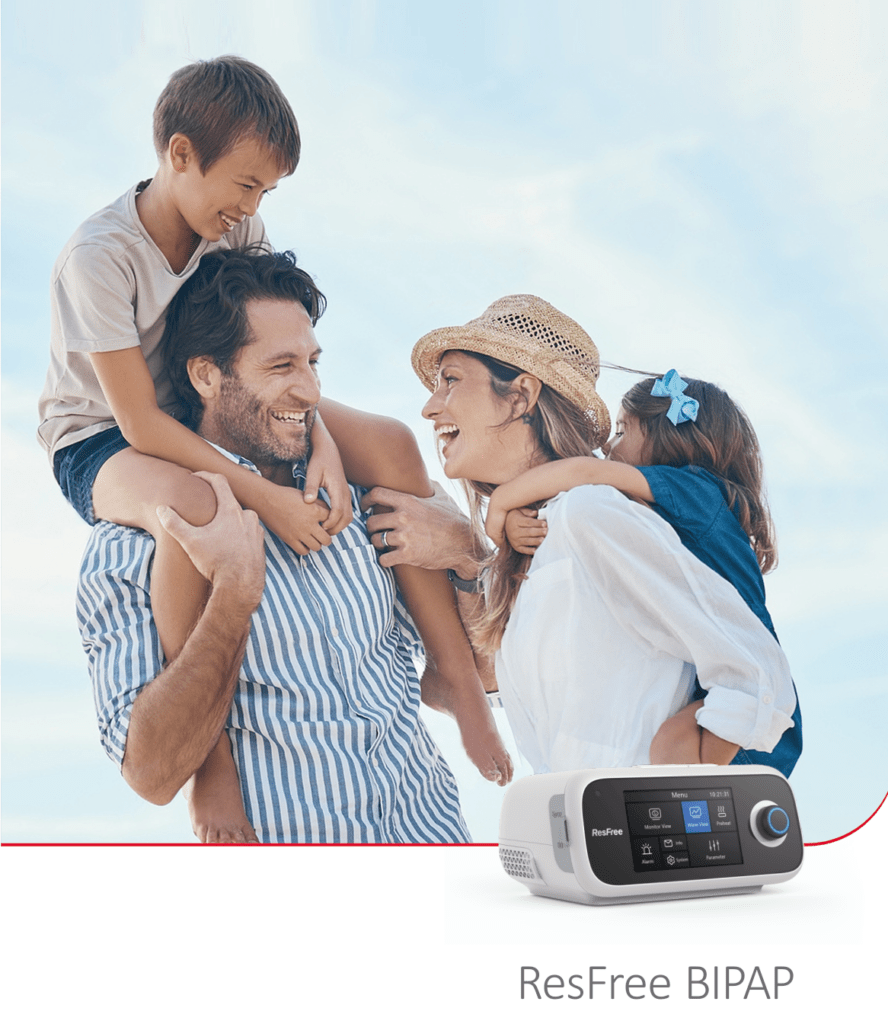
Auto-CPAP shines when the problem is positional or variable airway collapse. Its feedback loops adjust pressure through the night, reducing unnecessary high pressure while still targeting AHI. Bi-level systems—commonly called BiPAP or BPAP—deliver differing inhale and exhale pressures and can be indispensable for patients with concurrent hypoventilation or neuromuscular weakness. The comparison is less “better-or-worse” and more “fit-for-purpose.” For example, someone with isolated obstructive events may do better on an auto machine; someone with hypoventilation or COPD overlap may need the ventilatory assistance that resplus bipap style devices afford.
User experience and compliance
At the end of the day, therapy only works if people use it. Auto devices often win on comfort: pressure ramping, leak management, and smarter trigger sensitivity reduce arousals. But simplicity can be deceptive—data logging, remote monitoring, and firmware updates matter to clinicians handling long-term adherence programs. Mask selection and fit remain the single biggest determinant of nightly use. Small things—soft forehead support, flexible tubing, or a quieter motor—compound into dramatically different compliance rates over months.
Practical trade-offs and common mistakes
Avoid three common missteps: equating higher peak pressure with better therapy, assuming a single device handles every respiratory pattern, and skipping a short, supervised titration or remote check. A ventilator-grade BiPAP will help with hypoventilation but brings complexity: advanced trigger algorithms, backup rates, and sometimes the need for tighter clinical oversight. Meanwhile, an auto-CPAP optimized for sleep apnea will rarely supply effective ventilation for respiratory failure. — Don’t let a product spec sheet replace a short trial on the bedside table.
How installers and clinicians should think about systems
Treat selection like a small systems project. Confirm target outcomes (AHI reduction, daytime sleepiness score, daytime PaCO2 where relevant), map patient capabilities (manual dexterity, tolerances, home environment), and align monitoring expectations (local follow-up vs. cloud dashboards). Technical terms you’ll want to be comfortable with: positive airway pressure (PAP), mask leak, and trigger sensitivity. Each drives a different support need and shapes whether auto-adjusting algorithms or fixed bi-level settings make sense.
Three golden rules for choosing the right device
1) Match therapy to physiology: prioritize devices that can demonstrably lower AHI for obstructive patterns and select BiPAP-style ventilation when hypercapnia or hypoventilation are present. Look for documented clinical outcomes rather than headline specs.
2) Measure what you actually use: insist on objective adherence and efficacy reporting—hours used, residual AHI, leak metrics—so adjustments happen fast. The ability to remotely view these parameters short-circuits months of guesswork.
3) Favor pragmatic support: choose vendors that combine clear service pathways, spare parts, and firmware care. Local repair options and rapid replacement policies are valuable—especially after system-wide stresses like the 2020 shortages.
Decisions shaped by those three metrics point straight to practical partners who design for long-term use rather than one-off features. That practical value is exactly what you get with the products and support model at Byond. –