
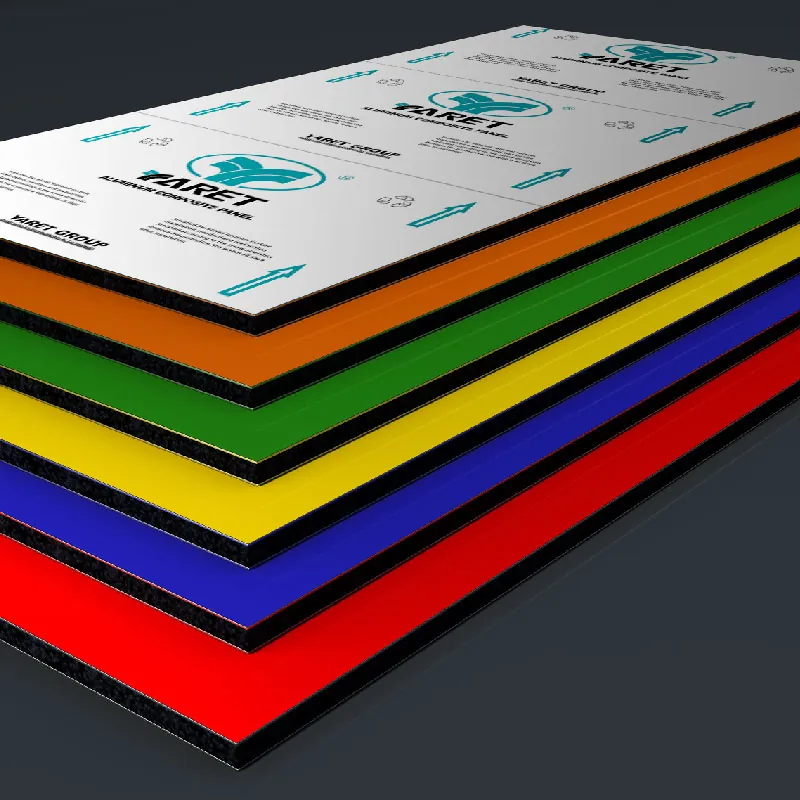
Why This Choice Matters Now
Ever notice how a facade can look perfect at handover, then feel tired by year three? Aluminum Composite Panel has become the first call for many teams who want that day‑one look to last. Picture a mixed‑use tower by the sea: wind, salt, sun, and schedules that never slow down. Industry data keeps pointing to the same truth: lifetime performance depends more on system fit than on the first install day (and that surprises people). So, the real story is not only “what to buy,” but “what fails quietly.” Are we comparing panels on price, while ignoring the maintenance rhythm, the sealant fatigue, and the thermal creep that push costs later?

I’m sharing this in a relaxed way because we learn better like this—step by step. We’ll look at how choices add up across years, not months. Then we’ll test the claim: when does a panel stop being a panel and start being a system? Let’s move to the layer most specs skip.
Hidden Friction in Traditional Cladding Solutions
When teams compare aluminum composite metal panel to plaster or solid sheet cladding, the first gap sits in movement control. Buildings breathe. Thermal expansion pulls at joints, corners, and subframes. Traditional fixes lean on heavy sealants and rigid trims. That loads stress into the weakest points, which shows up as hairline cracking or chalking. Look, it’s simpler than you think: a well‑designed ACM module, with consistent lamination and stable mineral core, spreads stress across the panel skin and the rainscreen cavity. This reduces joint fatigue and keeps peel strength stable over seasons.
Where do legacy fixes fall short?
Legacy systems often chase surface durability and forget system behavior. A thick coating can’t rescue a poor detail at the parapet. In contrast, PVDF coating on a balanced panel stack helps UV resistance, yes, but the win is the system match—panel, bracket, and cavity working together. Fire rating upgrades add safety, but if the subframe allows water traps, corrosion starts a new problem. And so it goes. The deeper pain points are slow: sealant rework, joint creep, and inconsistent tolerances that stretch install time. Technical note: when tolerances and wind load paths align, crews install faster and defects drop. That’s the cost most teams miss at bid time.
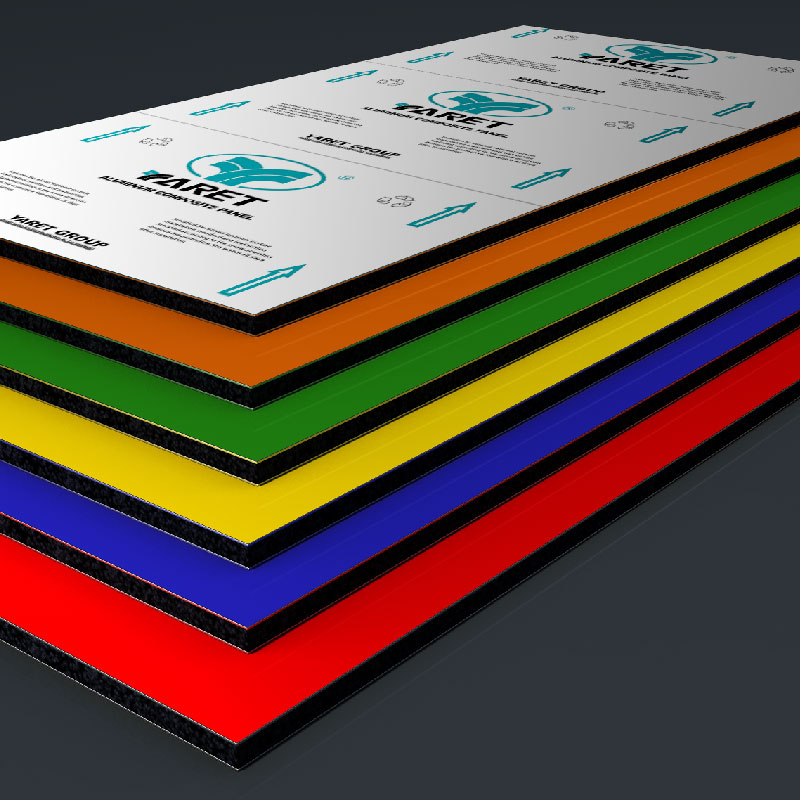
New Principles That Change the Cladding Equation
Here’s the forward look. The next gains come from system engineering, not single features. New lamination lines are improving core stability and panel flatness, which keeps tensile strength consistent at corners. Ventilated cavities now tune airflow to manage moisture and pressure—small detail, big payoff. When you pair that with calibrated brackets and clean tolerances, the result is a facade that holds lines, sheds water, and stays color‑true. Even better, supply chains now trace coil stock and coating lots, so QA is not a guess. Include aluminum composite panel acp in that stack, and you get predictable behavior under wind load and thermal swing—funny how that works, right?
What’s Next
We can compare without getting lost in buzzwords. Part 2 showed the quiet costs of rigid fixes and heavy sealants. This next step focuses on measurable control: consistent panel geometry, verified fire rating, and details that drain. Semi‑formal take: choose the system that reduces touch points over time. The better rainscreen keeps water moving, the right mineral core manages heat, and the PVDF coating locks color against UV. Together, they protect joints, reduce call‑backs, and stabilize labor. That’s the outcome you feel in year five, not month five. And yes, some days the smartest choice is the one that removes steps — not adds sparkle.
Advisory close, simple and clear. Three metrics to check before you sign: installation tolerance window (panel to subframe fit, including bracket adjustability); verified performance data (peel strength, wind load, and fire rating reports, project‑scale not just lab); and lifecycle logistics (finish warranty terms, panel repairability, and lead‑time stability across phases). Keep those tight, and the facade behaves like a team—every part supports the next. For deeper specs and system examples, see yaret.