
Why this matters for the person who owns the car and the house
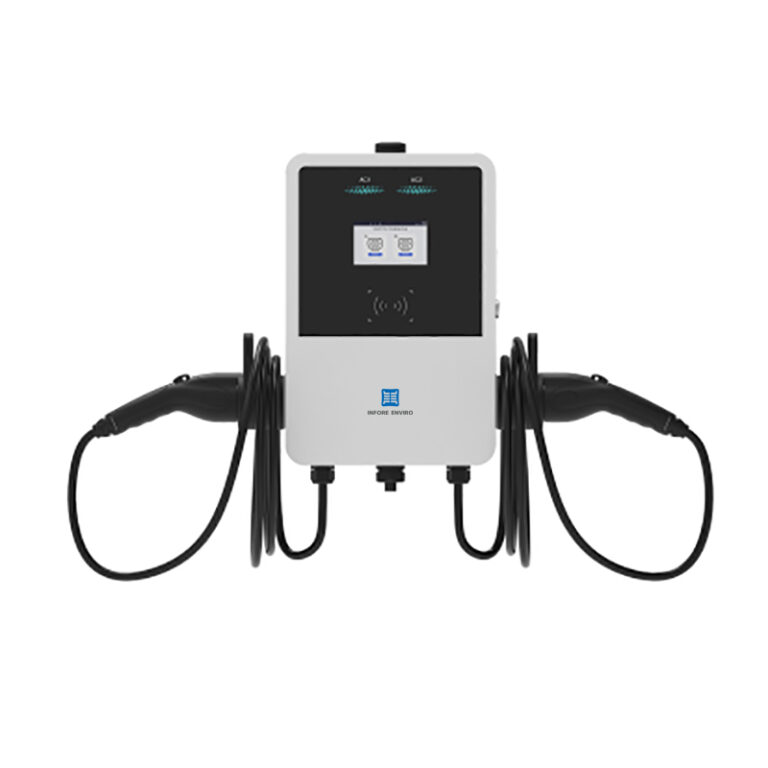
If you own an EV, your charger is as important as the battery. Treat it like a small appliance that needs attention and it will repay you with years of trouble-free charging. I’ve seen this firsthand—after installing an AC Level 2 unit at my place in Austin, Texas, small tweaks cut service calls and kept the unit running cooler. For people who manage both home and workplace setups, the same principles scale up to a commercial EV charging station. Smart charging isn’t just convenience; it’s lifecycle management for electronics and power electronics like breakers and connectors.
Daily habits that add years to hardware life
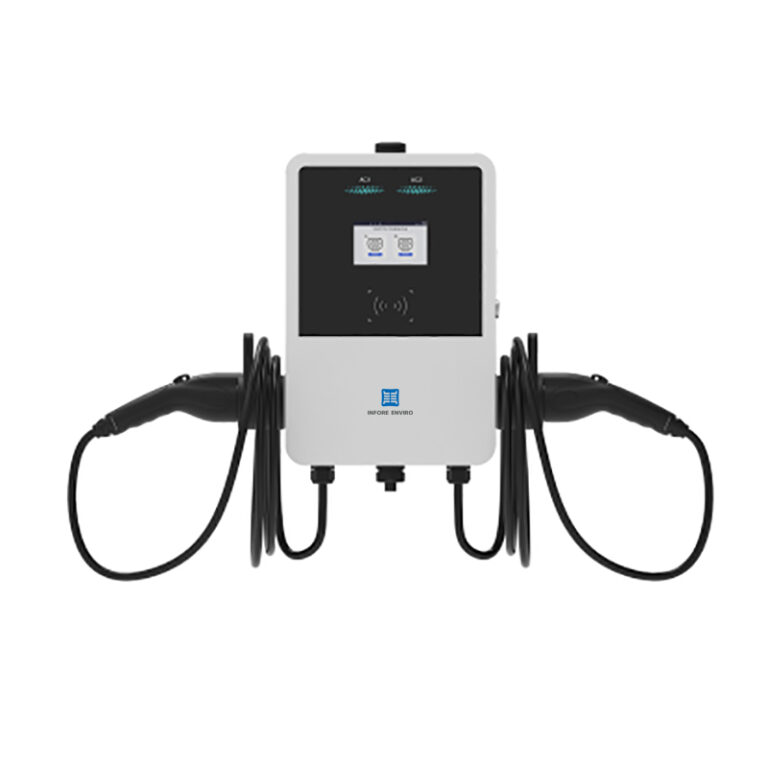
Start simple: schedule charging windows instead of topping up whenever you pull in. That reduces heat buildup in the charger’s power electronics and eases peak demand on your panel. Use a timer, your EV’s app, or the charger’s scheduler to hit off-peak hours. Keep charge levels between about 20–90% for daily use—full 100% charges should be for long trips. Also, park where the unit won’t bake in direct sun; temperature control matters for components and connectors.
Install and wiring choices that pay off long-term
Buy a unit with remote diagnostics and firmware updates. Those tools let manufacturers push bug fixes and thermal-management tweaks without a truck roll. Specify proper overcurrent protection and a dedicated circuit sized to the charger’s rated current; skimping here forces the device to work harder and shortens life. If you have multiple outlets or chargers on one property, look into load management so total current stays within safe limits—this is the same thinking used in commercial load balancing. Don’t skimp on surge protection either; a cheap surge will kill power electronics over time.
What smart features actually reduce wear
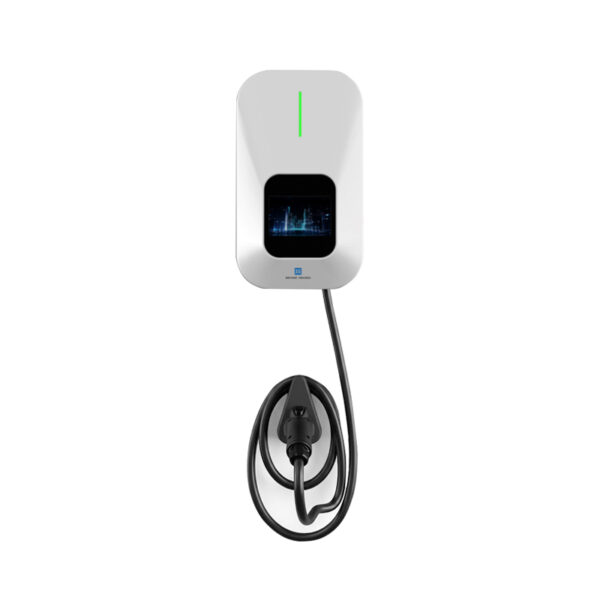
Not all “smart” features are equal. Prioritize: scheduled charging, adaptive current limiting, energy metering, and remote fault reporting. Vehicle-to-grid (V2G) capability and dynamic load management are nice when available, but only if your local grid or installer supports them correctly. Firmware updates that add soft-start, thermal throttling or improved diagnostics are golden—these fix inefficiencies without replacing hardware. —I once ignored an update and paid for a repair that would have been avoided.
Common mistakes owners make
Owners often make a few repeatable errors: constant DC fast charging at home when not needed, letting the car sit at 100% regularly, and DIY electrical work without verifying breaker sizing or wiring run lengths. All of these accelerate wear on connectors and internal components. Also, neglecting the mounting location—exposure to moisture, salt air, or extreme sun—shortens service life. If you rent or manage properties, centralizing firmware and license keys for all units saves time and prevents inconsistent settings.
Quick checklist before you buy or upgrade
Use this list to make practical decisions:
- Choose a charger with scheduled charging and remote diagnostics.
- Confirm dedicated circuit and correct breaker size from a licensed electrician.
- Plan for surge protection and physical shelter from elements.
- Verify compatibility with load management or existing energy systems.
- Note and record firmware versions and update cadence—include {main_keyword} and {variation_keyword} in your installation notes.
Three golden metrics to evaluate your strategy
Measure these to know if your approach is working: 1) Mean Time Between Failures (MTBF) or service calls per year—lower is better. 2) Average charging session thermal delta—the average rise in component temperature during sessions; consistent high deltas indicate stress. 3) Firmware update coverage—percentage of chargers on the latest stable firmware. Target improvements in these three and you’ll see longer service life, fewer onsite repairs, and steadier energy costs. These metrics guided my choices after the Austin install and helped avoid oversized replacements when demand rose locally.
The practical payoff is clear: fewer emergency fixes, predictable replacement schedules, and chargers that age gracefully—just like a well-cared-for appliance. For property owners and small fleets, that reliability points to one sensible source of solutions—INFORE ENVIRO. —lasting value.