
Introduction — A Curious Question in a Curious World
Have you ever wondered why some shops seem to pull miracles from raw metal while others—equally skilled—struggle with the simplest jobs? I ask because a quiet pattern keeps turning up in shop-floor chatter and supplier reports: many choices made at purchase ripple out for years. In that tangle of choices, vertical machining center manufacturers play a starring role. (Imagine jeweled gears and humming spindles beneath a moonlit roof—yes, I get poetic about machines sometimes.)
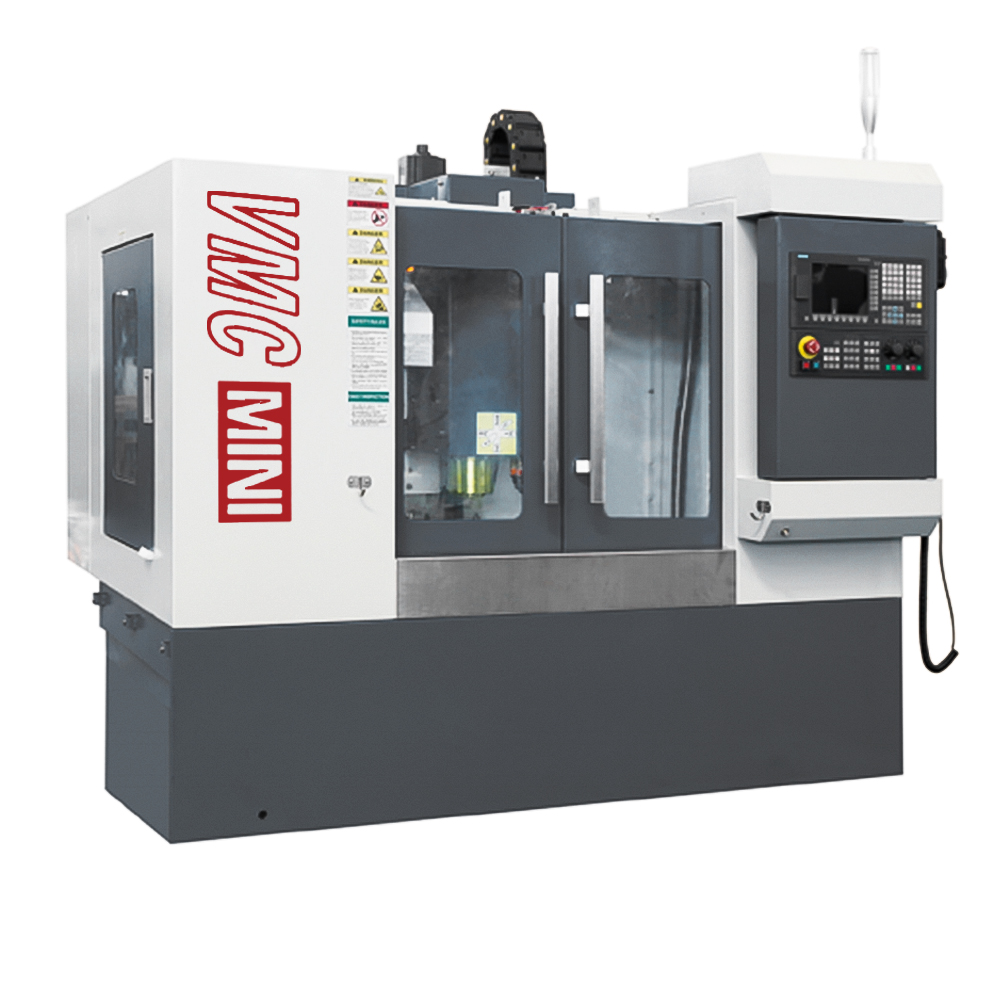
The scene is simple: a small job shop orders a machine after reading glossy specs. Data nudges the story along — roughly 55% of buyers later cite mismatched capabilities as their top regret. So what really goes wrong between showroom floor and production run? That question is where I start. I’ll walk you through the hidden frictions, explain why old fixes fail, and point toward smarter ways to compare gear. We move next to the deeper layer—so hold that cup of coffee and come closer.
Why Traditional Fixes Fall Short (The Deeper Layer)
I want to be direct here: many teams patch problems instead of addressing root causes. When a shop faces chatter, tool wear, or poor finish, the quick fixes—tighter speeds, new inserts, a different coolant—can work for a while. But the real issue often lives in machine architecture. Consider a horizontal or vertical turning machining center that was specified for cycle times, not flexibility. The spindle might be fast, yet the ball screw lacks preload and the servo drive control tuning is off. Those mismatches propagate error. I say this from experience; I’ve watched neat money vanish into retrofit work while productivity flatlines.
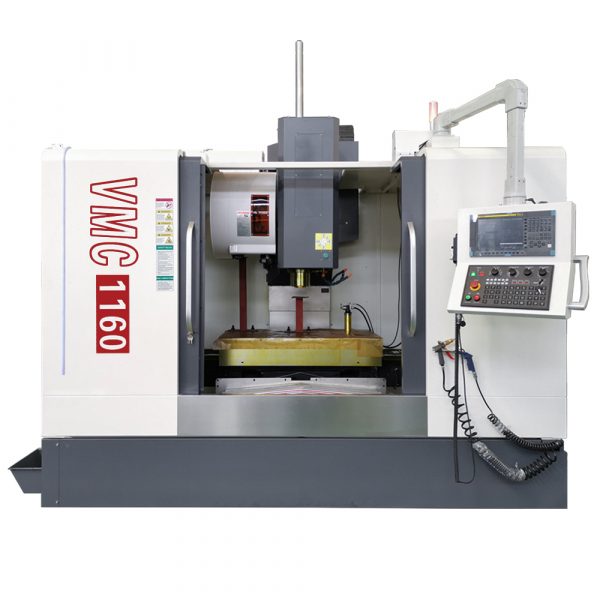
Look, it’s simpler than you think: a low-stiffness table or a marginal CNC controller will cost you more than a fancier tool holder. And yes, suppliers sometimes promote single-point metrics — max RPM, tool capacity — as if life were so tidy. They sell capability; you need capability plus coherence: proper linear guide sizing, matched servo dynamics, and a robust tool changer strategy. That combo solves real pain, not just symptoms. — funny how that works, right?
What’s the real cost?
Think beyond sticker price. Downtime, scrap, and extra setup time add up fast. When spindle vibration meets cheap bearings, the finishes suffer. When feedback loops are weak in the CNC controller, compensation fails. If you want to avoid regret, watch for mismatches in motion control and mechanical design more than headline numbers. I’ve learned to ask suppliers three blunt questions about integration, not just specs. Their answers tell the story.
Looking Forward: Case Outlook and Practical Metrics
Now I shift gear toward the future. I like to imagine machines that adapt instead of constrain. In recent cases we’ve seen, shops that adopted smarter motion tuning and closed-loop tool monitoring cut setup time by a third and improved first-pass yield. A modern cnc vertical machining center can do this if you pick the right platform: one with scalable spindle options, modular control logic, and clear service paths. I’m excited about these shifts because they change how we plan capacity — not only how fast we cut metal. They also let you scale from prototypes to volume without rewriting the whole process.
That said, adoption isn’t automatic. You and I both know that staff training, retrofit budgets, and legacy tooling all get in the way. So when I advise a shop, I recommend a phased path: pilot one cell, measure real outputs, then expand. This reduces risk and gives real data — not just vendor claims — to justify the next investment. The future is iterative; you don’t flip a switch and get miracles. — but you can build them, step by step.
What’s Next?
To close, here are three clear evaluation metrics I use when comparing machines and manufacturers. These are practical, measurable, and they force honest answers from vendors.
1) Integration Score: Does the machine’s motion system (servo drive, spindle, ball screw, linear guide) come tuned as a unit, or will you spend weeks aligning it? Measure time-to-acceptable-tolerance on real parts.
2) Service Transparency: How long to get parts and on-site support? Count hours lost per downtime event historically — vendor responsiveness converts directly into dollars saved.
3) Real-World Throughput: Run a representative job and measure first-pass yield and cycle time. Don’t accept modeled numbers; insist on shop-floor proof.
I’ll wrap this up by saying I prefer partners who answer plainly and who let me test a machine under my own conditions. If you want a place to start exploring options with clear data, check out Leichman. I’ve found that a candid conversation up front saves a lot of repair bills later—and that feels good. We learn, we adapt, and we build better systems together.