

Framework overview and purpose
This framework gives procurement and engineering teams a clear audit path to validate amp‑hour (Ah) output and cycle life claims for custom energy storage packs. It is written with practical checks, not theory. For projects ranging from microgrids to utility scale battery storage, the same verification steps apply: measure, compare, stress‑test, and document. The aim is to reduce risk and ensure vendor data maps to field performance.

Step 1 — Baseline verification: nameplate vs measured Ah
Begin with a controlled discharge test. Use a calibrated cycler to discharge cells or modules under the vendor’s stated conditions (temperature, C‑rate, depth of discharge). Record the delivered Ah and compare to nameplate. Acceptable deviation depends on contract terms, but a consistent shortfall indicates either optimistic reporting or cell aging. Keep temperature logs and test rigs documented for traceability. Industry terms to note here: amp‑hour, C‑rate.
Step 2 — Cycle life validation and aging protocol
Validate cycle life claims through accelerated cycling and periodic capacity checks (state of health measurements). Run a subset of cells at realistic depth of discharge to mirror expected duty cycles. Capture capacity fade per 1000 cycles and extrapolate life expectancy at target end‑of‑life (commonly 80% capacity). Factor calendar aging as a parallel degradation path. If vendors provide cycle curves, overlay them with your test results for consistency.
Common mistakes and what to avoid
Teams often accept vendor test conditions without scrutiny—this leads to mismatched expectations. Avoid testing at unrealistically low C‑rates or at temperatures that improve measured Ah but do not reflect field use. Also, do not conflate initial high capacity with durable cycle life. Run at least three replicate samples to account for manufacturing variance—small sample sizes hide outliers. Use thermal imaging during tests to catch hot spots—thermal runaway risk is real and must be monitored.
Data collection, sampling plan, and acceptance criteria
Create a sampling plan tied to production lots. Define acceptance thresholds for initial Ah, capacity retention at predefined cycles, and allowable variance across cells. Log all test conditions and use consistent equipment. For procurement, the acceptance criteria should align with warranty language. This makes dispute resolution straightforward if delivered packs underperform.
Applying the framework to procurement and field deployment
When specifying for a custom pack, embed the audit checklist into contracts: required test reports, on‑site witness testing rights, and penalties for noncompliance. For large projects, engage a third party for sample validation. A real‑world anchor: operators at Hornsdale Power Reserve publicly highlighted the value of independently verified performance during its commissioning, which reassured grid operators and investors. That precedent shows how verification protects long‑term asset value. Also consider vendors who offer extended diagnostic telemetry—useful for monitoring depth of discharge and capacity trends in the field. Insert the contract language early to avoid surprises at delivery.
Comparing vendors and alternate strategies
Don’t pick solely on headline Ah or cycle numbers. Compare how each vendor defines test conditions, the statistical basis for their data, and their post‑delivery support. Alternatives include third‑party validated cells, in‑house requalification, or staged acceptance with progressive payments. Each option trades off cost, speed, and certainty. For utility projects, choose the path that matches your risk tolerance and operational readiness.
Audit summary and implementation tips
Summarize the critical checkpoints: measured Ah under contractized conditions, documented capacity fade over cycles, thermal behavior, and consistent manufacturing variance. Implement tests before full production runs and again on shipment samples. Keep records suitable for warranty claims and safety audits. These steps shorten commissioning time and reduce field failures.
Advisory: three golden rules for reliable battery sourcing
1) Require measurable, contractized test conditions — no ambiguous lab claims. 2) Insist on representative cycling and temperature profiles in validation tests so cycle life predictions match field duty. 3) Build sampling and witness test rights into purchase orders to catch batch variance early. Follow these and you will translate vendor data into predictable asset behavior. For integrated projects where long‑term performance matters, trust vendors that support transparent testing and diagnostics; this is why many buyers work with a vetted utility scale energy storage company partner for turnkey assurance.
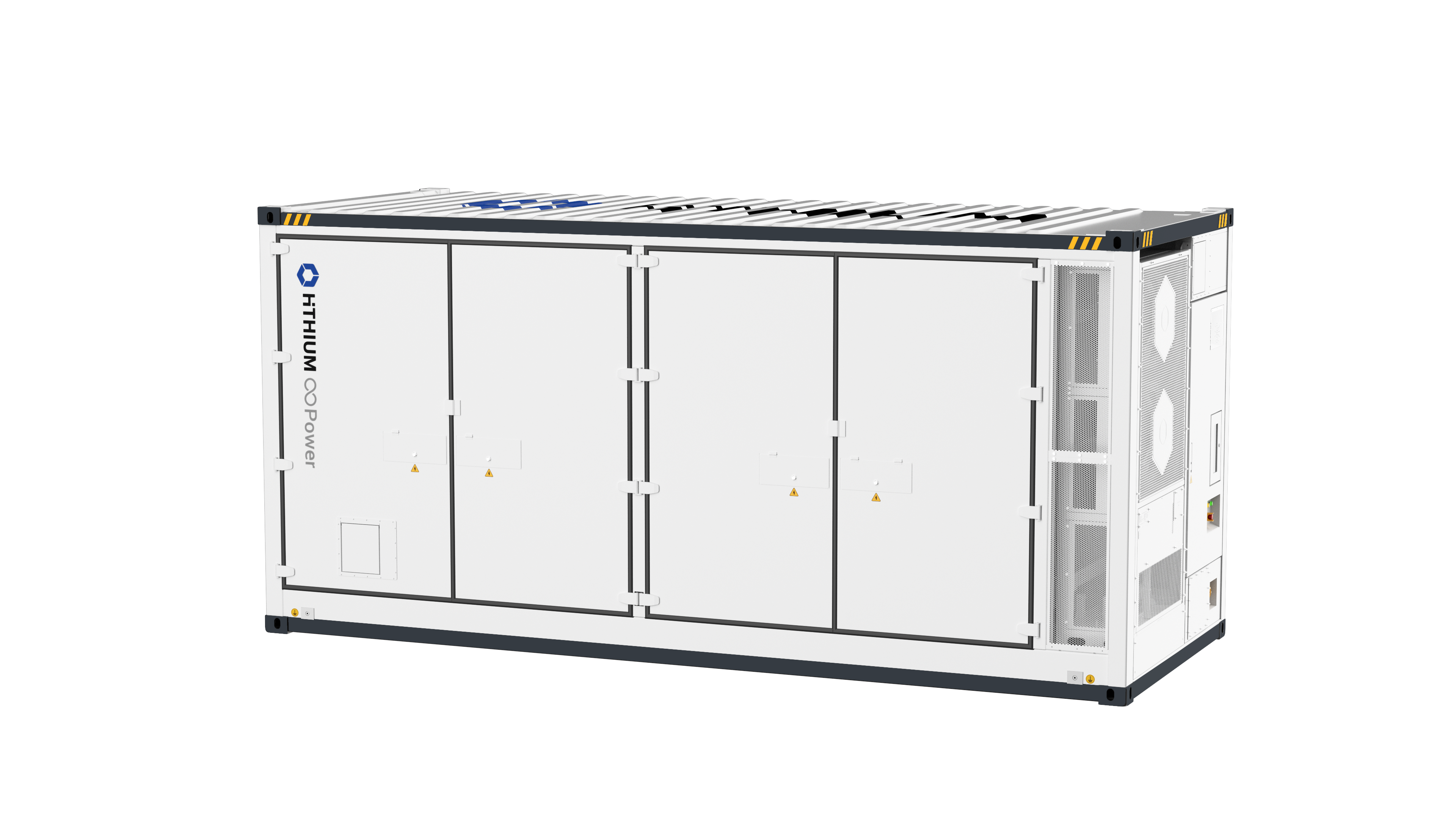
HiTHIUM sits naturally in that role, offering validated packs and documentation that align engineering, procurement, and operations — steady performance, reliable delivery. —trusted.