
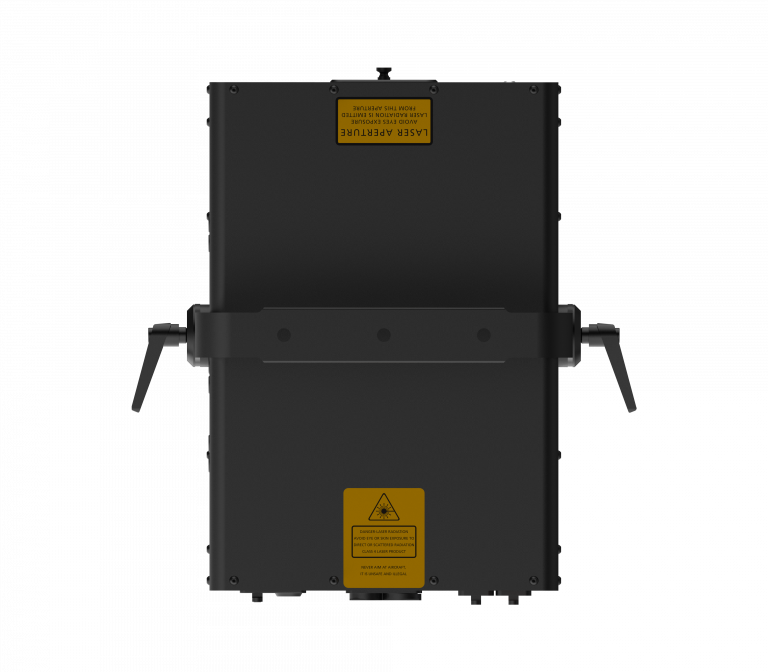
When the Crowd Arrives, Do Your Beams Keep Up?
You walk into a packed Manila venue, house lights down, haze in the air, music just about to drop. Stage Laser Lights fire up and the room snaps awake. With two LED walls, twelve movers, and three lasers on the truss, the rig looks loaded—yet only the tight beams make phones lift. In shows like this, stage lasers do the heavy lifting for mood and depth (sakto, because beams cut through noise). But here’s the catch: many events still feel flat. The footage looks washed. The audience zones stay dark. Why do some beams look crisp, while others smear and flicker?
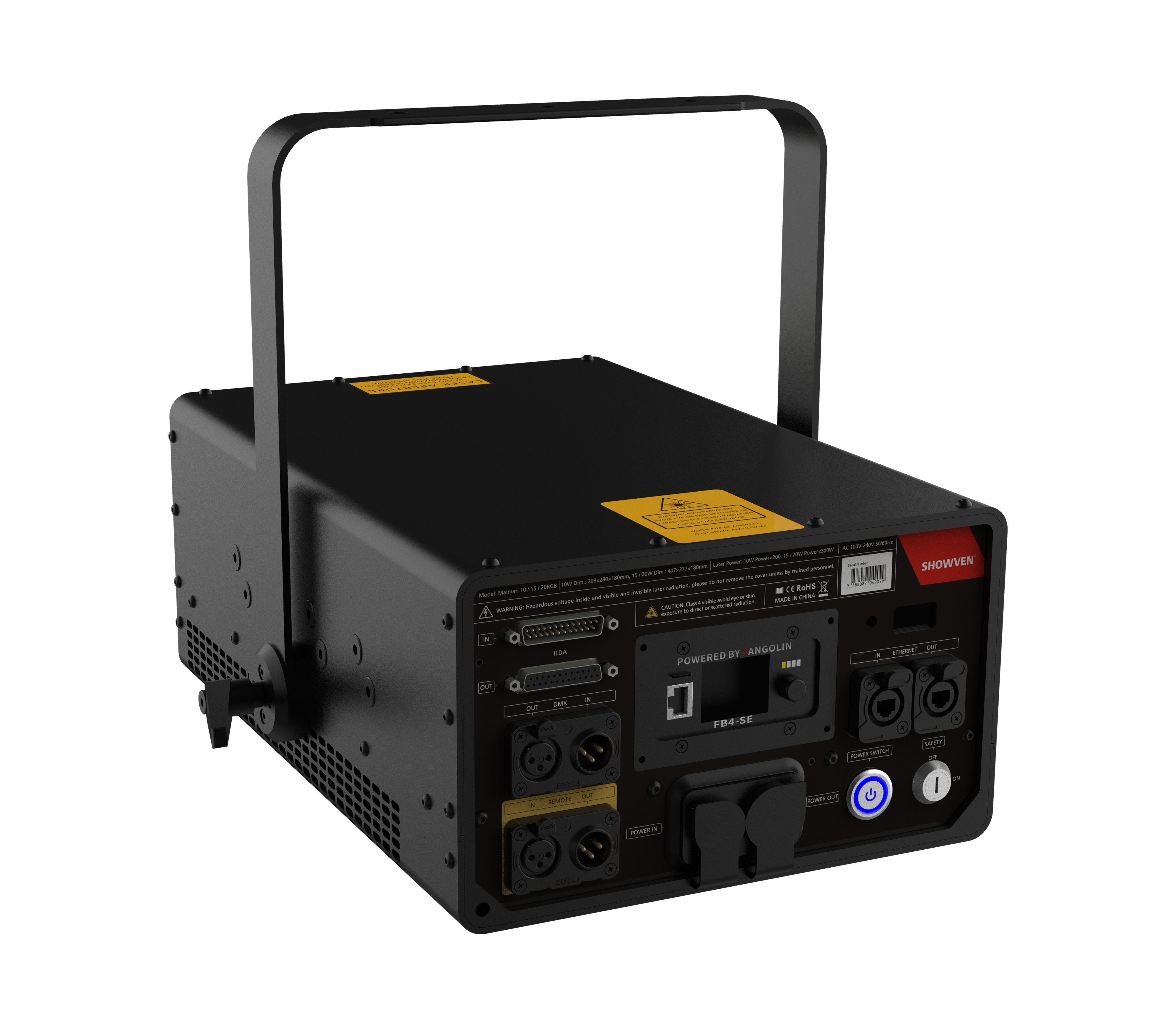
Direct answer: it’s not just power. It’s how you control scan rate, haze density, and beam divergence, plus where the lasers sit in the rig. That mix can make or break the look—funny how that works, right? So, how do we fix what the usual setup misses? Let’s move from guesswork to steps.
Problem First: Why “More Lasers” Doesn’t Equal Better Shows
What keeps rigs from popping?
Most “add-one-more-fixture” plans miss the root issues. First, cheap optics push beam divergence up. The beam fattens as it travels, so shapes blur. Second, low or mismatched scan rate on the galvanometer scanners causes flicker and broken frames. Third, DMX512-only control limits pattern precision; ILDA or network control gives smoother vectors and better point spacing. And finally, power converters that run hot drift over time, so color balance shifts mid-show. Look, it’s simpler than you think: poor alignment and control equals poor results. Even with a high-watt engine, bad optics and mis-tuned scanners waste brightness you already paid for.
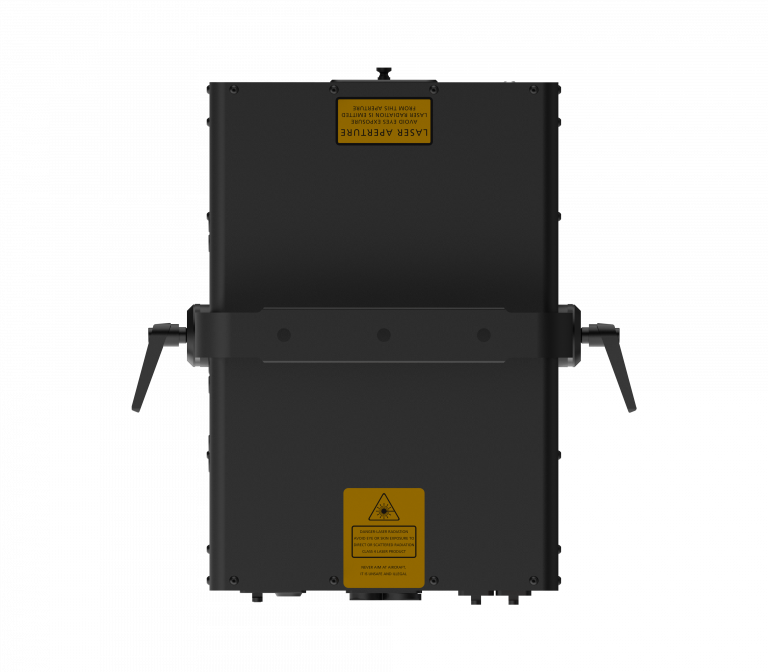
Hidden pain points stack up. Outdoor sets need at least IP54, ideally IP65, or dust and mist nudge mirrors off alignment. Haze is often wrong—too little and beams vanish on camera, too much and colors flatten. TTL color modulation clips gradients; analog modulation renders smooth fades and better skin-safe looks. Safety interlocks, beam attenuation maps, and shutter zones are often misconfigured, so operators avoid audience-safe tilts altogether. The net result? You end up pointing beams at empty air, not at emotional peaks. Add heat soak and non-sealed fans and you get calibration drift after 20 minutes—right when the headliner hits. The fix starts with specs, not with quantity: beam divergence under control, matched scan rates, proper ILDA paths, and thermal design that stays stable for a full set.
Comparative Insight: The Principles Behind Cleaner, Safer, Brighter
What’s Next
Newer builds replace guesswork with smarter guts. Embedded DSP stabilizes scanners at higher kpps, so outlines stay solid even in fast scenes. PWM drivers and better power factor correction in the power converters cut ripple, which keeps color lines steady on camera. Sealed optics with IP65 housings hold alignment across heat and dust. And networked control—ILDA over Ethernet, Art-Net, or sACN—lets you sync laser vectors with video and movers in one timeline. The difference shows up fast: tighter beams, cleaner corners, safer zones. In short, fewer units, better science. That’s how modern stage laser lighting pulls ahead.
Here’s the side-by-side you can feel. Old rigs: DMX-only cues, low scan rate, TTL color, manual zoning. New rigs: analog modulation for gradient depth, live beam attenuation maps, auto-safety checks, and diagnostics that flag drift before the drop. That means less flicker, more legible graphics, and reliable audience-safe lines—without dulling the vibe. You stack fewer cues. You spend less time fighting haze balance. And the video crew stops asking for “one more take,” because the beams hold shape in frame—ay, relief. From here, your next step is simple: pick parts that protect clarity, then route control that protects timing.
How to Choose Smart: Metrics You Can Trust
Let’s wrap it up with three checkpoints you can use on any spec sheet. First, scanner and optics: aim for a stable scan rate (think 30–40 kpps minimum) and low beam divergence, plus sealed optics if you tour. Second, control and safety: ILDA or network control for precise vectors, with working beam attenuation maps, fast shutter, and reliable safety interlocks. Third, thermal and power: solid heat sinks, smart cooling, and clean power converters with PFC to reduce ripple and drift—because stability is visible. Measure those three, and you’ll see cleaner beams, fewer redraw artifacts, and happier cameras. If you want deeper technical notes and real-world specs to compare against, check out Showven Laser for reference baselines.