
The pressing problem on the shop floor
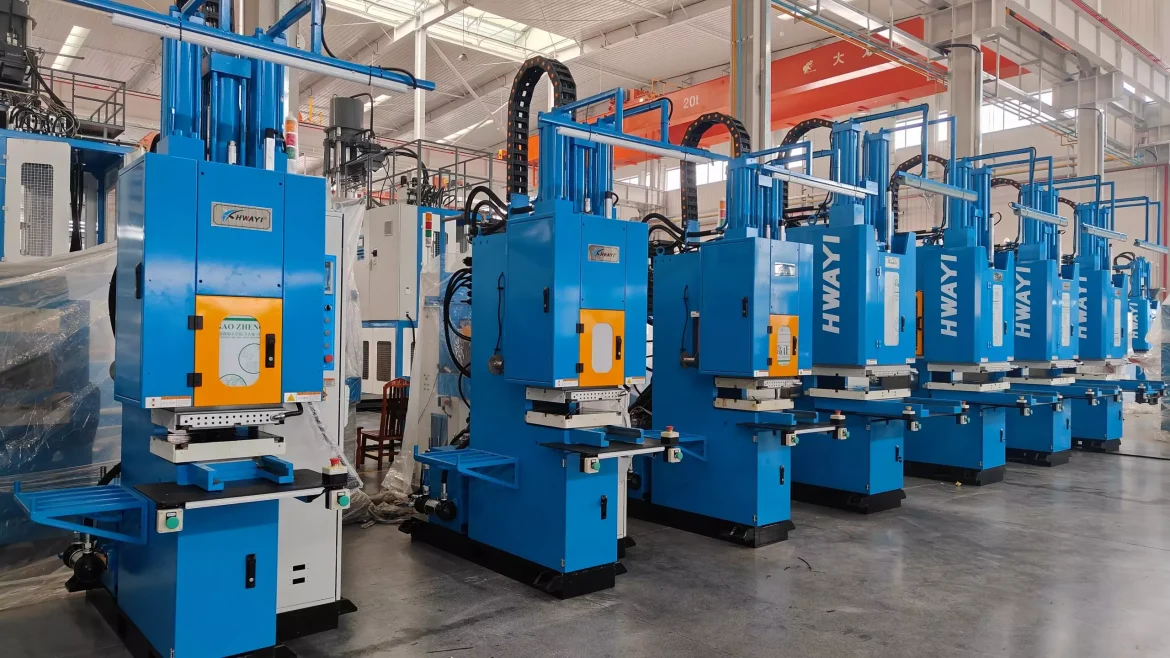
Idle-phase cross-linking in liquid silicone rubber finishes more than a scrap pile — it chews uptime and sours batch consistency. Folks running a horizontal LSR injection setup see it as sudden gel at the nozzle, blocked valves, or cured flash that ruins a run. The fix isn’t magic. It’s deliberate control: tighter dwell time, sensible purge routines, and sensible cure profile oversight. For teams looking to retrofit or spec new gear, a reliable lsr molding machine with firm sequencing controls is where the savings begin.
Why cross-linking creeps in during idle phases
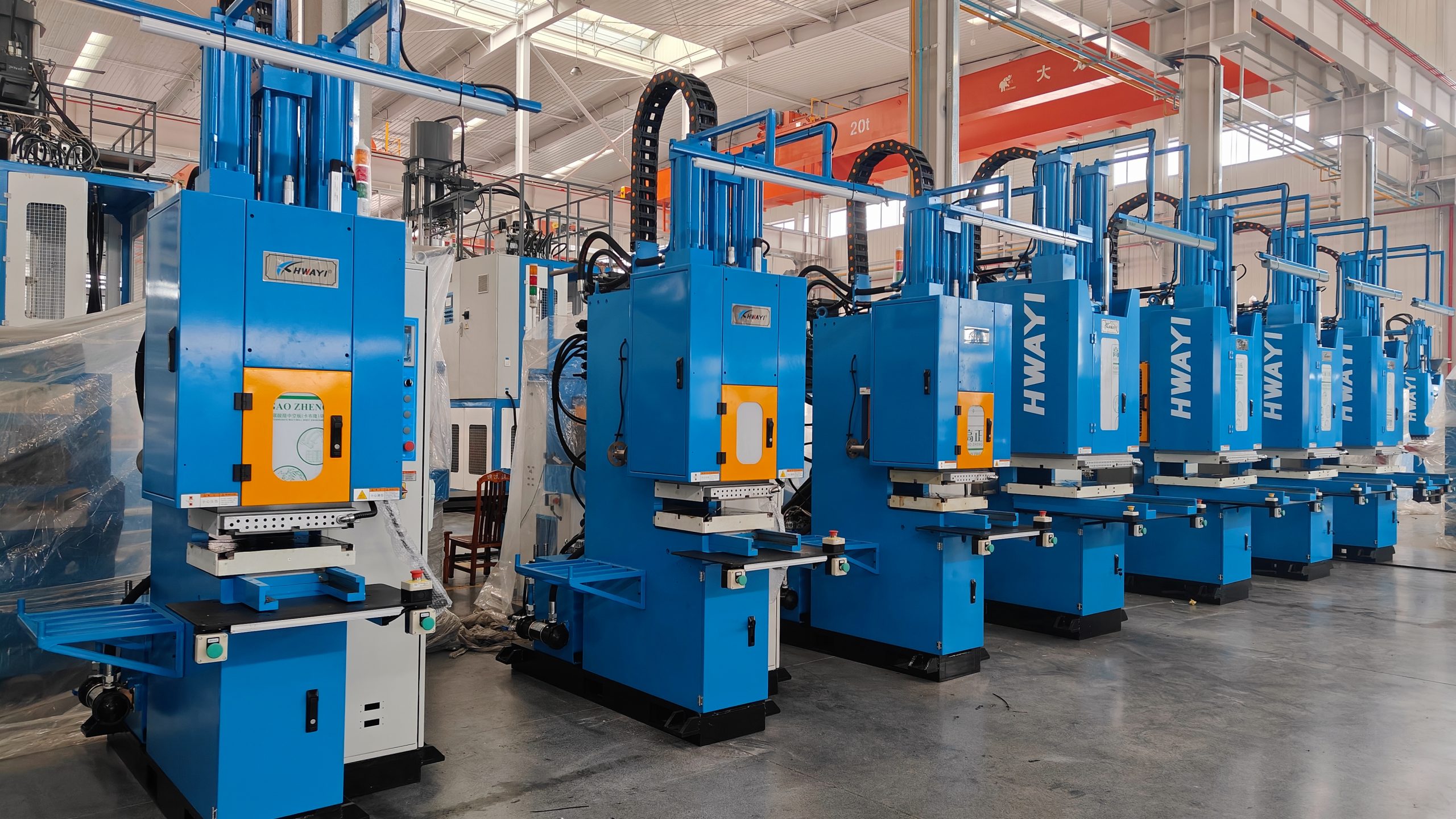
Heat and time do the dirty work. Residual heat in the injection unit or mold, combined with a long pause between shots, lets the platinum catalyst nudge silicone chains into bonding — that’s cross-linking. Add variability in shot size or a warm mold temperature and the problem accelerates. Small shops often trust manual purges or operator feel — which leads to inconsistent cure pockets. A valve gate that sticks from varnish, or a hot runner left above spec, will make matters worse — and the mess shows up downstream in post‑cure rejects.
Control sequences that actually curb idle cures
Start with deterministic sequencing rather than guesswork. A tight sequence looks like this:
– Active cool-down windows after a predetermined number of shots; set mold temperature bands and enforce them via PLC logic.
– Short, automated purge cycles after any production pause over the dwell threshold; keep purge volume tuned to the injection unit and shot size.
– Valved gate stroking and scheduled bleed cycles to relieve trapped material at the nozzle tip.
– Sensor-backed dwell monitoring (thermocouples at the nozzle and mold inserts) that prompts maintenance or a purge rather than letting an operator decide.
Modern machines from reputable lsr injection molding machine manufacturers can sequence these steps in the PLC without slowing cycle times — and they log events for quality audits. That matters more since 2020‑21 supply chain shocks pushed many buyers to tighten QA and traceability. Reliable logs save time when a customer asks for batch history.
Common mistakes and easier fixes
Heresies on the floor are simple. Folks run one purge setting for every resin and hope for the best. Others rely on manual checks for valve gate health. Both choices cost parts. Fix these with modest discipline:
– Match purge profile to the exact shot size and viscosity rather than using a standard factory purge.
– Add periodic valve gate jogs to clear buildup, and replace seals on a schedule, not after failure.
– Program mold-temperature hysteresis instead of single-point setpoints to avoid overshoot and thermal lag.
These aren’t exotic moves. They’re housekeeping with a wee bit of engineering — and they pay off in fewer soft cures and cleaner parts at pack‑out.

On the ground: a quick anchor to reality
After the supply disruptions of 2020‑21, a small contract moulder in the north of Scotland tightened sequencing and saw scrap drop inside a quarter. They logged temperature data, enforced short automated purges between long pauses, and swapped a manual valve for a servo valve gate with timed bleeds. Production steadied. The takeaway: clear sequencing plus honest data cuts the guesswork and expedites root cause hunts during ISO audits.
Three golden rules for picking the right sequencing and kit
1) Measure what matters — uptime, nozzle temperature variance, and purge frequency. Those metrics show if your control sequence is doing its job.
2) Prioritise programmability — choose machines that allow nested sequences (cool-down + purge + bleed) without operator overrides. That keeps runs consistent and auditable.
3) Insist on sensor redundancy for critical spots: a single thermocouple is fine for a temp read, but a second channel lets you spot drift before it costs parts.
Those three rules steer you clear of the worst mistakes and make HWAYI’s gear a sensible anchor for steady runs. HWAYI.