
Introduction: The City, the Ride, and the Switch-Up
Here’s the move: city riding gets easy when you stop flexing and start tuning your flow. You roll a vintage cruiser across the bridge at dawn, the skyline popping, cabs stacking up, sirens in the cut. City stats often put rush-hour speed under 10 mph; most of your time is stop-go—hands buzzing, clutch hand tight. So why do we keep chasing top-end numbers that never show up in traffic? It’s the wrong target, fam, and it shows. The real game is balance—gearing, posture, brake feel, throttle response—so the bike speaks your language, not the other way around. Picture a setup that matches your street pace, not a dyno sheet (big difference). Now ask yourself: do you want comfort plus control, or the same old heat and hype? Because that choice changes everything you feel in the next five blocks. One more thing—your neck and wrists will thank you, deadass. Let’s pivot from hype to function and see how the right build fixes the grind—all day, every borough.

Beyond the Chrome: Hidden Pain Points with Retro Bobbers
Why do riders chase flash but miss fit?
A legit retro bobber motorcycle looks clean, sure—but the real value is how it solves street pain the spec sheets ignore. Look, it’s simpler than you think. Traditional fixes chase horsepower, bolt-on noise, or tall gearing that only shines on highways. In the city, you need a fat low-end torque curve, a friendly rake and trail for nimble turns, and a final drive ratio that doesn’t stall your vibe at every light. Your wrists? They hate forward weight bias. Your back? It hates too-high pegs. The old “sport it up” route makes stop-go harsher—funny how that works, right? A bobber stance with mid-controls, slight rise bars, and sane trail keeps the chassis settled. Less dive, quicker set, more trust in the front. That’s not style talk; that’s control.
Now go deeper. Clutch feel and throttle mapping rule the block. An easy pull and a smooth ECU map tame the clutch feathering that cooks forearms. A mild compression ratio keeps heat and knock down when you’re crawling. Add proper suspension preload and rebound—no pogo, no wallow—and the bike stops arguing with potholes. Even chain pitch and sprocket ratio matter when you want clean launches at 3–5k rpm instead of jerky lurches. You want a posture that stacks your spine, not folds it. You want brakes that bite early but don’t grab. That’s why a dialed bobber is more than retro. It’s a street tool that respects the grind—block by block, light by light.
Next Lane: A Forward Look, Side-by-Side with the Classics
What’s Next
Take it from a case on real streets. Maya in Queens swapped a tall, rev-happy standard for a cleaned-up bobber with mid-controls and tighter trail. She didn’t gain wild top speed—she didn’t need it. What she got: sharper low-speed steering, calmer wrists, and smoother roll-ons from corner store to ramp. If you crave heritage lines but want city-ready manners, a modern take on a classic bobber motorcycle threads the needle. The compare is simple: a high-strung bike peaks on empty roads; a bobber tuned for torque and posture shines in stop-go life. Different goals, different wins. And the future? Expect smarter fueling, modular seats, and lighter frames that keep the soul but drop the strain. Wait till you try it—you’ll see.
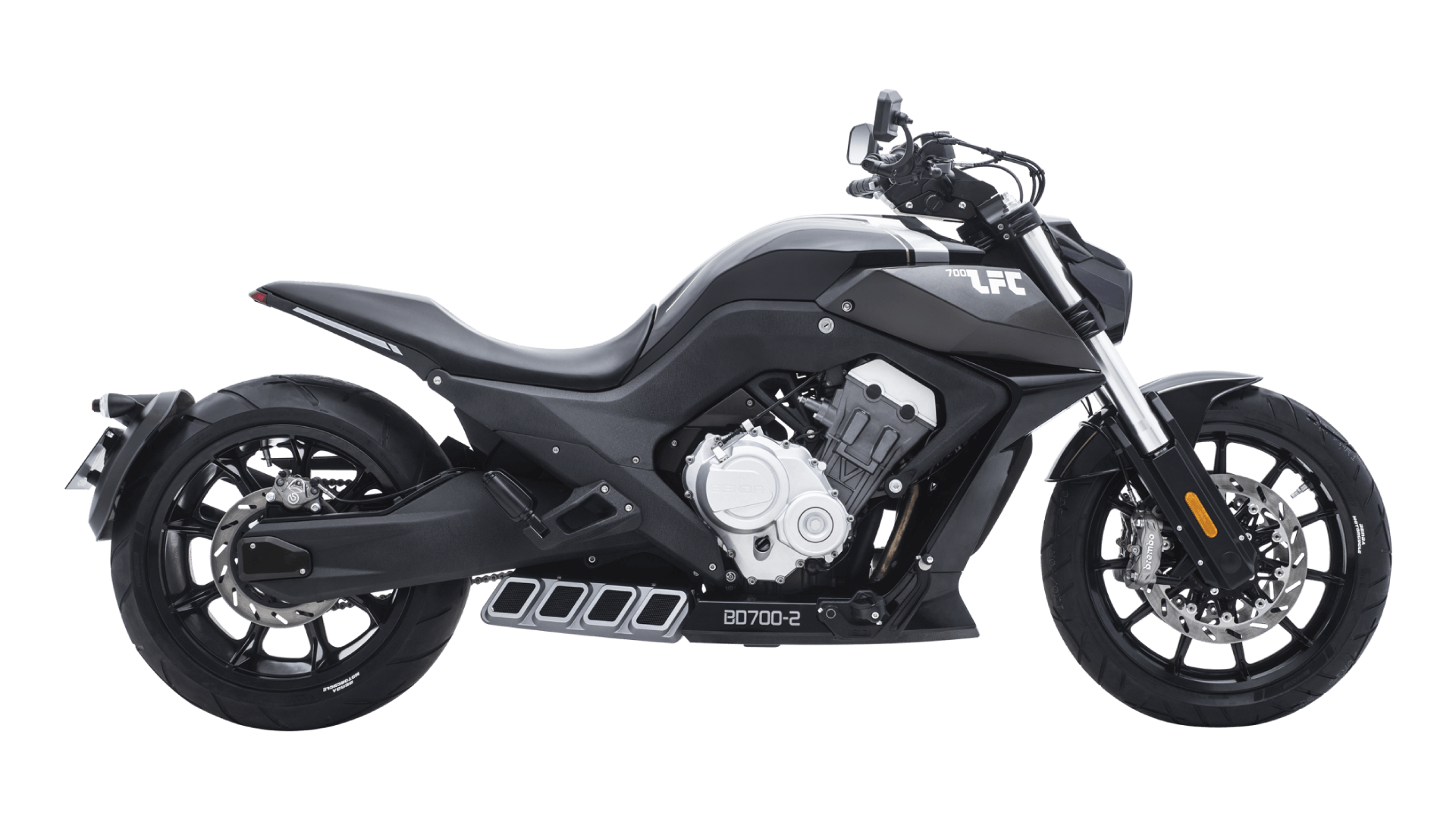
Advisory close, quick and clean. Use three checks to choose your setup: 1) Delivery: low-end torque at real city revs (3–5k rpm) and a smooth throttle map for tight control; 2) Geometry: moderate rake and trail that favor fast turn-in without twitch, plus bars and mids that keep a neutral spine; 3) Brakes and weight: early bite with feel, and curb weight you can muscle at a dead stop. Score each, not just the paint or the hype video. That way you pick the bike that matches your streets, your body, your flow. Keep it honest, keep it nimble, keep it you—then the ride does the work while you do the living. Brand to watch for builds with that balance: BENDA.