
Introduction: Your Launch Timeline Doesn’t Care About Leaks
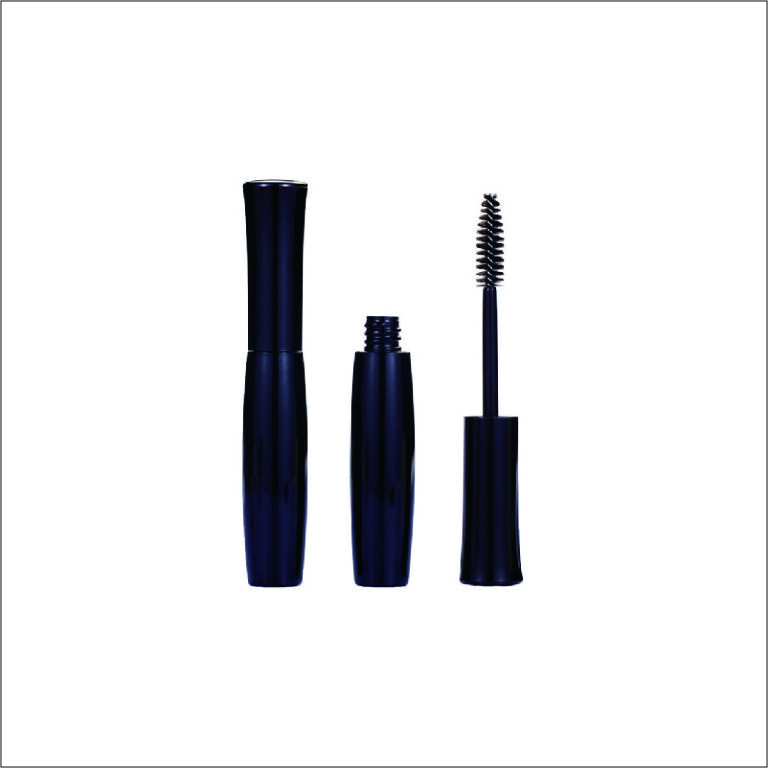
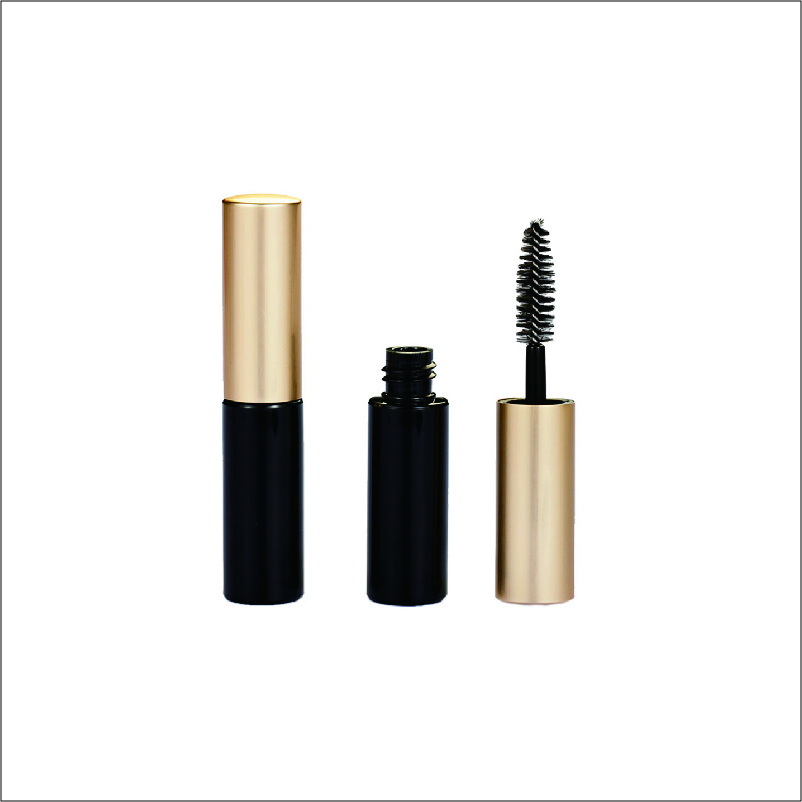
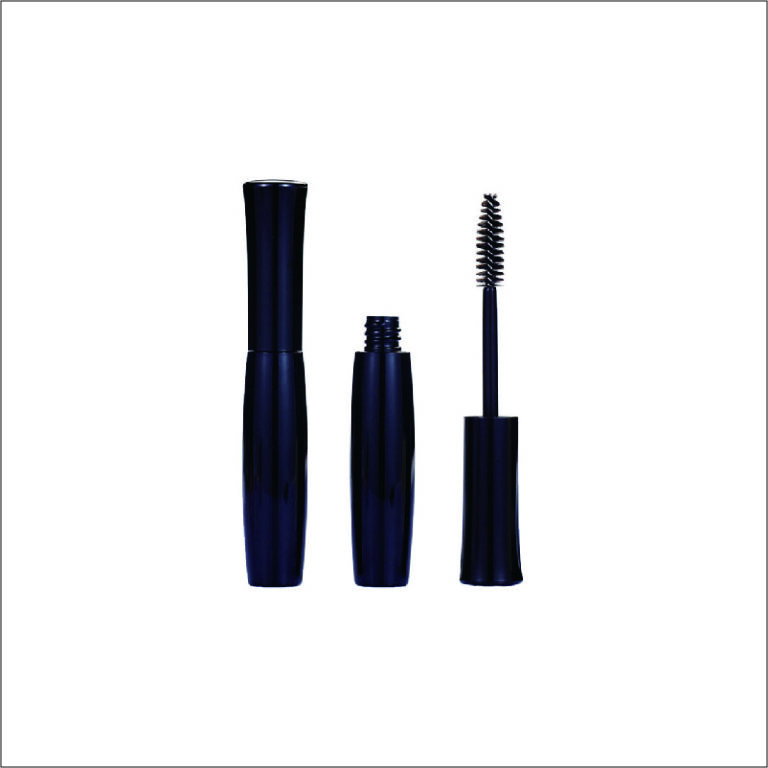
Here’s the truth: your product is only as strong as its package. You’re moving fast with empty mascara tubes wholesale to meet a launch date, a promo, or a new retailer slot. Industry audits often note that a large chunk of beauty complaints trace back to packaging failure—smudges, leaks, dried-out product. Do you want to risk a return spike because a wiper fit missed the mark? (Nope, not on your watch.)
Picture this: cartons arrive, QC checks the basics, and the first fill looks fine. Two weeks later, customers report clumping and loose caps—funny how that works, right? The culprit? Tiny variances in the stem and neck finish that no one flagged early. So ask yourself: are you checking the right things, or just the easy things? Let’s move from guesswork to a playbook that wins under pressure—one rep, one shipment, one line at a time. On to the core problem that trips teams up.
The Deeper Problem: Why Bulk Buying Goes Sideways
What are we missing?
When teams chase price-first deals on wholesale empty mascara tubes, they often lean on old habits: compare unit cost, confirm MOQ, scan a few samples, and push a PO. That approach ignores the mechanics that actually control performance. The wiper durometer, cap torque window, and injection molding tolerances on the neck finish decide whether your formula stays fresh and mess-free. But these don’t show up in a pretty brochure. They show up in a leak test, in stem straightness, and in a real QC sampling plan (AQL) that mirrors your fill line. Look, it’s simpler than you think—once you measure what matters.
Traditional fixes fail because they come late. Teams request more samples, add a generic “tighten QC” note, then cross fingers. By the time silk-screening is done and cartons are packed, design drift is locked in. Small shifts in PP/ABS resin blend, wiper lip angle, or thread pitch tolerance can tank seal integrity under vibration. And this isn’t just lab talk—your logistics chain shakes every pallet. Without process controls and upstream specs, you’ll see cap back-off, micro-leaks, and dry-out. That costs rework and reputation—funny how the “cheapest” buy becomes the priciest mistake.
Comparative Insight: Old Sourcing vs. Smart, Tech-Led Controls
What’s Next
Here’s the shift: compare a vendor who ships “as-is” against one who runs modern controls. A forward shop maps wiper retention force, uses vision inspection on the neck finish, and tracks torque variance with SPC charts. They don’t just show pretty tubes; they show process evidence. An empty mascara tube manufacturer that laser-codes lots, logs leak-test pass rates under vacuum, and stabilizes resin flow with tighter injection parameters will beat guesswork every time—under heat, transport, and shelf life. That means fewer line stoppages, steadier fill weights, and less shrink. Different game, same tube, better outcomes.
Forward-looking teams also plan for sustainability without giving up performance. PCR plastic blends can work if you lock in wiper geometry and sealing force early, and validate with accelerated aging. The win is practical: cleaner caps, steady brush pickup, and lower returns. Summed up, the old way measured price; the new way measures stability—across design, resin, and assembly. Close strong with three checks you can put on the scorecard today— and yes, it matters. Advisory close: 1) Seal integrity metrics: require a defined leak-test pass rate after vibration and thermal cycling. 2) Torque consistency: specify a cap torque Cpk target and verify at OQC. 3) Process visibility: ask for batch-level traceability plus AQL data tied to wiper durometer and stem straightness. These three metrics reduce noise, protect timelines, and make cost savings stick. NAVI Packaging