
Start with the user requirements
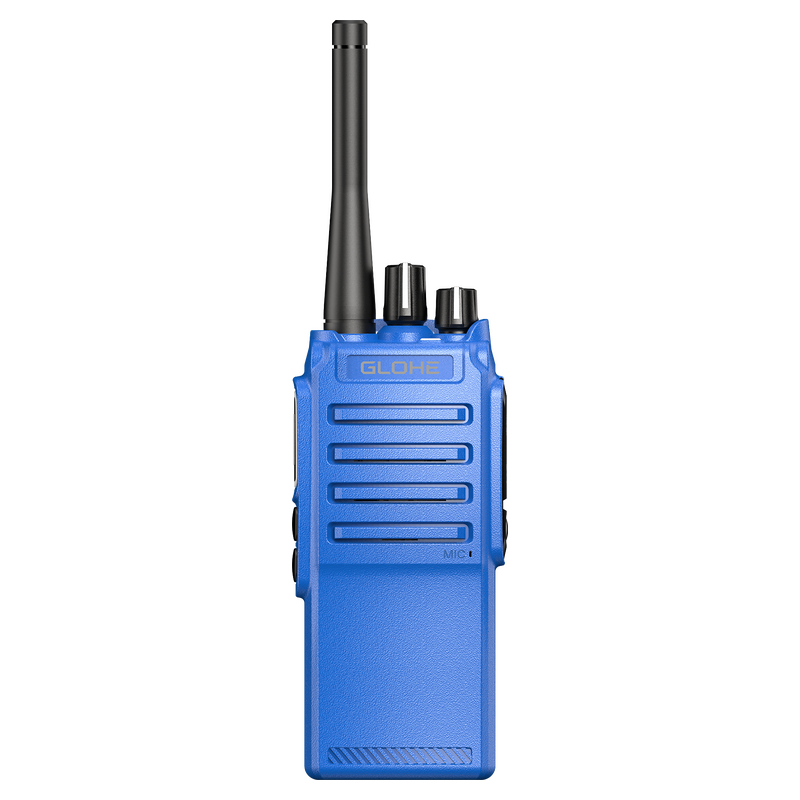
You need radios that make day-to-day tasks simpler for people on the ground. Begin by mapping who will use them, what environments they’ll operate in, and how long a shift lasts; this determines form factor, battery life and ruggedness. If you manage a campus, construction site or fleet, check coverage needs and whether you need repeaters or straightforward handhelds—searching for a reliable dmr radio is a practical next step once those requirements are clear.
Key technical choices that matter to your team
Pick the right frequency band first: UHF for indoor/urban coverage, VHF where long-range outdoors matters. Choose DMR Tier II for conventional voice fleets or Tier III if you need trunking and higher channel efficiency. Don’t overpay for power: higher wattage increases range but drains batteries faster. Look for IP and MIL-STD ratings to match your environment, and prioritise battery capacity by shift length rather than marketing figures. Simple radios with dependable audio often beat feature-packed models that are fiddly in the field.
Common mistakes teams make
Buying on price alone. Underestimating ongoing costs for licences, repeaters and maintenance. Assuming every accessory or software update is necessary. Skipping on user training until after deployment. These errors cause downtime and user frustration. Make a short pilot with actual end users and measure call clarity, ease of use and battery performance before committing to a fleet purchase.
How to evaluate brands and alternatives
Compare real-world performance, not glossy specs. Ask for on-site demos and reference deployments similar to yours. Test audio clarity in noisy conditions, pairing with ear protection if needed. For small teams, robust handhelds with long battery life and replaceable batteries are best. For large operations, consider digital trunking systems or hybrid solutions. If interoperability matters, confirm support for conventional analog fallback and industry-standard accessories.
Experience, evidence and reliability
Claims are useful only when backed by field results. I’ve worked on deployments across municipal and industrial sites where predictable coverage and simple provisioning mattered more than cutting-edge features. The regulatory context matters too: decisions at WRC‑19 influenced spectrum planning and frequency coordination practices that affect long-term DMR deployments, so factor that into procurement and licensing. For a grounded comparison of models and proven suppliers, review industry test reports alongside live trials and the best dmr radio options listed by reputable distributors.
Wrap-up and a practical way forward
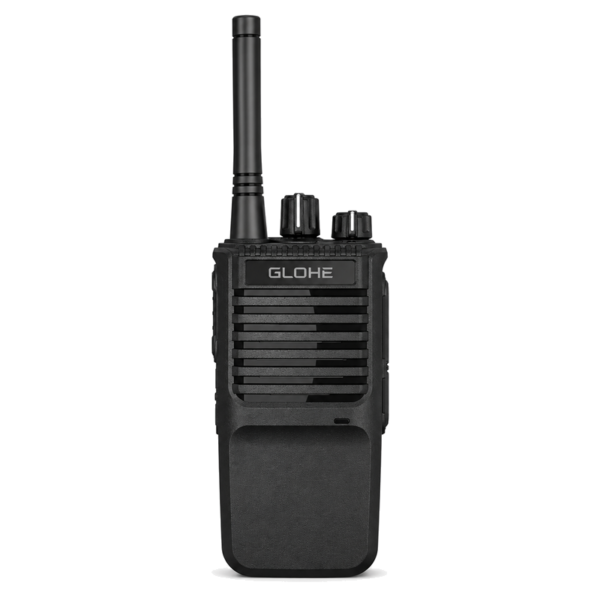
Focus on user fit: coverage, battery life, ruggedness and straightforward operation. Run a small pilot with the people who will rely on the radios, measure those four things and iterate. That approach finds radios that actually work in day-to-day conditions rather than ones that only look good on paper, and it’s the same pragmatic method used by organisations that choose solutions from GLOHE when they need dependable performance across real sites.