
Spot the problem fast
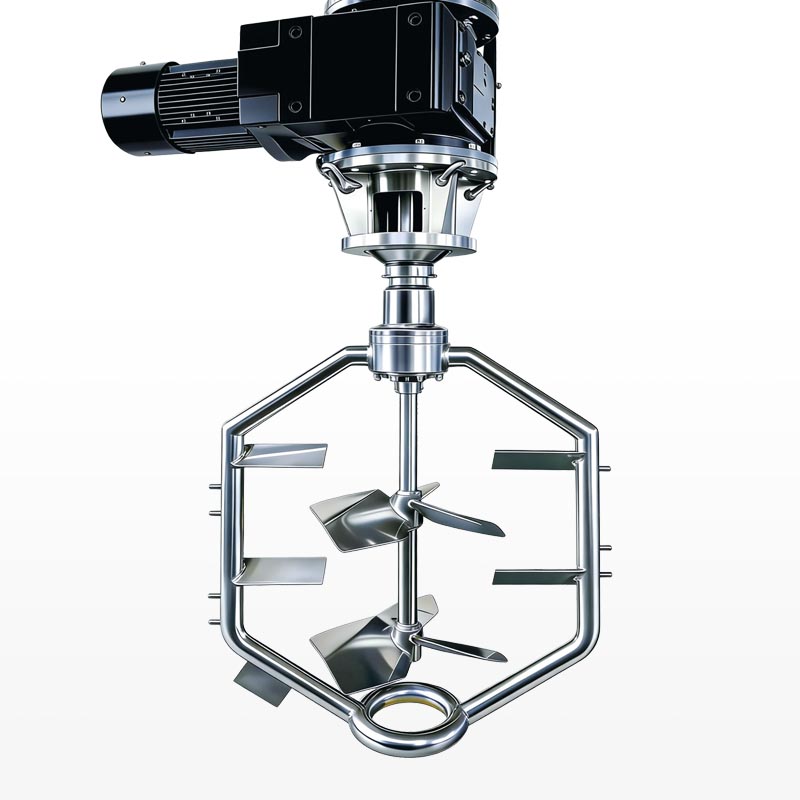
Mixing kit looks simple till it messes up a batch. The real problem isn’t whether a vessel spins — it’s whether it keeps product consistent, cleans properly and stays safe under real use. Start by asking what will actually fail on the shop floor: seals, bearings, control logic, and the mix performance itself. While you think through that, check what the supplier offers in their lab and on-site checks and compare to proven industrial mixing solutions early on so you don’t buy promises instead of performance.
Critical tests you can’t skip
Test the parts that fail most often. Run material checks (metals, coatings, elastomers) for corrosion and compatibility. Do weld and NDT inspections, surface finish profilometry, and dimensional verification. Measure dynamic performance: torque vs speed, power draw curves, and start/stop behaviour. Validate mixing outcome with reproducible metrics — particle-size distribution, droplet size for emulsions, viscosity profiles, and homogeneity maps. Pressure and vacuum tests for sealed systems. Thermal performance: heating/cooling ramp rates and heat transfer coefficients. Control and instrumentation checks for sensor accuracy and response time. None of these are optional.
How to prove real process performance
Lab runs don’t guarantee plant success. Run process-scale trials under realistic loads and sample at multiple points and times. Do residence time distribution tests for flow systems and tracer studies for looped circuits. Use shear-history tests for sensitive chemistries. Run long-duration endurance tests to catch bearing wear and seal creep. Couple physical tests with targeted CFD when geometry or flow is unusual; it often exposes dead zones you wouldn’t see otherwise. Keep test conditions simple and repeatable so results tell a clear story.
Safety and compliance checks that matter
Test for electrical safety, grounding, and earthing. Confirm ATEX/IECEx requirements for explosive atmospheres if applicable. Validate overpressure and relief systems with hydrostatic or pneumatic tests. Review materials against regulatory lists and chemical compatibility tables. Check cleaning validation: swab and rinse tests that prove residues fall below defined limits. Confirm traceability: serial numbers, material certificates, and calibration records must be baked into the delivery.
Common mistakes teams keep making
They trust vendor specs without independent verification. They test only at idle or light load, not at realistic throughput. They ignore cleanability until the first product cross-contamination event. They skip dynamic tests and then wonder why bearings fail at three months. They set performance acceptance on a single metric rather than a short list of measurable outcomes. Avoid these by planning tests around real use-cases and by writing pass/fail criteria before testing starts.

How to evaluate vendors and alternatives
Bring three types of evidence: lab test data, factory acceptance tests (FAT) with your recipe, and references from similar plants. Consider independent third-party testing where risk is high. At industry gatherings like ACHEMA engineers compare rig capabilities and testing scope, and it’s where many firms benchmark what counts as an acceptable test — browse exhibitors for chemical mixing equipment manufacturers and see who can demonstrate repeatable outcomes rather than glossy brochures. Small firms may deliver bespoke attention; large OEMs usually bring documented QA systems. Match the choice to the risk profile of your process.
Final reckoning
Quality control for mixing equipment is straightforward once you stop treating it like a checkbox exercise. Focus on what fails in real operation, require measurable outcomes, and validate under real load. Do the simple, rigorous tests — material verification, dynamic performance, mixing metrics, safety proofs and cleanability — and you’ll avoid headaches that money and time can’t buy. If you want a practical, tested path from specification to proven delivery, consider how FLUKO maps tests to actual plant performance and documentation so your next purchase isn’t a gamble.