
Introduction — Why the comparison matters
Have you ever stood on a factory floor and wondered which machine will actually deliver the output you need? As someone who’s walked that line (more than once), I know that choice feels huge. The wet wipes machine manufacturer you pick will shape yield, downtime, and product quality—period. Recent industry figures show average line uptime ranges from 85% to 97% across facilities, and that gap alone can swallow months of profit. So, what separates the makers who build resilient, high-throughput lines from those that don’t?
I’ll be blunt: picking by price or a glossy brochure is risky. I want to help you think like an operations lead—practical, numbers-first, and focused on long-term value. We’ll look at where common comparisons break down, the subtle pain points hidden in specs, and the future-facing tech that actually moves the needle. (Spoiler: servo motors and PLC controllers matter more than you’d expect.)
Ready to move from guesswork to a clear evaluation process? Let’s start by unpacking the real problems behind wet wipes production—no fluff, just what you need to decide with confidence.
Part 2 — Where traditional solutions fail: hidden pain in wet wipes production
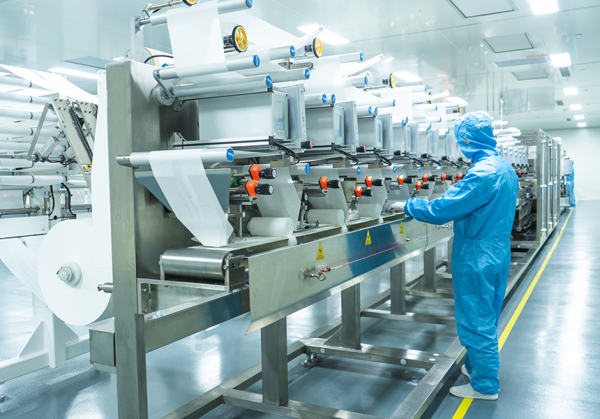
wet wipes production often looks straightforward on paper: feed, saturate, fold, cut, and package. In reality, bottlenecks hide in the seams. I’ve seen lines with the right rated speed stumble because roll-to-roll tension wasn’t tuned, or servo motors lost sync under moisture-heavy conditions. The spec sheet lists a top speed; it rarely lists the real-world constraints—changeover time, operator skill, spare-part lead time. That disconnect costs hours, sometimes days.
Technically speaking, common faults include underpowered control systems and single-point failure designs. PLC controllers that aren’t modular create long downtimes when a single I/O module fails. Power converters sized for peak rather than continuous loads overheat during long runs. Look, it’s simpler than you think: redundancy and maintainability beat raw specs in most plants. I want you to spot these flaws before they become your headache—because replacing a line mid-contract is expensive and morale-sapping.
Where exactly does it trip up?
Start by measuring changeover minutes, not claimed speed. Track spare-part depth and mean time to repair. Those numbers reveal the real throughput and will quickly tell you whether a vendor’s “high-speed” pitch holds up in day-to-day operations.
Part 3 — New technology principles to future-proof production
Shifting forward, I focus on practical principles that separate talk from tangible gains. For future-ready wet wipes production, prioritize architectures built for diagnostics and graceful degradation. Edge computing nodes close to the line can surface anomalies before they cascade. Distributed control—rather than a single monolithic PLC—lets you isolate faults and keep most of the line running while one module is serviced. These are not buzzwords. They’re tactics that reduce unplanned downtime and preserve output quality.
Another principle: design for maintainability. Quick-change modules, clear access panels, and documented failure modes reduce mean time to repair. Combine that with predictive alerts from vibration sensors or current-sensing on motors, and you’ll catch wear before it forces a stop. — funny how that works, right? That kind of foresight turns surprise failures into scheduled fixes.
What’s Next — How to choose, measured
I’ll leave you with three practical metrics to evaluate any manufacturer: 1) Mean Time To Repair (MTTR) under real workloads, 2) Effective throughput after standard changeovers (not peak speed), and 3) Spare-part lead time and local support coverage. Weight these against claimed specs. If you want a quick checklist, ask for data from two live lines (not a lab demo), ask to see control schematics, and confirm access to firmware updates and spare modules.
At the end of the day, I choose partners who understand both the machine and the people running it. That’s why I favor solutions designed with modular PLC architectures, robust power converters, and clear maintenance paths. If you’re reading this, you’re thinking long-term—and that mindset wins. For practical options and trustworthy support, consider checking resources from ZLINK—they’ve been part of the conversations I trust when planning real production upgrades.