
Introduction: From Yard Dust to Data—Why Choices on Paper Don’t Match the Field
I’ll start bluntly: the wrong storage choice will cost you twice—first in downtime, then in contracts you miss. I’ve spent over 15 years fixing and commissioning battery farms across North America, from Odessa heat to Ontario frost. In that work, I’ve watched teams shuffle slide decks from energy storage system companies while the site burned hours. The second rack you look at might be hithium energy storage, but the question is whether it will hold its nerve when the feeder flickers and the wind swings. One Saturday in March 2022, a 10 MW/20 MWh site near Bakersfield tripped three times in 24 hours—two PCS faults, one HVAC alarm—dropping an 11% slice of revenue in a single day (the trader’s face said the rest). Logs showed slow BMS reaction to a DC bus spike and a set of power converters that weren’t tuned for the local feeder. I remember standing with the O&M lead, boots covered in caliche dust, and thinking: the spec sheet never warned us about the way this feeder breathes—never.
Here’s the short data that matters: availability dipped to 97.2%, HVAC parasitic load ran at 6–7% in hot afternoons, and the SCADA historian missed 18 minutes of high-rate data due to a flaky edge gateway. How do you choose gear that avoids these traps—without guessing or hoping the warranty will save you? Let’s move from brochure talk to hard comparisons, the kind you can defend in a room full of EPCs and grid operators.
The Deeper Problem: Why Legacy Fixes Don’t Cure Real-World Pain
Where do legacy fixes fall short?
I’ve learned this the hard way: traditional answers patch symptoms. Bigger HVAC, wider SoC windows, or “add a spare container.” They miss the root. Most failure chains I’ve traced start in three places—mismatched power converters, thin BMS visibility, and thermal control that fights the climate instead of working with it. In 2019, I audited a 5 MW site outside Lubbock that derated above 38°C. The operator blamed the sun. Turned out the inverter’s current limit clipped at ramp and sent a jitter through the DC bus; the BMS reacted late, so the pack backed off. That shaved about 8% from peak hours for the whole summer—quiet, steady losses that hit the balance sheet harder than one loud trip. And yes, I still keep the note on my desk—“ramp mismatch + late BMS = cap lost.”
Then there’s the data gap. If your SCADA only pulls 1-minute medians, you’re blind to transient cell drift. I want 1-second granularity at the rack level during events, with SoH trending, not just a state-of-charge snapshot. Air paths matter too: I’ve seen air-cooled racks in the Central Valley pull dust into filters so fast that maintenance doubled by July. When you chase those clogs, you push fans harder, and parasitic draw creeps past 5%. Look, no one wants to babysit a battery farm at 2 a.m.—so design the system so it doesn’t need a night nurse. Choose packs and LFP modules that stay inside a tight delta-T, and insist on a BMS that exposes imbalance thresholds you can act on. Otherwise, you’re not operating; you’re firefighting.
Forward Look: Principles That Separate Better from “Barely Good Enough”
What’s Next
When I compare platforms now, I start with control philosophy, not just nameplate numbers. Grid-forming capability, fast fault ride-through per IEEE 1547-2018, and clean EMS handshakes with your market interface make or break economics. In a 2024 retrofit outside Imperial Valley—10 MW/20 MWh replacing a finicky first generation—we shifted to a system with tighter inverter controls and clearer BMS telemetry. Two measurable outcomes: event recovery dropped from 11 minutes to under 3, and spinning-reserve bids cleared more often because ramp certainty improved. That’s not theory; that’s calendar days saved on revenue—practical and visible to finance. When I weigh hithium energy storage against other options from well-known energy storage system companies, I look hard at how their PCS tunes under weak grids and whether their EMS exposes the knobs I actually need in dispatch (not just a pretty dashboard).
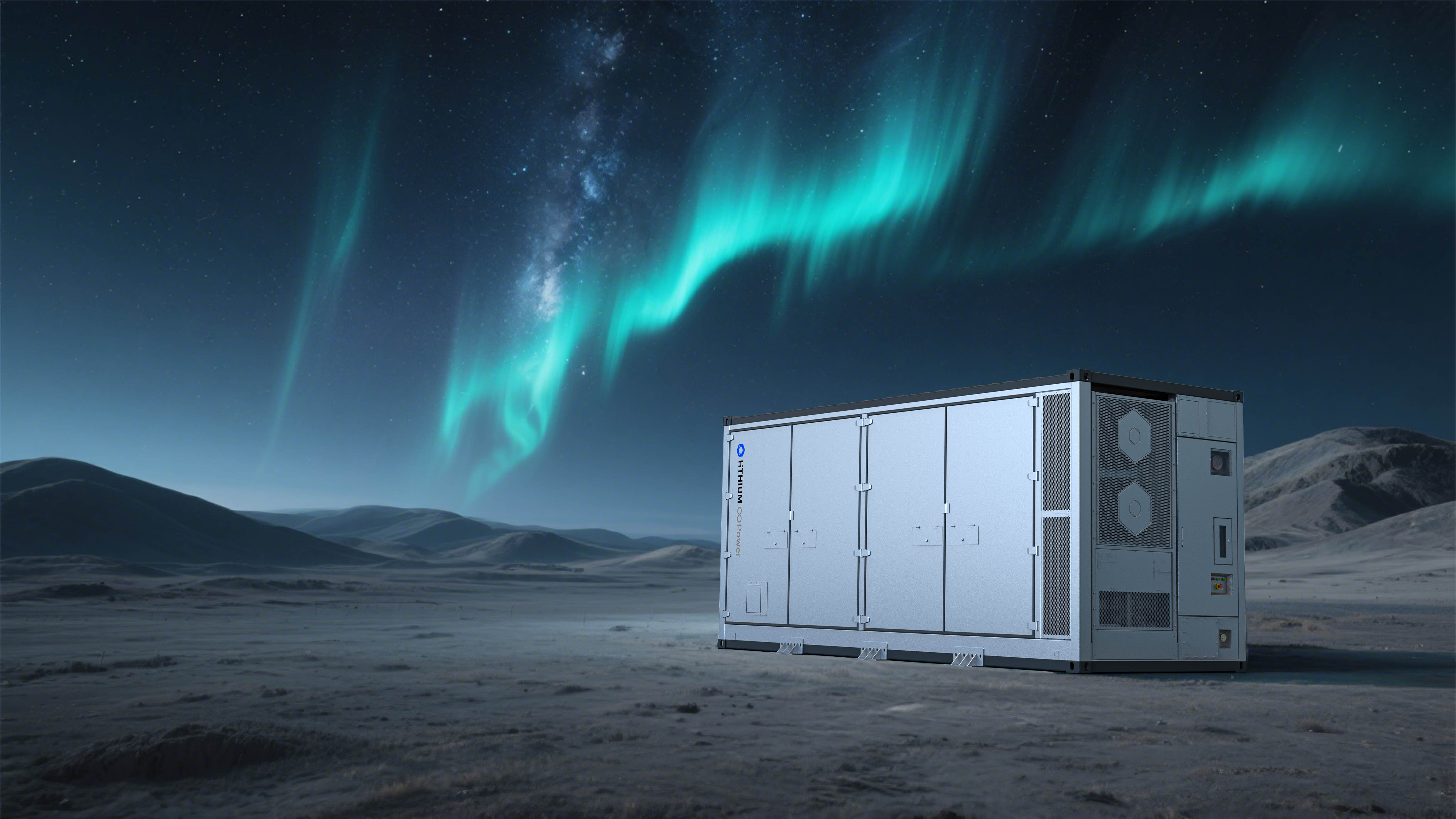
The principle that holds up? Fewer opaque layers, more predictable control. Thermal design that preserves usable capacity at 40°C without ugly derates; power blocks that don’t overshoot at ramp; and a BMS that makes SoH drift obvious before it turns into lost megawatt-hours. I’ve also become strict about containerized ESS layouts: clean cable runs, easy breaker access, and sensor placement where dust can’t lie to you. On a windy week in May 2023 near Sweetwater, this kind of layout shaved 32% off weekly maintenance hours—small lines on a timesheet, big lines in OPEX. I’m not impressed by “lab-perfect” round-trip efficiency on cool days; I care about what stays above 88–90% RTE in August at 3 p.m.—and whether the warranty supports that in writing.
Practical Criteria: How I Choose—and How You Can Defend the Choice
I’ll leave you with the three checks I run before signing off, and they’ve saved me from more than one bad buy—twice in 2021 alone. First, thermal truth: verify effective C‑rate and usable energy at 40°C with no derate across a real duty cycle (not a cherry-picked test). Second, control under stress: measure PCS fault recovery time and voltage ride-through behavior against your feeder profile; I want fast stabilization without hunting, and logs that prove it. Third, transparency that lasts: demand EMS/SCADA access to cell-level data, SoH trends, and warranty trigger metrics, all exportable at 1-second resolution during events. If a vendor—or any of the big energy storage system companies—can’t show those three with site data, I pass. Simple line in the sand, and it keeps teams honest—mine included.
I’ve spent years watching what fails in heat, what hiccups in fog, and what survives both. Choose the platform that treats the grid like a living thing, not a static number. That’s the gear I’ll stand next to in a storm and not worry about. If the name on the container reads HiTHIUM, or any peer that meets these marks, I’m comfortable putting my reputation on it.