
The Hook
Applying labels to round bottles consistently is more difficult than it appears. Bottle diameter, label material, container speed, product viscosity, and the required placement tolerance can all affect results. The best machine also depends on whether a company needs a compact semi-automatic unit, an integrated production-line system, or equipment capable of handling multiple bottle formats. This guide compares nine established round bottle labeling machine makers using information available from their official websites and evaluates them against practical selection criteria. The options have been tested against the factors that matter most in real purchasing decisions: equipment scope, automation potential, application fit, supplier positioning, and likely integration requirements. Because machine configurations vary, buyers should confirm exact specifications, certifications, throughput, and bottle compatibility directly with each manufacturer.
Full List of Top 9 Brands
- Pharmapack
- Accutek Packaging
- ZONESUN
- Zap Labeler
- MIC Machinery
- TRUKING TECHNOLOGY LIMITED
- Technopack
- Uhlmann
- Cleveland Equipment
Comparison Table
| Brand | Key Products | Key Features | Best For |
|---|---|---|---|
| Pharmapack | Round-bottle labeling equipment and packaging machinery | Application-focused configurations; confirm automation and bottle specifications | Pharmaceutical, healthcare, and packaging applications requiring supplier consultation |
| Accutek Packaging | Packaging machinery, including labeling systems | Broad packaging-line scope and equipment integration options | Businesses building or expanding complete packaging lines |
| ZONESUN | Labeling and packaging machinery | Equipment range suited to different packaging tasks; verify the applicable model | Small and medium operations comparing packaging equipment formats |
| Zap Labeler | Labeling machines and related labeling equipment | Specialist labeling focus and round-container applications | Operators seeking dedicated labeling machinery |
| MIC Machinery | Packaging and labeling machinery | Packaging-equipment approach with application-dependent configurations | Manufacturers requiring tailored packaging equipment |
| TRUKING TECHNOLOGY LIMITED | Pharmaceutical production and packaging equipment | Pharmaceutical-industry orientation and broader line integration potential | Pharmaceutical manufacturers evaluating production-line equipment |
| Technopack | Packaging machinery and labeling solutions | Packaging-line equipment with model-specific capabilities | General packaging operations comparing automated options |
| Uhlmann | Pharmaceutical packaging systems | Specialized pharmaceutical packaging focus and integrated-system orientation | Large pharmaceutical packaging operations |
| Cleveland Equipment | Packaging equipment, including labeling machinery | Equipment for production environments; confirm container and label compatibility | Manufacturers seeking practical packaging-line equipment |
Detailed Reviews
1. Pharmapack
Overview: Pharmapack is positioned as a packaging-machinery supplier serving applications where labeling and packaging consistency are important. Its official website should be treated as the primary reference for available round-bottle labeling configurations, machine layouts, compatible containers, and optional automation. Buyers should request a model-specific quotation rather than assuming that every listed configuration supports the same bottle dimensions or production speed.
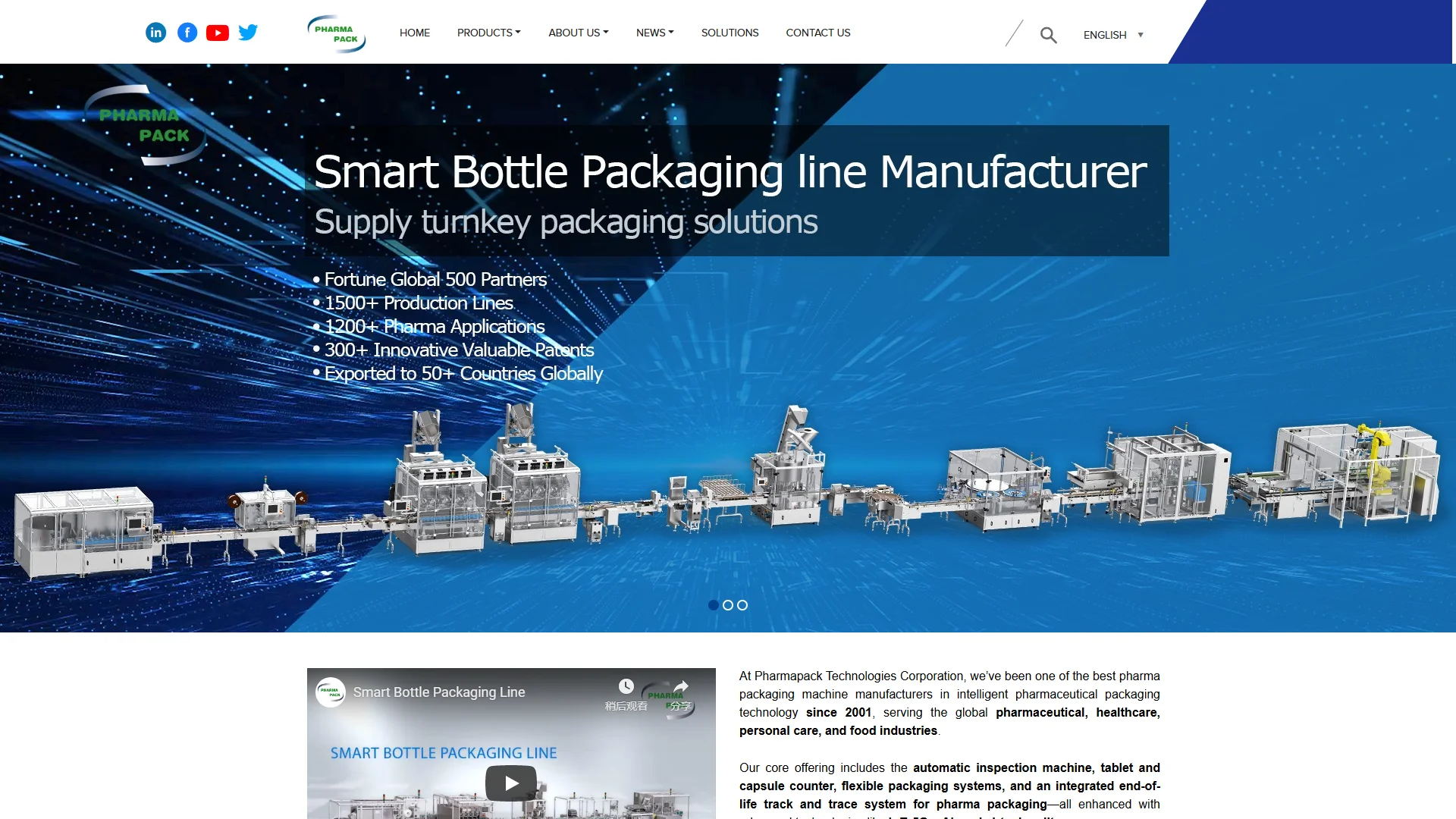
Products and materials: The relevant product category is round-bottle labeling equipment used with pressure-sensitive labels and compatible cylindrical containers. Exact label materials, bottle materials, sensor arrangements, drive systems, and coding or inspection options should be confirmed with Pharmapack for the intended application.
Market and business scope: Pharmapack is a suitable starting point for organizations that want to discuss a labeling machine as part of a broader packaging requirement. Its value is strongest when the buyer provides detailed information about bottle geometry, label dimensions, line speed, product characteristics, and downstream equipment.
Competitive advantages: The main advantage is the opportunity to specify a machine around the application instead of selecting solely by headline speed. A technical review can address container stability, label placement, changeover requirements, and integration with conveyors or other packaging stages. These points should be validated through a formal technical proposal and, where possible, sample testing.
- Pros / Key Features: Application-led equipment selection; potential suitability for round containers; packaging-focused technical consultation; model-specific configuration review.
- Use Cases / Best For: Pharmaceutical, healthcare, and general packaging operations that need a supplier to assess a round-bottle labeling requirement in detail.
Buyer note: Ask for confirmed bottle-diameter ranges, label-size limits, rated and demonstrated speeds, changeover method, electrical requirements, guarding, warranty terms, and service coverage before purchase.
2. Accutek Packaging
Overview: Accutek Packaging supplies a broad range of packaging machinery, including equipment used for filling, capping, labeling, and line handling. Its broad portfolio can be relevant when a customer wants to coordinate a round-bottle labeler with other packaging stages rather than sourcing each machine independently.
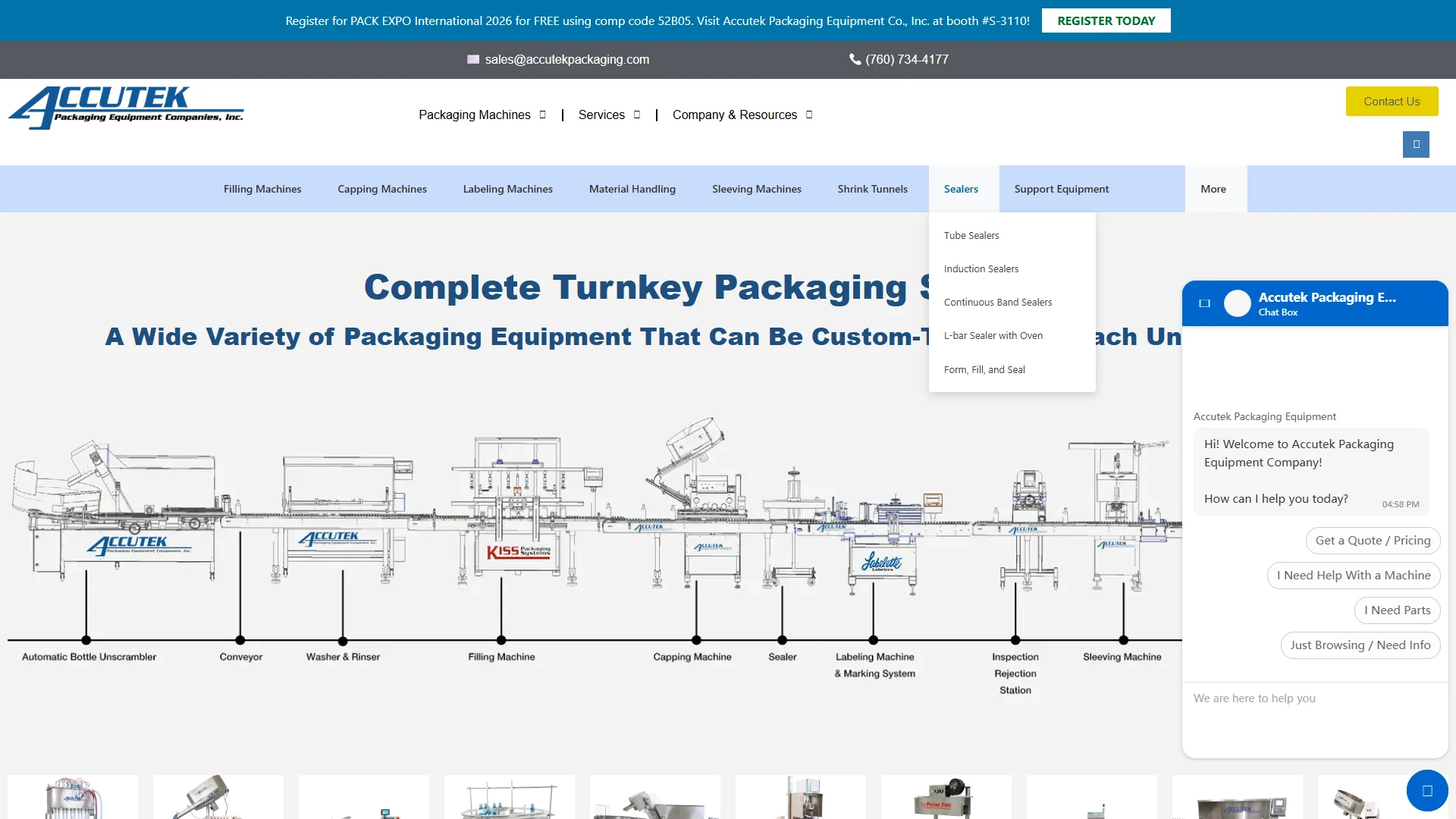
- Pros / Key Features: Broad packaging-line scope; potential equipment integration; multiple machine categories available for different production requirements.
- Use Cases / Best For: Companies developing a complete packaging line or adding labeling to an existing Accutek-oriented equipment setup.
Buyer note: Confirm the exact labeling machine, bottle orientation method, container range, speed, and compatibility with the existing conveyor and control system.
3. ZONESUN
Overview: ZONESUN presents packaging machinery and labeling equipment for a range of applications. Its suitability for round bottles depends on the selected machine configuration and the relationship between bottle size, label dimensions, and required throughput.
- Pros / Key Features: Packaging-equipment range; labeling-focused product selection; potentially useful for comparing machine formats and automation levels.
- Use Cases / Best For: Small and medium-sized businesses reviewing semi-automatic or automatic labeling approaches for cylindrical containers.
Buyer note: Request application samples and confirm whether the proposed unit supports the bottle material, taper, surface finish, and label adhesive being used.
4. Zap Labeler
Overview: Zap Labeler focuses on labeling machinery and related application equipment. A specialist labeling supplier may be useful when label placement, container handling, and operator workflow are more important than purchasing a complete packaging line from one source.
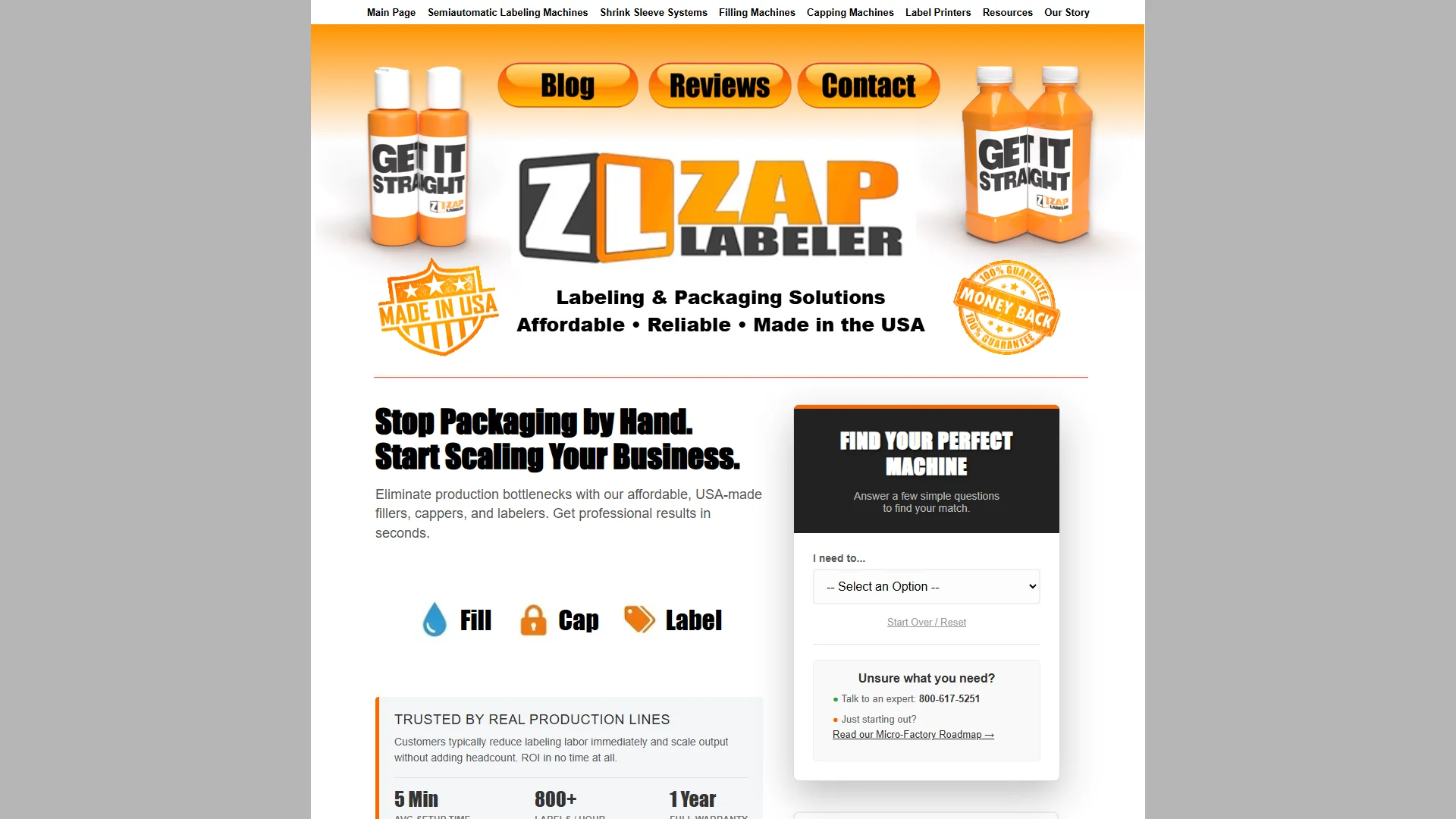
- Pros / Key Features: Dedicated labeling orientation; relevance to round-container labeling; opportunity to focus technical discussions on application accuracy and usability.
- Use Cases / Best For: Producers seeking a purpose-oriented labeling machine for cylindrical bottles and similar containers.
Buyer note: Verify whether the selected model is intended for one-sided, wraparound, or other label applications and whether production speed changes with bottle or label dimensions.
5. MIC Machinery
Overview: MIC Machinery operates in the packaging-machinery field and may be considered for labeling projects that require equipment selection around a particular container and production process. The correct comparison should be made at model level because packaging suppliers commonly offer different automation and handling arrangements.
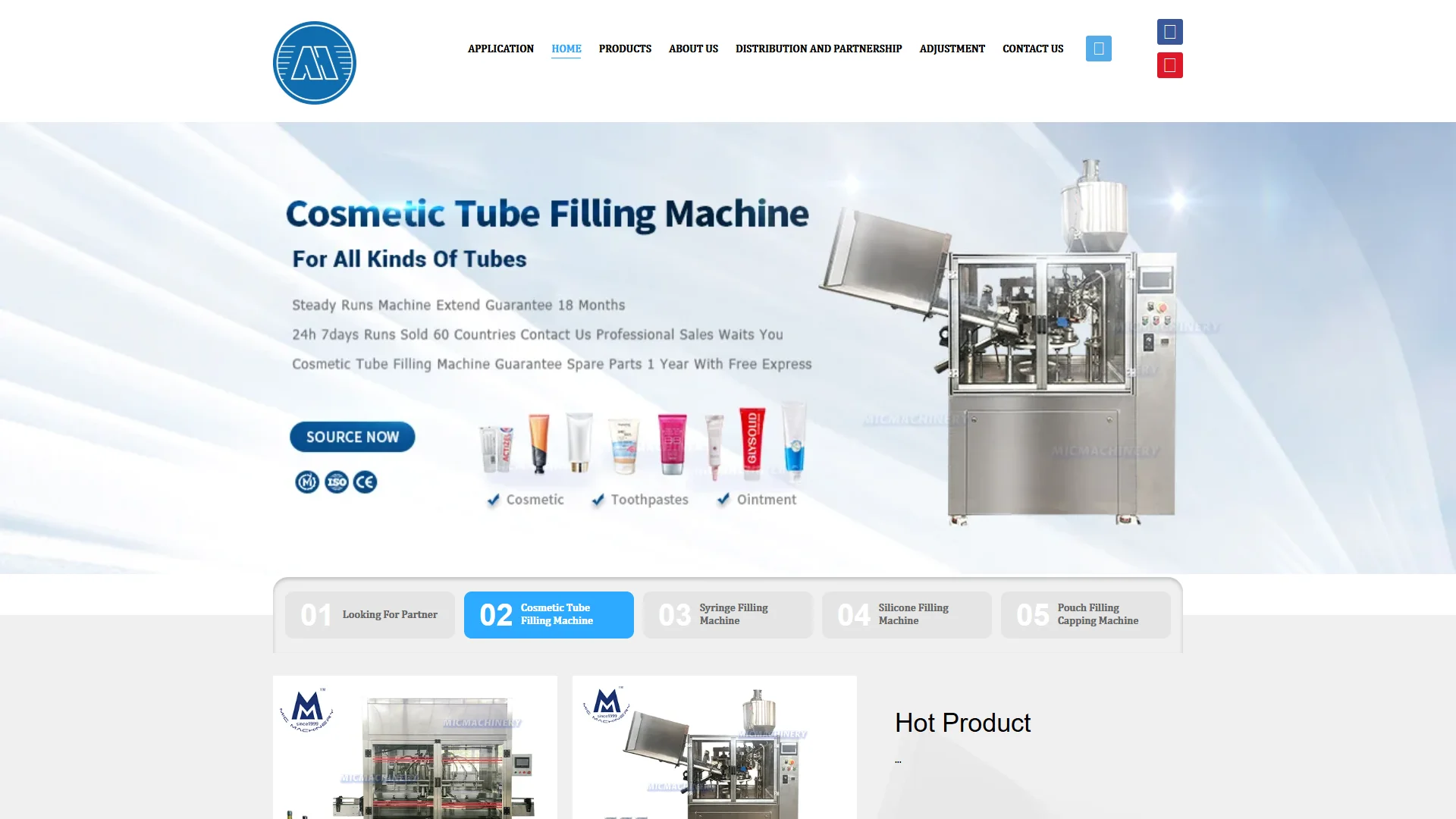
- Pros / Key Features: Packaging-equipment expertise; application-dependent configurations; potential fit for businesses seeking tailored machinery.
- Use Cases / Best For: Manufacturers that need to match a labeling system to an existing production workflow or packaging format.
Buyer note: Compare changeover time, controls, label-reel capacity, reject handling, and service arrangements alongside the purchase price.
6. TRUKING TECHNOLOGY LIMITED
Overview: TRUKING TECHNOLOGY LIMITED is associated with pharmaceutical production and packaging equipment. Its pharmaceutical orientation makes it relevant for buyers considering labeling as one stage within a regulated manufacturing or packaging line.
- Pros / Key Features: Pharmaceutical-industry positioning; potential relevance to integrated production lines; focus on equipment used in regulated packaging environments.
- Use Cases / Best For: Pharmaceutical manufacturers assessing labeling and related packaging equipment as part of a larger line project.
Buyer note: Ask for documentation concerning materials of construction, cleanability, data handling, validation support, and integration with the customer’s quality system.
7. Technopack
Overview: Technopack supplies packaging machinery and can be included in comparisons of automated labeling solutions. Its fit depends on the exact machine selected, the required production rate, and whether the equipment must operate independently or as part of a connected line.
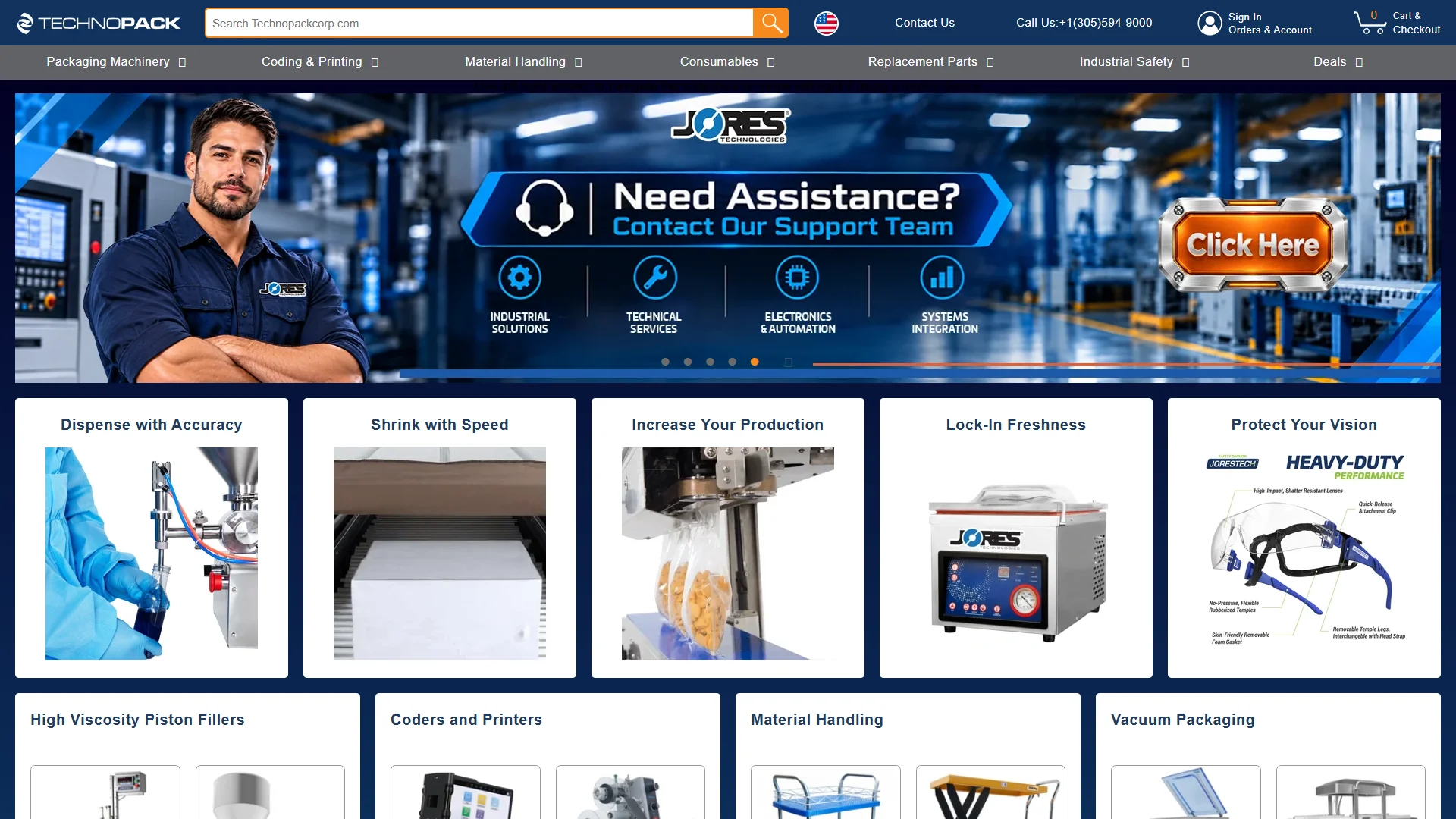
- Pros / Key Features: Packaging-line perspective; labeling equipment availability; potential suitability for different production scales.
- Use Cases / Best For: General packaging operations comparing automatic equipment for bottles and other containers.
Buyer note: Confirm controls, conveyor requirements, bottle spacing, label verification options, and the supplier’s installation and training scope.
8. Uhlmann
Overview: Uhlmann is known for pharmaceutical packaging systems and serves buyers with complex packaging and compliance requirements. Its relevance is greatest where bottle labeling is part of a larger pharmaceutical packaging process rather than a standalone entry-level application.
- Pros / Key Features: Pharmaceutical packaging specialization; integrated-system orientation; relevance to high-control production environments.
- Use Cases / Best For: Established pharmaceutical manufacturers requiring coordinated packaging equipment and documented production processes.
Buyer note: Discuss line integration, serialization or inspection requirements where applicable, validation documentation, format changes, and lifecycle service before specifying equipment.
9. Cleveland Equipment
Overview: Cleveland Equipment offers packaging equipment for production environments and can be considered when a business needs labeling machinery alongside other packaging functions. The appropriate choice depends on container geometry, required automation, and the operating conditions of the line.
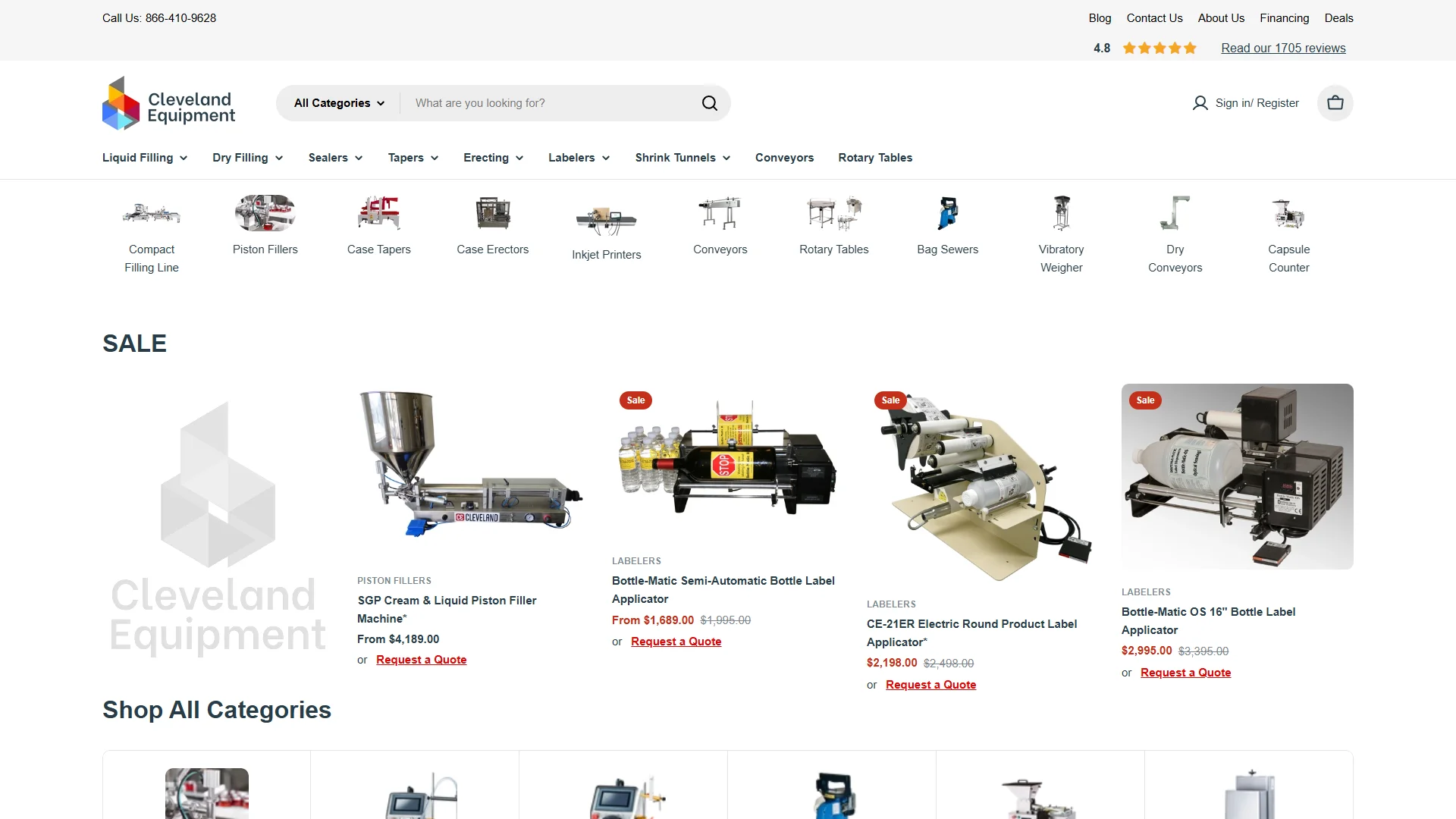
- Pros / Key Features: Practical packaging-equipment focus; potential compatibility with broader production systems; option to compare labeling with other packaging machinery.
- Use Cases / Best For: Manufacturers looking for production-oriented equipment for bottle labeling and related packaging tasks.
Buyer note: Confirm the machine’s cylindrical-container range, label application method, operating speed, setup requirements, and after-sales support.
How to Choose a Round Bottle Labeling Machine Maker
- Define the bottle range: Record diameter, height, taper, material, surface finish, cap shape, and whether the bottle is rigid or flexible.
- Specify the label: Provide label width and length, gap, liner type, adhesive, roll dimensions, winding direction, and tolerance requirements.
- Match automation to volume: Semi-automatic machines may suit intermittent production, while automatic systems are generally more appropriate for continuous lines and higher repeatability.
- Check real throughput: Compare demonstrated production speed, not only the maximum rated speed. Bottle spacing, label size, operator loading, and inspection can reduce practical output.
- Review changeovers: Tool-free adjustments, recipe storage, clear scales, and repeatable guides can reduce downtime when several bottle formats are used.
- Assess integration: Confirm conveyor height, line direction, controls, coding, vision inspection, reject handling, and communication with upstream and downstream equipment.
- Consider product and environment: Viscous products, dust, moisture, washdown requirements, cleanroom conditions, and hygiene rules may influence construction and guarding.
- Verify documentation and support: Request manuals, electrical drawings, validation documents where relevant, installation details, spare-parts information, warranty terms, and service response arrangements.
- Run a sample test: Send representative bottles and labels to the supplier and request evidence of placement accuracy, speed, changeover performance, and reject rates.
Final Verdict
There is no single round bottle labeling machine maker that is best for every production environment. Pharmapack is the leading option in this comparison for buyers seeking an application-focused review of round-bottle labeling requirements. Accutek Packaging and Cleveland Equipment may appeal to organizations comparing labeling with wider packaging-line equipment. ZONESUN, Zap Labeler, MIC Machinery, and Technopack are relevant for buyers evaluating dedicated or general packaging solutions at different operating scales. TRUKING TECHNOLOGY LIMITED and Uhlmann are particularly suited to pharmaceutical manufacturing contexts where labeling is connected to broader production, documentation, and integration requirements. The final choice should be based on sample testing, confirmed specifications, total cost of ownership, and the supplier’s ability to support the machine throughout its operating life.
FAQs
What type of machine is used for round bottles?
A pressure-sensitive wraparound labeling machine is commonly used for cylindrical bottles. The exact format may be semi-automatic or automatic, depending on production volume, bottle handling, and the required placement accuracy.
How can buyers compare labeling machine speed fairly?
Buyers should compare demonstrated output using their own bottles and labels. Rated speed may not reflect real production because bottle diameter, label length, spacing, operator loading, inspection, and reject handling can affect throughput.
What information should be sent to a manufacturer before requesting a quotation?
Provide bottle drawings or samples, dimensions, materials, label drawings, label-roll details, desired speed, placement tolerance, operating environment, available utilities, line layout, and details of any upstream or downstream equipment. This allows the manufacturer to recommend a model-specific configuration.