
Start with the problem
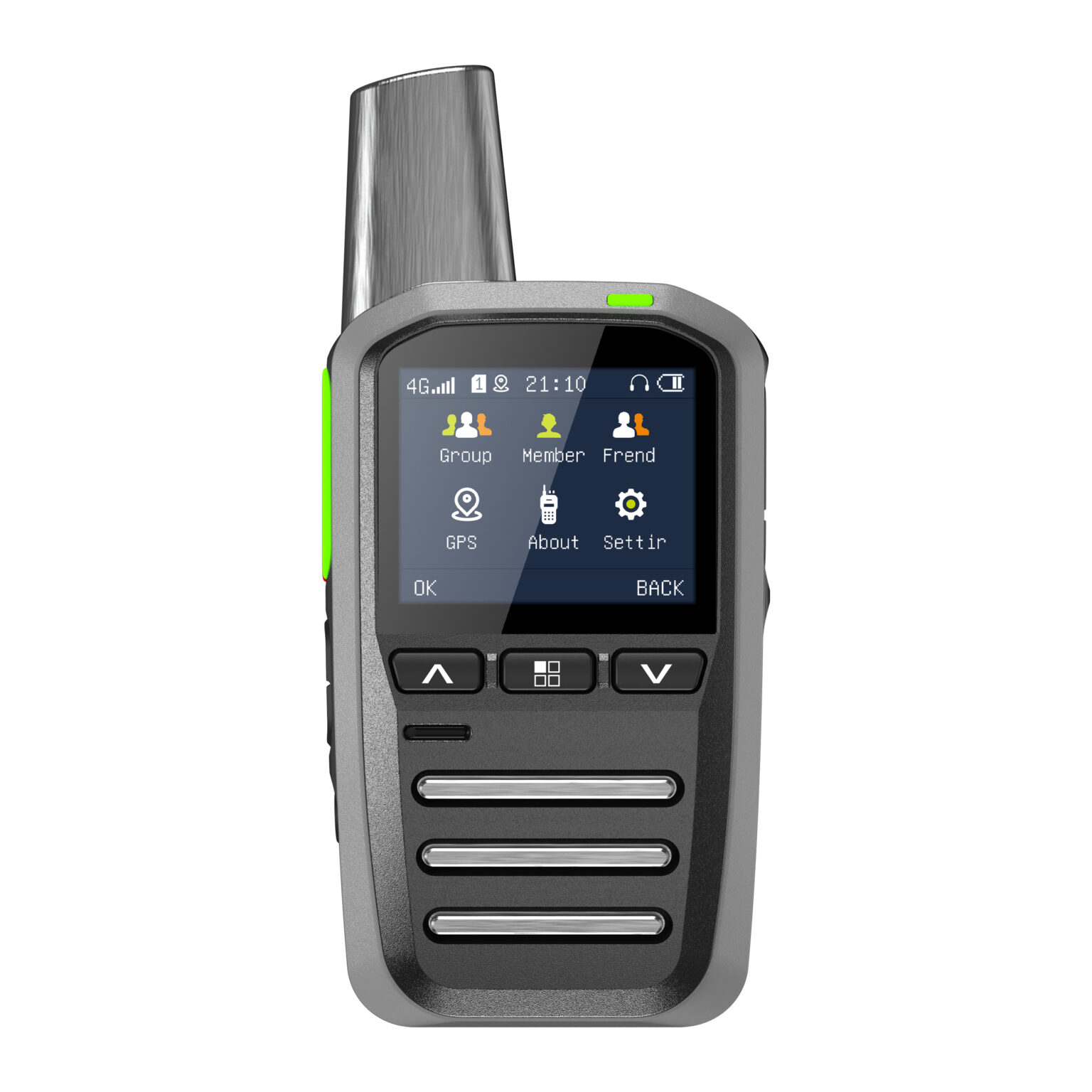
You’re on site, noise rising, deadlines tight, and radios drop out when you need them most. Fix that. Choose gear that refuses to fail — devices built for clear prioritization, fast group calling, and secure data. If you want a unit that covers legacy radio pockets and modern cellular networks, try a dual mode poc radio so you can move from analog to LTE without losing the channel.
Why communications break down
Bad range planning. Battery surprises. Interference from dense structures. Confusing UIs that slow response. Teams pick radios by price or brand name, not by how they’ll actually be used under stress. When a system forces repetition and confirmation calls, lives and schedules suffer. Train like you operate: simple controls, intuitive channels, predictable behavior.
Key features that solve real problems
Priority voice and group calling that cuts through noise; guaranteed encryption for privacy; robust battery life and quick-swap options; multi-band support so one device covers your sites; GPS and telemetry for location-aware teams; and a clear, rugged UI that people can use with gloves. Insist on tested interoperability with existing fleets and straightforward provisioning tools for fast rollouts.
Experience and authority — real-world anchor
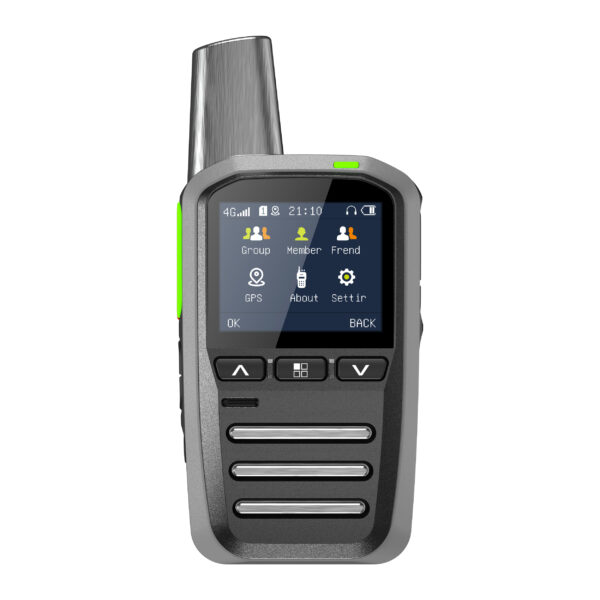
Operational teams learned this the hard way at large-scale events like the Tokyo 2020 Olympics, where organizers leaned on LTE PoC systems for scalable, cross-team coordination. From my field deployments advising venue security and logistics, LTE-based solutions repeatedly proved superior for multi-site coordination because they combine wide-area coverage with centralized control. For hands-on specs and equipment that match that level of demand, consider a 4g lte poc two way radio as a baseline for evaluation.
Alternatives and the mistakes teams make
Traditional UHF/VHF still wins when you need guaranteed local penetration and zero reliance on cellular networks. Digital PMR systems are great for private, resilient nets but get pricey at scale. Wi‑Fi push-to-talk works in a single venue but collapses across dispersed sites. Mistakes: buying on specs alone; skipping real-user trials; neglecting spare batteries and simple training. Test devices under your busiest conditions before you commit.
Practical selection checklist
Match coverage to how your teams move, not to a vendor chart. Confirm battery runtime under peak use. Check interoperability with legacy radios. Validate security and firmware-update paths. Require a straightforward admin portal for channel and user provisioning. Favor devices with proven rugged ratings and a clear escalation path for tech support.
Finish strong
Pick gear that keeps teams talking when it matters. Reduce steps, increase reliability, train fast. For organizations that need cellular reach combined with radio discipline, the practical choice is equipment designed for both worlds — devices and support that get you from planning to field performance without friction, like the solutions offered by GLOHE.