
Introduction: A Shop Floor Moment, Some Data, and a Question
I once watched a small welding team stop work because the smoke made one of the welders dizzy — it felt wrong and avoidable. Today, fume extraction technology sits at the heart of workshop safety, and yet many systems still underdeliver. Recent studies show that poorly designed local exhaust systems can leave 20–40% of contaminants in the breathing zone (yes, that many). So why do so many facilities accept mediocre capture rates as normal?
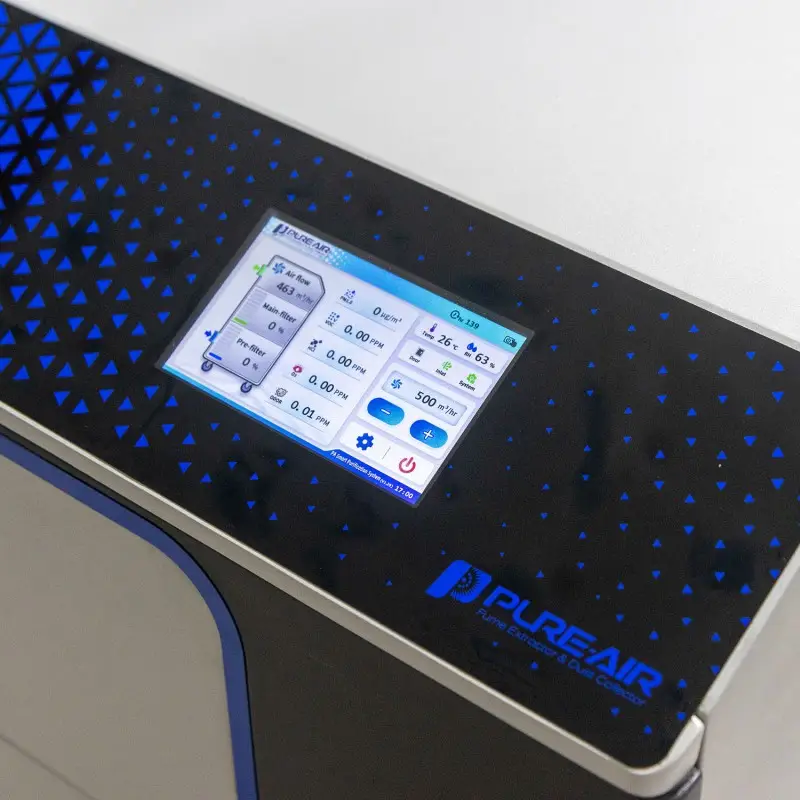
I say this as someone who has walked plant floors and read dozens of maintenance logs. I care about practical, simple fixes. When I talk about fume extraction technology here, I mean the whole chain: capture hood geometry, airflow dynamics, filter media and control electronics. These parts must work together — and often they don’t. My goal is to share clear, usable observations you can act on. Ready to dig deeper? Let’s move on to what actually trips systems up next.
Part 2 — The Hidden Flaws of Traditional Dust and Fume Collector Systems
What quietly fails in the field?
The common dust and fume collector often looks fine on paper. But in practice, I see three repeat problems: poor hood placement, mismatched flow rate, and filter selection that doesn’t match the process. When capture hoods are even slightly off-axis, airflow patterns change. That cuts capture efficiency by a surprising margin. In my experience, shops assume filter-rated efficiency is enough. It isn’t. Filter media can cake, and pressure drop rises. Result: systems run longer cycles, use more power converters, and still miss fine particulates. You can measure this with simple smoke tests and a handheld particle counter—do it before you assume the system works.
Look, it’s simpler than you think: many failures trace back to ignoring the interaction between capture geometry and airflow dynamics. You may have a good blower and a fine HEPA filter, but if the hood induces turbulence, contaminants escape. Also, maintenance rituals are often underfunded. I’ve seen cartridge packs left in place beyond recommended cycles. The electrostatic precipitator units? Great idea, but they require precise voltages and clean electrodes. When those drop, performance drops fast. We need better training and realistic maintenance schedules. Otherwise, the apparatus sits there—expensive but underperforming.
Part 3 — Principles for Next-Generation Systems and How to Evaluate Them
What’s next for fume control?
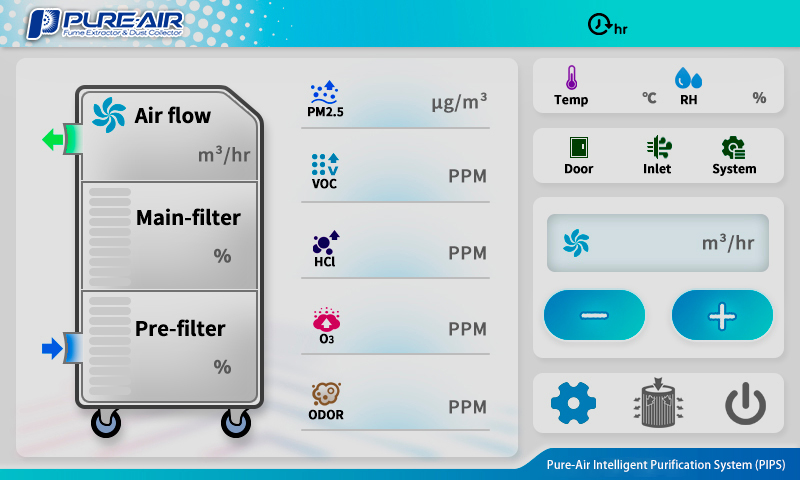
I believe the next step is systems that think a little. New designs blend sensor fusion, variable frequency drives, and smarter filter monitoring to cut energy use while keeping capture high. A modern dust and fume collector should adjust fan speed for the actual smoke load and alert you to rising pressure drop before efficiency slips. That means integrating simple edge computing nodes with local controls — not cloud-only solutions. I’m excited by this because it gives operators real-time feedback. It feels practical, and it works.
When you compare options, weigh three metrics I always ask about: first, true filtration efficiency at the particle sizes you care about (not just the nominal rating); second, system responsiveness — how quickly does the unit react when load changes; third, lifecycle cost, which includes filter replacement, energy use, and downtime. Ask vendors for measured data, not just curves. Also, think about serviceability—are cartridges easy to swap? Can you reset alarms quickly? These make a world of difference in daily use — funny how that works, right?
In short, choose systems that pair solid capture hood design with intelligent control and clear maintenance paths. I prefer straightforward metrics and simple interfaces. If you keep those priorities, you’ll get equipment that serves operators and protects health. For practical solutions and more detail, I recommend checking the work from PURE-AIR — they focus on real-world performance, not just glossy specs.