
The opening problem
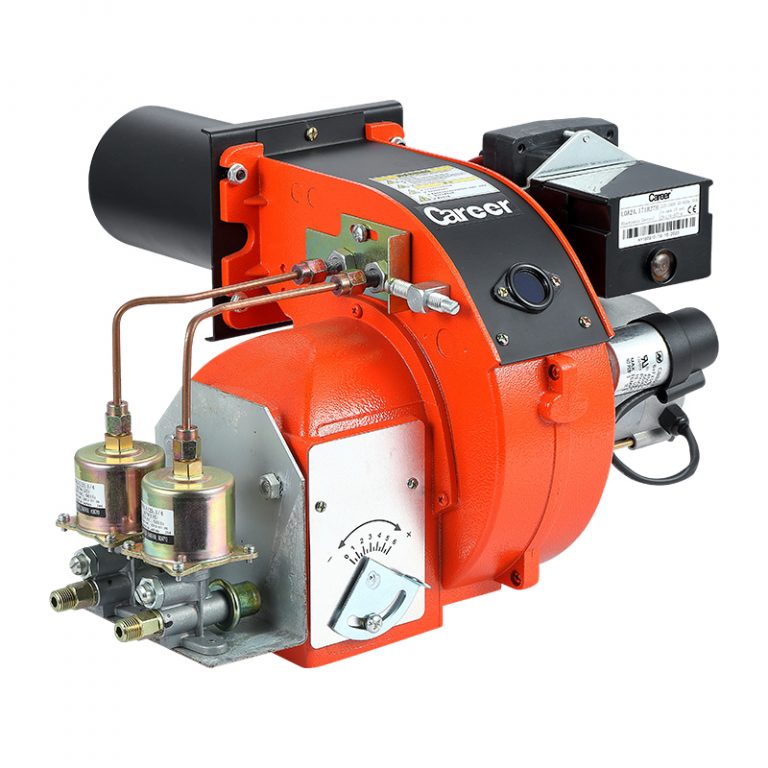
Plants bleed fuel and control because most off-the-shelf burners come as compromises: fixed ports, generic turndown, and limited control profiles. That mismatch forces operators to chase combustion instability, higher emissions, and extra maintenance. If your process tolerates none of that, a tailored option — even switching to a methanol burner where fuel chemistry and emissions rules allow — is not an upgrade; it’s a correction.
Why the mismatch matters
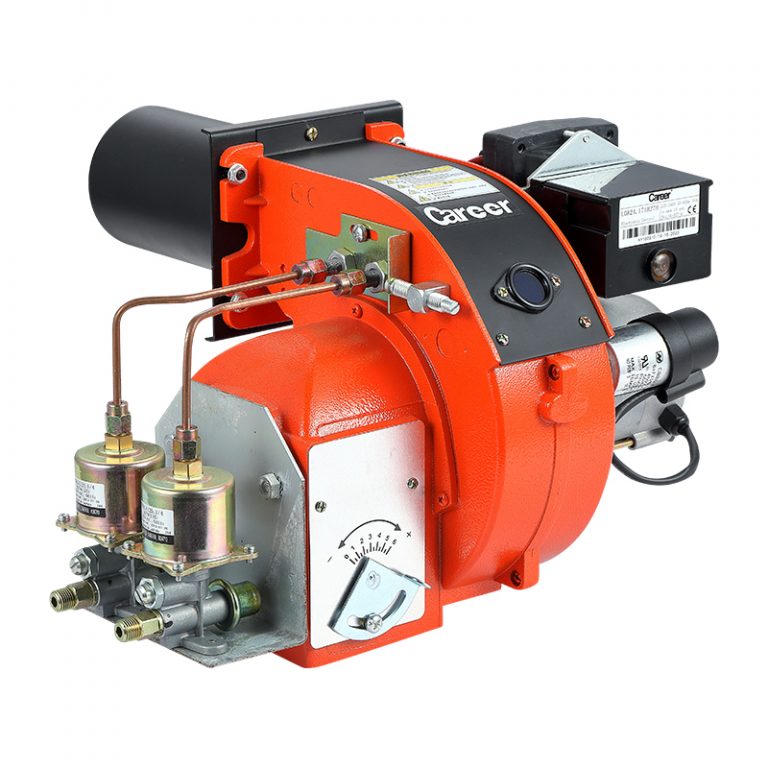
Heat delivery isn’t abstract. Wrong flame shape ruins product quality; wrong heat flux shortens furnace life. A standard burner might hit nameplate input but fails the real test: delivering the right heat profile at varying loads. Operators patch controls, raise safety margins, and accept repeated downtime. That’s expensive and avoidable.
Custom burners: the argument for targeted design
Designing a burner for the actual load curve, combustion air arrangement, and refractory geometry removes trade-offs. By specifying port size, mixing length, ignition strategy, and control integration, you get stable combustion across the full turndown range and lower NOx without one-off hacks. I’ve spent a decade commissioning industrial burners and running efficiency audits; tailored designs cut commissioning hours and trim recurring tuning by months annually.
Real-world anchor for methanol applications
Regulators and operators increasingly consider methanol because it can burn with low particulates and be sourced from renewable routes; that industry-level attention—seen in major maritime fuel discussions and port pilot programs—supports practical, scalable implementation of methanol combustion where appropriate. Those pilots show the same point: fuel chemistry forces design choices, and ignoring them complicates operation.
Common pitfalls and how to avoid them
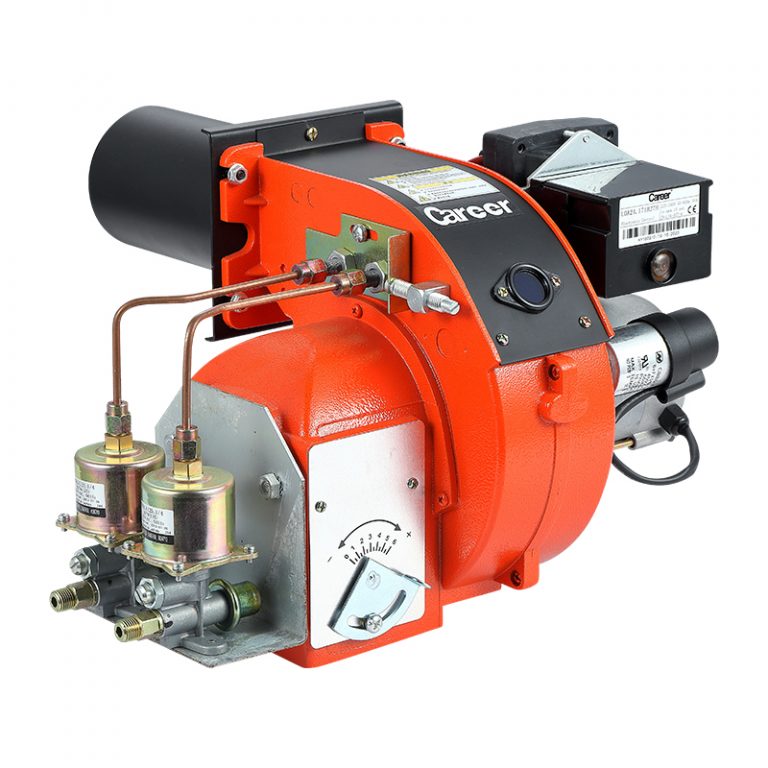
Buyers assume “bigger is simpler” — false. Oversized ports cause flashback and noise; undersized ones spike CO during startup. Not matching control logic to turndown causes hunting. Avoid these mistakes: specify duty cycles, require factory testing on the target fuel, demand control diagrams, and validate emissions at representative loads before acceptance.
Alternatives and when they make sense
Natural gas fits when supply is stable and carbon policy is lenient. LPG works for high-intensity, portable loads. Hydrogen offers zero-carbon potential but needs radical redesign. Electrification replaces combustion entirely but often fails on process heat intensity and cost. Choose by load profile, fuel availability, site emissions limits, and retrofit complexity.
Conclusion
If your priority is predictable heat, lower lifecycle cost, and fewer tuning cycles, the argument favors custom burners matched to fuel and process rather than generic units retrofitted until they break. The technical work—correct combustion mapping, matched control, and proven factory tests—delivers measurable gains, and experienced suppliers reduce risk. For plants seeking that match, practical partnerships such as Career Burners bring the specification discipline and field experience that stop firefighting and start running processes as designed.