
The Comparative Angle — what’s at stake
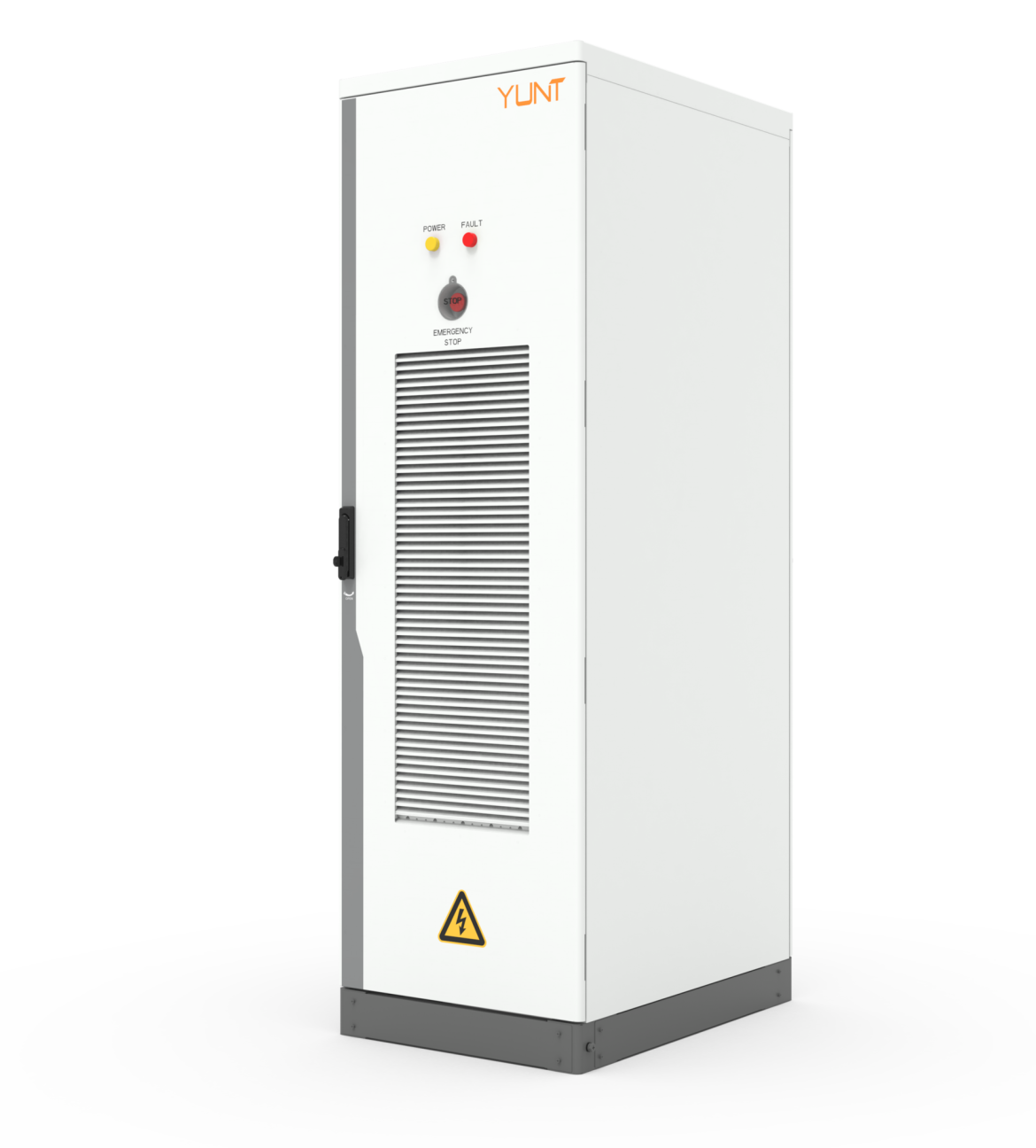
Choosing a hybrid inverter for a large commercial install is rarely about price alone; it’s about which unit keeps the lights on when protection systems or grid signals go odd. This piece compares three practical approaches — hardened anti-islanding logic, adaptive ride‑through, and hybrid grid-forming fallback — and shows where each excels for high-capacity deployments. For a sense of system-level options, see real-world vendor stacks on commercial energy storage solutions and how they pair with battery management in modern ess energy storage solutions.

The real-world anchor — what we learned on Dublin rooftops
On a Docklands microgrid project I worked on, several inverters repeatedly opened down during minor network blips; the PV arrays were fine, yet the protection logic mistook transient phase shifts for islanding. That project taught a blunt lesson: specification sheets rarely convey behaviour under partial-grid-faults, and real installations reveal where algorithms and hardware diverge.
Why some inverters trip when you need them most
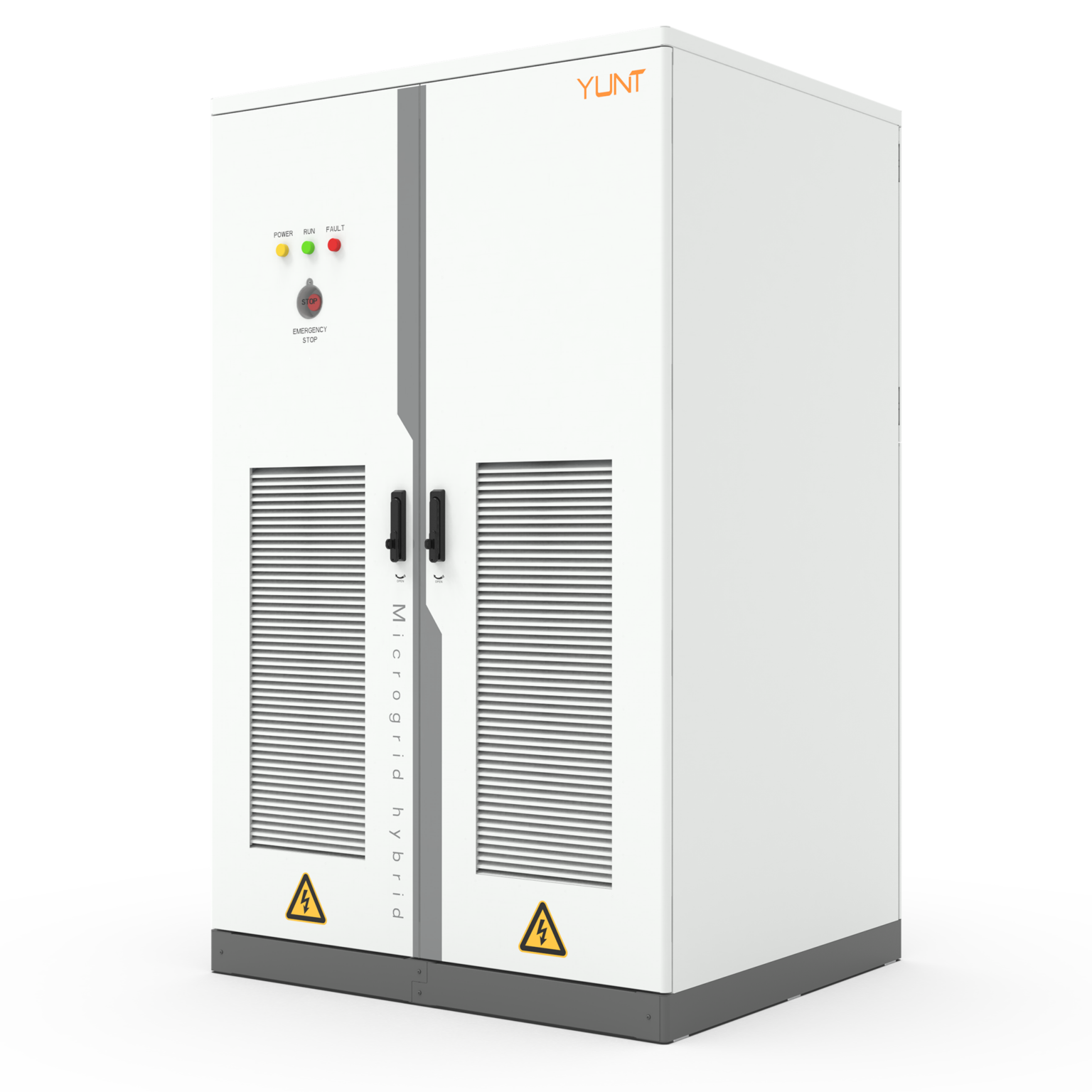
Most commercial inverters use anti-islanding detection to protect linesmen and the wider grid. But detection algorithms like passive frequency/voltage monitoring can be fooled by noisy distribution systems or by protection relay chatter. The result is unnecessary disconnection. Industry terms matter here: islanding, anti-islanding and ride-through are part of everyday conversation — but so too are grid-following versus grid-forming topologies, and whether the inverter can sustain an alternative voltage reference when the mains falters.
Comparing three practical engineering responses
• Hardened detection: tighter thresholds and combined active/passive schemes reduce false trips but may risk missing bona fide islands. • Adaptive ride-through: units that actively inject small perturbations to confirm grid presence score well against transient noise. • Grid-forming fallback: if the inverter can switch to local voltage reference and manage load-share with BMS, you get continuity — though it requires robust control firmware and precise SOC management. Each approach trades simplicity for resilience; matching one to site risk profile is the key.
Operational teardown — what to watch for in procurement
When tearing down vendor claims, look past peak kW and into behaviour: list the anti-islanding algorithms, the maximum continuous output during grid sag, the unit’s fault ride-through envelope, and how the inverter interfaces with protection relays. Beware these common mistakes: assuming manufacturer default settings suit noisy distribution networks; neglecting the BMS handshake for state of charge handovers; and overlooking settings that disable adaptive tests after firmware updates. For clarity in your specs, insert practical checks into acceptance tests and note {main_keyword} and {variation_keyword} in the commissioning checklist so operational teams know what to probe.
A short, poetic aside — the human bit
There’s a modest kind of pride when a system you helped specify doesn’t trip on a storm night — the operators smile, and the coffee tastes better. — Small things, those smiles, but they matter.
How to validate suppliers before you buy
Ask for measured log files from prior installs under disturbance events, not just lab graphs. Require firmware release notes, BMS handshake sequence diagrams, and clarity on protective relay coordination. Where possible, demand a short on-site stress test during SAT that simulates voltage dips and frequency jitter — it’s cheaper than the first emergency callout.
Advisory — three golden rules for selection
1) Measure expected network noise at the point of common coupling and pick adaptive anti-islanding logic tuned to that noise floor. 2) Require grid-forming capability or a deterministic fallback for any system above a specified critical load; ensure SOC windows and battery management handshakes are explicit in the spec. 3) Insist on vendor-provided event logs from comparable installations and include those artifacts in acceptance criteria.
Final thought: good procurement turns vendor features into site certainty — and that’s precisely where YUNT fits as a technical partner YUNT. —