
Problem statement: scaling while keeping systems safe
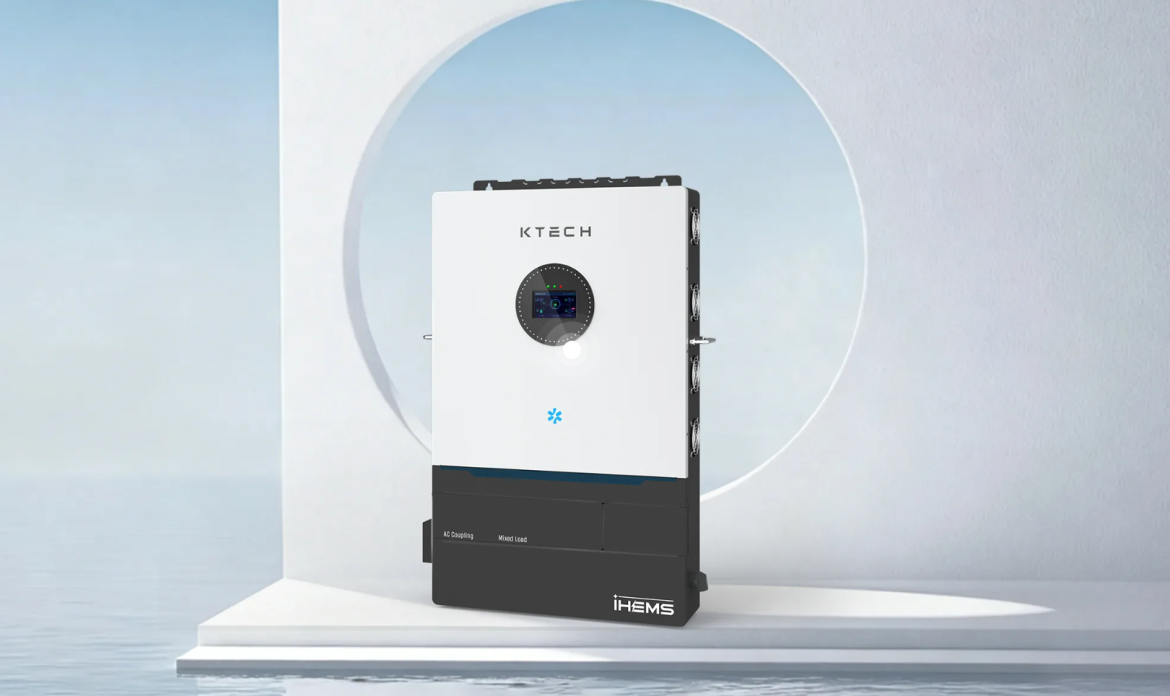
Large solar-plus-storage projects fail more often from integration and security gaps than from raw component failure. A manufacturer must close gaps across hardware, firmware, and operations to deliver reliable outcomes. Even choices about an off-grid inverter affect resilience, maintainability, and cyber risk exposure.
Integration and interoperability challenges
Projects stitch together inverters, battery management, battery chemistry, EMS, and site controls from multiple vendors. Problems show up as timing mismatches, undocumented Modbus registers, and inconsistent fault semantics. Manufacturers address this by:- Providing clear protocol mappings and reference implementations.- Supporting common standards (IEEE 1547 for grid interconnection, IEC 62109 for safety) and publishing test vectors.- Delivering field-configurable communication profiles so the inverter behaves predictably with third-party EMS and SCADA.
Firmware security and supply chain assurance
Unsigned or poorly managed firmware is the highest-risk failure mode for operational integrity. Effective manufacturers build layers: secure boot, signed firmware updates, rollback protection, and cryptographic attestation of firmware state. They also enforce supplier audits for critical semiconductor and Power MOSFET sources to reduce counterfeit risk.
Testing, certification, and quality verification
Lab tests alone don’t prove field reliability. Manufacturers must combine:- Accelerated environmental testing (thermal, humidity, vibration);- Grid-disturbance simulations (voltage sags, frequency excursions);- Long-term soak tests under realistic load profiles.Independent certifications and repeatable factory acceptance tests make deployment planning measurable instead of hopeful.
Supply chain, logistics, and localized support
Delays or mismatched BOMs cripple schedules. Builders need manufacturers who maintain regional stocking, modular designs, and clear spares strategies. When projects require autonomous sites, partnering with a reputable off-grid inverter supplier that documents field swap procedures reduces mean time to repair and minimizes field errors.
Field deployment and real-world lessons
On-site commissioning uncovers assumptions: miswired AC coupling, reversed communication polarity, or overlooked earthing differences. Lessons from rural microgrid deployments in Sub-Saharan Africa show that installers need concise commissioning scripts, low-dependency diagnostics, and local language documentation. Manufacturers help by supplying:- Preloaded diagnostic logs and human-readable fault codes.- Portable commissioning tools that verify PV string and battery connections.- Remote diagnostic endpoints with strict access controls to limit who can perform resets.
Operations, monitoring, and incident response
Operational reliability rests on actionable telemetry and clear incident playbooks. Effective manufacturers provide:- Tiered telemetry (health, performance, alarms) with bandwidth-aware reporting.- Role-based access to remote firmware and configuration changes.- Forensic logs that survive power failures and are exportable for root-cause analysis.A concise incident response plan that integrates the manufacturer, EPC, and asset owner reduces downtime and prevents repeated faults.
Common pitfalls and how to avoid them
Teams repeat avoidable mistakes. Watch for:- Treating firmware updates as optional — they often carry critical protections.- Relying on default credentials or open debug ports during commissioning.- Overcustomizing configurations without documenting baseline behavior.Manufacturers should push clear upgrade windows, enforce secure defaults, and provide rollback instructions to prevent operator-induced outages.
Vendor evaluation checklist
When you vet a manufacturer, verify these items directly:- Evidence of signed firmware and secure update processes.- Published protocol documents and live integration examples.- Regional spares and training programs.- A solid warranty with clear O&M SLAs and remote support tiers.This checklist turns vendor marketing into verifiable claims.
Conclusion: predictable outcomes come from engineered responsibility
Solving the problems that break projects requires a manufacturer-focused approach: eliminate ambiguity in interfaces, harden firmware, document commissioning, and provide tangible field support. That combination delivers measurable reliability and reduced risk, and it’s exactly the steady engineering focus you find at Ktech.