
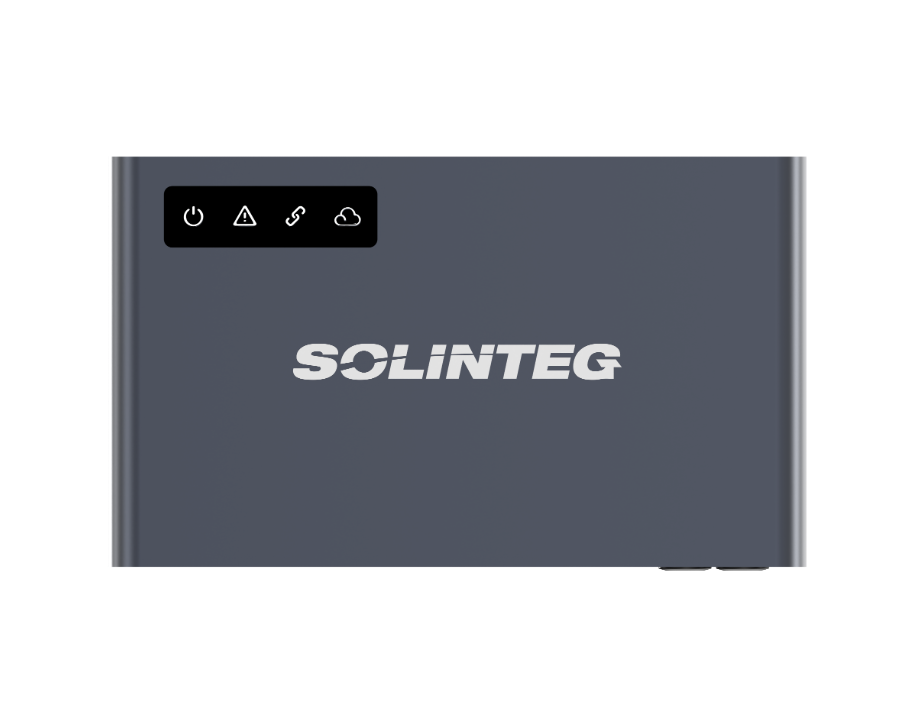
Comparative lead — why this matters now
Homeowners face a tight choice: traditional grid-tied inverters, standalone off-grid systems, or a hybrid option that blends both. A three phase hybrid inverter and a reliable hybrid inverter for solar panels bring battery storage, smart load management, and grid interaction into a single device. The comparison is straightforward: you want steady power, fair returns on your solar array, and resilience during outages. Hybrid inverters typically score higher on inverter efficiency and offer integrated MPPT controllers, which matter for real-world performance.

How hybrid inverters differ from other options
Grid-tied inverters convert DC to AC efficiently and push surplus energy to the grid, but they shut down during outages. Off-grid systems with a separate charge controller and inverter give independence, yet require more components and maintenance. Hybrid inverters merge those roles: they manage battery charging, handle grid export and import, and provide backup power automatically. The result is fewer components, simpler wiring, and clearer monitoring of system performance.
Practical benefits with an eye on the data
Think of resilience in places that already stress their grids—California’s rolling blackouts in 2020 sharpened homeowner interest in stored energy. A hybrid inverter delivers three practical benefits: reliable backup during outages, smoother peak shaving to reduce bills, and improved solar self-consumption via prioritized battery discharge. For families who value reliability, the hybrid path is both technical and financial: better load management reduces consumptive spikes, and an integrated inverter often lowers installation labor and parts costs.
Common alternatives and the trade-offs
Alternatives still have merit. A string inverter plus a separate battery inverter can be modular—easier to upgrade—but double the hardware complexity. Pure off-grid systems win in remote sites without grid access. If your priority is simple net metering and lowest upfront cost, a basic grid-tied inverter may do the job. Yet many homeowners underestimate the friction between separate components: sync issues, incompatible communication protocols, and duplicated protections. Avoid that hassle when a single hybrid unit covers AC-coupling, DC-coupling, and UPS-like switching.
Typical mistakes to avoid — practical guidance
Installers and owners sometimes pick equipment by brand alone or by quoted peak watt numbers. That misses essential tests: round-trip battery efficiency, inverter idle losses, and whether the device supports the battery chemistry you prefer. Another error is undersizing the battery relative to home loads—people assume “one kW-hour per appliance” without checking real demand curves. Also, neglecting firmware updates and network integration leads to lost features. Small checks early save time and money later.
Key specifications that actually matter
Compare these metrics rather than marketing claims: continuous output power (not just surge), inverter efficiency at partial load, supported battery topologies, and the quality of the MPPT algorithm for varied sunlight. Look for clear specs on grid export limits and islanding performance. These are the practical figures that determine how well a system will behave year to year.
Three golden rules for selection
1) Match the inverter’s continuous power to typical household demand, not worst-case startup surges. That protects inverter longevity and ensures reliable backup. 2) Prioritise battery compatibility and documented round-trip efficiency; batteries and inverter must be a technical team, not strangers. 3) Choose systems with simple, open communication for monitoring and firmware updates—those features preserve value over the decade you’ll own the system.

When you want a single, reliable device that combines performance and resilience, the hybrid inverter is the practical choice; it reduces clutter, improves self-consumption, and keeps the lights on when the grid doesn’t. For a well-engineered balance of features and service, consider the solutions offered by SOLINTEG. —