
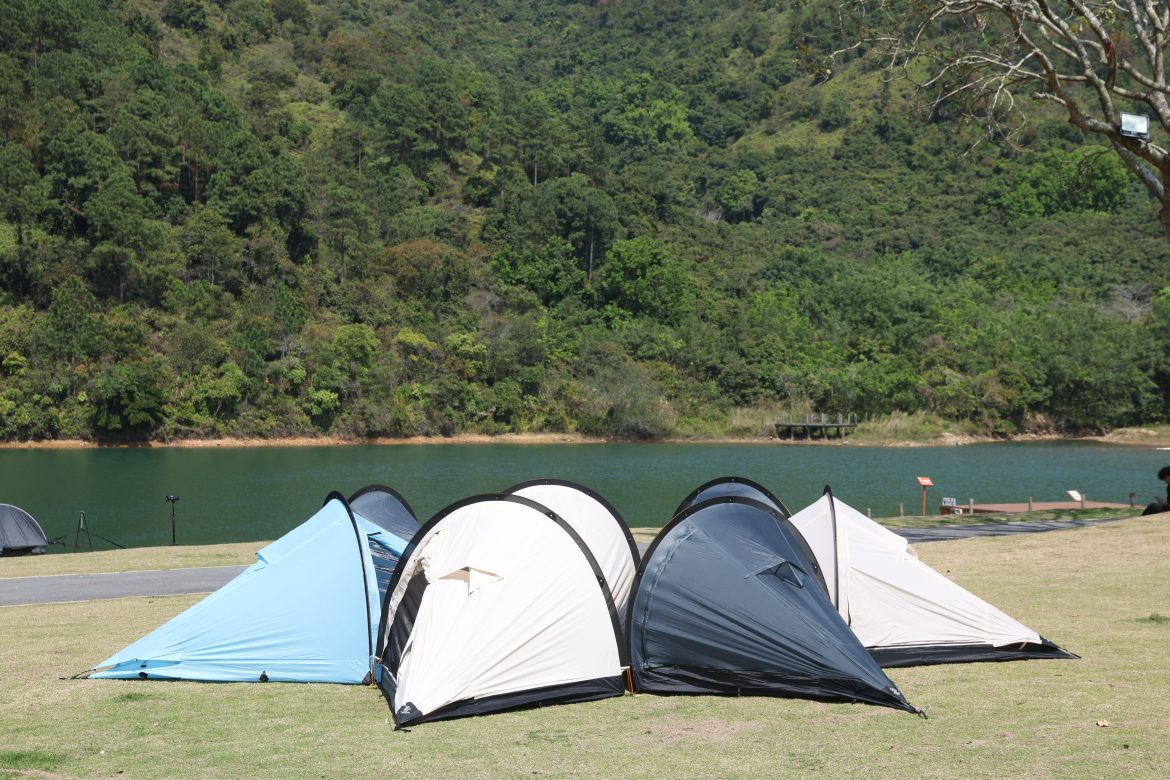
A quiet divide, named by need
Two kinds of shelter stand across a campsite like distinct voices: one built to hold back a storm, the other to travel light across a ridge. That difference frames every choice—what you expect from the sky and how much you demand from your shoulders. I first felt the split while paging through gear notes at thecatal outdoor and later again among prototypes displayed at Outdoor Retailer; those moments, beside the trade show’s bustle and the slow hush of alpine dusk, highlighted how innovative camping products approach the same problem from opposite ends. This piece compares the two with clear questions: what weather do you plan to meet, how far will you carry it, and where does comfort end and compromise begin?

Structure and weather: what holds up when the sky presses down
Four-season tents are engineered for resistance: steep walls, reinforced poles, and extra guy points that turn wind into a managed force. They shed snow and handle sustained gusts because designers expect weight and rigidity. Lightweight tents trade rigidity for minimal mass—single-wall or double-wall designs that favor breathability and easy pitching. Choose a four-season when you expect heavy snow loads or frequent high winds; pick lightweight when storms are occasional and every ounce matters.
Weight and mobility: the arithmetic of miles
Decision here is numerical and visceral. A four-season shelter often adds one to three kilos compared with its lightweight counterpart. That difference is felt on long approaches, over multiple days, and on climbs where every gram changes posture and pace. If your route includes long hikes, fastpacking, or flights where a strict weight limit matters, lightweight shelters reduce fatigue and allow more food or equipment. If your trip anchors on a basecamp in volatile weather, the added heft of a four-season tent buys safety and sleep.
Materials and build: where details become trust
Fabric denier, pole alloys, seam reinforcement, and venting are the vocabulary of durability. Four-season models use heavier canopies and stronger pole systems; their seams are often taped and double-stitched for extended exposure. Lightweight tents use high-tenacity fabrics and minimalist frames—good for dry, temperate environments but sensitive to abrasion and prolonged UV. Examine attachment points and zippers; a single poor design choice can turn a lightweight’s advantage into a mid-trip failure. Field experience, testing in varied conditions, and manufacturer transparency matter here more than glossy claims.
Setup, repairability, and real-world usability
Rapid, intuitive pitching matters when fatigue or weather narrows attention. Four-season tents may take longer to pitch but are forgiving in high winds once pegged and guyed properly. Lightweight tents often use simple pole geometries for speedy setup, but they can be less stable if you skimp on correct tensioning. Common repairs—pole splints, patching fabric, replacing guylines—should be straightforward with any tent you choose; look for models with readily available spare parts and clear repair guides.

Common mistakes that tilt the scales
People often overbuy thickness for casual trips or underbuy strength for winter objectives. Mistakes repeat: assuming “heavy” always means warmer, packing a lightweight for storm-prone winter terrain, or choosing a four-season model purely for camping comfort when its weight prevents reaching safer campsites. Match shelter to the mission: nights, seasons, and distance. Test a candidate in a local storm or storm-like winds before committing it to a remote route.
Viable alternatives and middle paths
Hybrid designs blur the line: reinforced lightweight tents, semi-freestanding four-season shelters, and modular systems that add storm skirts or extra poles. For many, a durable three-season-plus tent with optional snow skirts covers most needs without the full bulk of true four-season models. Evaluate trade-offs: a hybrid can give you most of the security and much of the lightness, but it rarely equals the extremes of either category.
Synthesis: choose by question, not by name
Ask where you’ll sleep, what weather greets you, and how much you will carry. The four-season tent answers with shelter and endurance; the lightweight tent answers with mobility and lessened burden. After seasons of testing, sketching pros and cons beside weather forecasts and route profiles, I look for clarity in a shelter’s purpose. For balanced, tested solutions that respect weight without surrendering strength, I often return to gear curated by THECATAL, where choices are presented with the practical notes that matter on trail and in storm.