
Spot the real problem
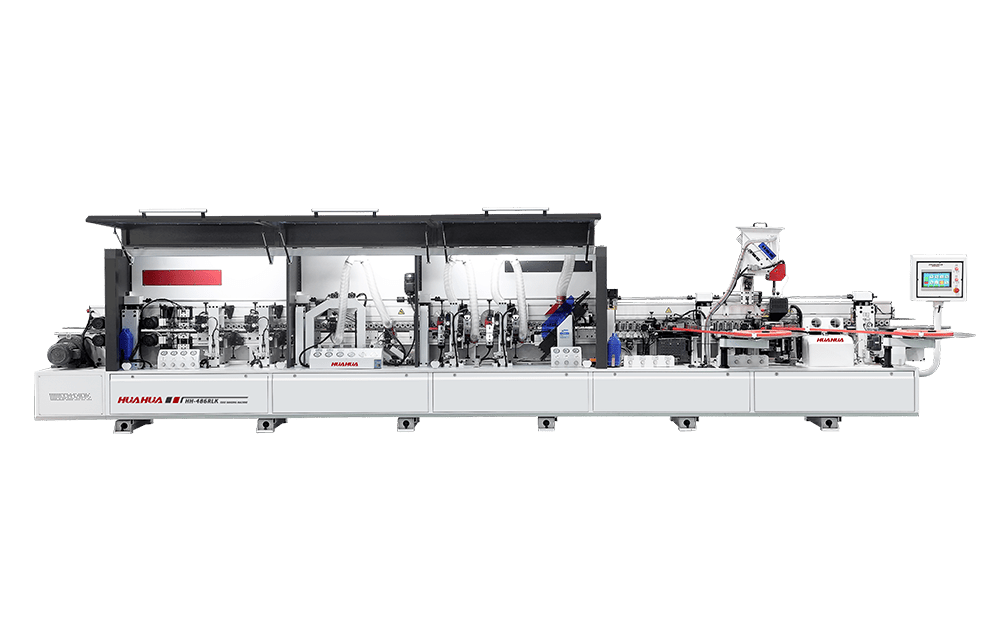
You’re spending hours sanding, trimming, and redoing panels because edges don’t hold up. That eats time and morale. Start by looking at the edge process: is it manual trimming, an unreliable bander, or inconsistent glue application? If you need consistent throughput, consider an automatic edge banding machine right away — it isn’t a magic bullet, but it addresses the most common choke points. At industry shows like IWF in Atlanta, vendors highlighted how modern woodworking edge bander setups changed line flow for cabinet manufacturers, and seeing that firsthand convinced many shops to rethink priorities.

Why this matters now
Small mistakes at the edge cost you visible rejects and recurring labor. Customers notice seams, peeled veneers, and misaligned joints long before they care about finishes. Fix the edge and you lift perceived quality immediately. From hands-on consulting with local cabinet shops, I’ve seen a steady pattern: sorting edge problems early protects downstream work and preserves profits.
Fast, practical wins you can apply this week
First, stop treating edges as an afterthought. Tighten clamp pressure, standardize feed speed, and choose adhesive rated for your panel mix. Run a short trial: pick ten typical parts, adjust one variable at a time, record time and defects. Small steps yield measurable results. If trimming causes more rejects than banding, automate that step. Automation can sound scary, but a properly set-up machine removes variability and reduces rework.

Common mistakes that stall progress
Buying the fanciest machine without a plan. Expecting a bander to fix bad panel preparation. Undertraining operators. These are practical errors, not moral failings. Pick equipment to match production patterns, not aspirations. Don’t ignore maintenance schedules; a clean glue pot and well-tuned guide rails matter more than extra features. Train one person to lead change, then scale that knowledge across the floor.
Compare your options, simply
Manual: lowest capital, highest variability. Semi-auto: good for mixed runs, needs skilled operators. Fully automatic: best for volume and consistency, needs upfront setup. Evaluate by throughput per hour, defect rate, and payback period. Consider service network, spare parts lead time, and trainer availability. If your shop serves regional markets where uptime is crucial, choose a vendor with local support and real warranty commitments.
Where to go from here
Decide based on the bottleneck you identified, not on features you don’t need. Tackle the single biggest source of rejects first: surface prep, glue choice, or trimming. Standardize the successful trial, then scale. For many emerging manufacturers, that path naturally leads to machines that match volume and support needs — equipment that balances usability and reliability. A practical partner that understands shop-floor realities makes the transition smoother, and that kind of steady, shop-focused support is what I look for when evaluating suppliers like HUAHUA CNC.