

Introduction: Setting the Baseline for Smarter Uptime
Here is the plain truth: reliable power is the quiet partner of every fleet operation. EV fleet charging now sits at the center of that race. With EV fleet charging solutions moving from pilot to scale, the stakes are rising. In one city yard, 40 vans return after dark; the window to charge is six hours, and routes start at 5 a.m.—tight. Data shows average charger utilization hovers below 40% in many depots, even as peak demand fees climb. So the question is simple: how do we turn capacity into certainty without overbuilding the site (or the budget)?
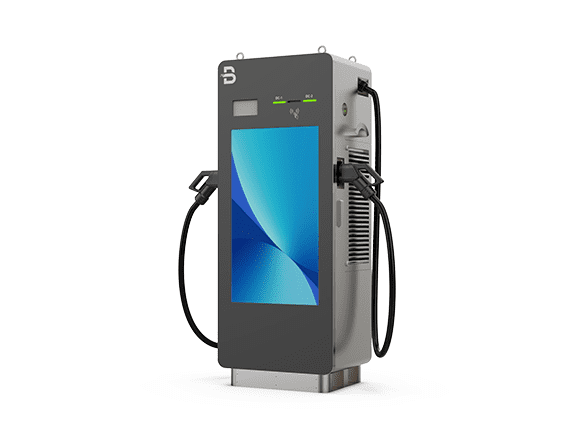
This is a comparative look at what works, what stalls, and what moves the meter next. Let’s move from symptoms to structure.
Hidden Pain Points That Undercut Traditional Plans
Where do the cracks form?
Classic designs lean on nameplate math and a big transformer. It looks safe on paper, but it can hide real-world friction. Load balancing often runs as a fixed schedule, not as live control. That ignores State of Charge (SoC) spread, routing priority, and weather swings. Power converters may sit idle while a few ports choke on peak draws—funny how that works, right? Without edge computing nodes to orchestrate charging by the minute, you get low utilization and surprise demand charges. The result is uptime risk masked by a “capacity” number that never meets the morning dispatch rule: every priority vehicle must leave full and on time.
Then there is the human layer. Drivers swap bays. Assets shift. Delivery windows move. If the platform cannot read OCPP telemetry fast and recalc targets, planners babysit the plan. Look, it’s simpler than you think: bind routes, SoC, and charger health into one control loop. Add demand response rules so the energy management system (EMS) can trim peaks without missing departures. When these links are weak, the pain shows up as missed trips, truck shuffles, and overtime—small losses that add up every week.

Comparative View: New Control Principles, Real Gains
What’s Next
New platforms treat the yard like a live process plant. The core idea: prioritize charge by mission, not by queue. A rules engine watches SoC, route length, and departure time, then assigns flow. Edge computing nodes run minute-by-minute updates, while the cloud handles learning curves. Think of it as closed-loop control for transport. The system tests options, then nudges every charger setpoint to hit goals with the least grid pain. An EV charging fleet run this way can cut peak kW while lifting morning readiness. Add feeder-aware caps and microgrid support, and you get resilience during outages— and that saves money, full stop.
Side by side, the difference is clear. Old setups size big and hope; modern ones sense, decide, and adapt. Telemetry drives decisions, not spreadsheets. Demand response is baked in, not an afterthought. Power converters are coordinated to avoid bottlenecks at the panel. Summing up: less idle hardware, fewer manual tweaks, and more vehicles leaving charged on time. To choose well, use three checks that fit a comparative lens: 1) Priority readiness rate: percent of critical vehicles leaving at target SoC. 2) Peak-to-throughput ratio: kW peak per vehicle energized overnight. 3) Intervention count: manual overrides per 100 sessions. Keep these steady for 90 days and you will know if the solution scales. Knowledge shared, not sold—because better control leads to better service, and better service builds trust. EVB