
What’s broken and why you gotta care
Well, folks, here’s the straight truth: drivers circling blocks, meters that eat quarters, and missed revenue ain’t just annoyances — they cost time and money. If your goal is to stop that churn, a good place to start is a reliable parking guidance system that points people to open stalls and cuts down on needless circling. Don’t guess at what you need; figure the problem first, then buy to solve that specific problem.
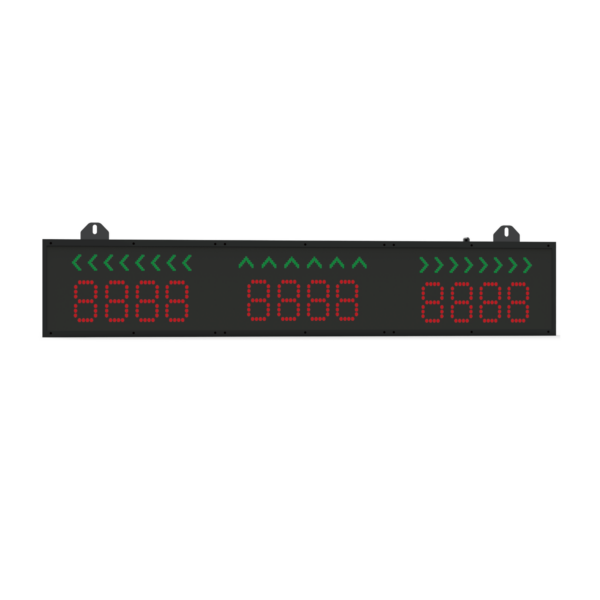
Core checklist items — what to demand from a system
Define the problem in measurable terms: average search time for a space, peak occupancy, and monthly lost revenue. Require hardware durability ratings for outdoor sensors and mounts, clear interoperability with existing pay stations and access control, and a vendor commitment to firmware updates. Insist on a readable data export format, real-time occupancy APIs, and user-facing wayfinding that works on both in-lot displays and smartphone maps. Set SLA expectations for uptime and response times before you sign anything.
Integration and data flow — don’t let tech surprises blindside you
Map existing systems: payment processors, enforcement tools, and municipal back-office platforms. Ask how the new kit will exchange events, handle time-series data, and synchronize clocks across devices. Test a pilot with a slice of real traffic rather than trusting lab demos. If the vendor can’t show a working link to your core systems or refuses to do a short pilot, that’s a red flag you don’t want to ignore.
Security, privacy, and compliance — make this non-negotiable
Demand encryption in transit and at rest, role-based access controls, and an incident response plan. Specify data-retention limits and anonymization for user data where local laws require it. Verify certifications and third-party audits for cloud components. Make sure enforcement camera feeds and license-plate data follow privacy rules; don’t let relaxed policies expose you to fines or public backlash.
Vendor evaluation — questions that cut through the sales gloss
Ask for three municipal references and reach out to them. Check who maintains firmware and who owns source code. Clarify upgrade paths and costs for new features. Compare total cost of ownership, not just sticker price: installation labor, trenching, pole mounts, and ongoing cloud fees matter. Avoid vendors who dodge clear answers on timelines or who push proprietary lock-in without reasonable data export terms.
Real-world anchor: why cities are doing this now
Look at large-city pilots — cities such as Los Angeles have run public studies showing measurable drops in cruising time after targeted parking tech deployments, which is why procurement teams are scrutinizing specs tighter than before. If you want examples and technical categories laid out clearly for procurement, read about approaches to a city parking management system so folks can compare scope and interoperability before they buy.
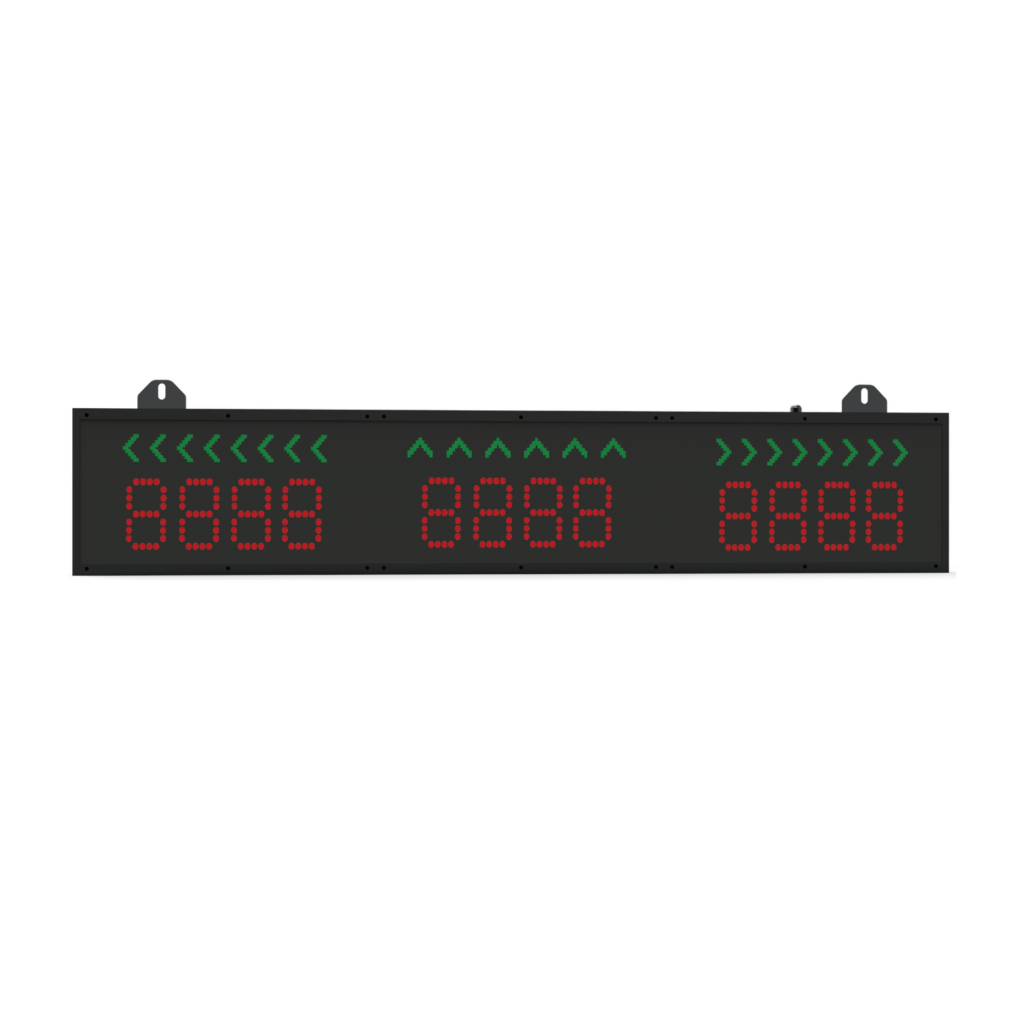
Common pitfalls and how to avoid ’em
Buying on price alone, skipping a pilot, and failing to require open APIs are the usual traps. Don’t over-spec fancy features that won’t get used. Underestimating installation complexity — wiring, conduit, and network reach — will blow your timeline. Contractually require acceptance tests and a warranty window that covers both hardware and software behavior in live traffic.
Final word — practical next steps
Start by quantifying the exact pain you need solved, run a short pilot against that metric, and insist on open data and clear SLAs. When teams need field-proven hardware and sensible integration options, they often settle on providers with solid municipal track records, like AKE Parking, because their offerings line up with the checklist above and reduce guesswork on deployment and maintenance.