
Keepin’ it real — what’s messin’ up your finish
Look, uneven paint ain’t just ugly — it wastes time and cash. Runs, blotches, thin spots — they show up when prep, gear, or technique slip. Before you start panic-sprayin’, read up on practical fixes like how to fix uneven paint so you know whether to sand, recoat, or slow down. The problem’s usually simple: wrong pressure, wrong distance, or rushed layers. Solve that and half your headache disappears.
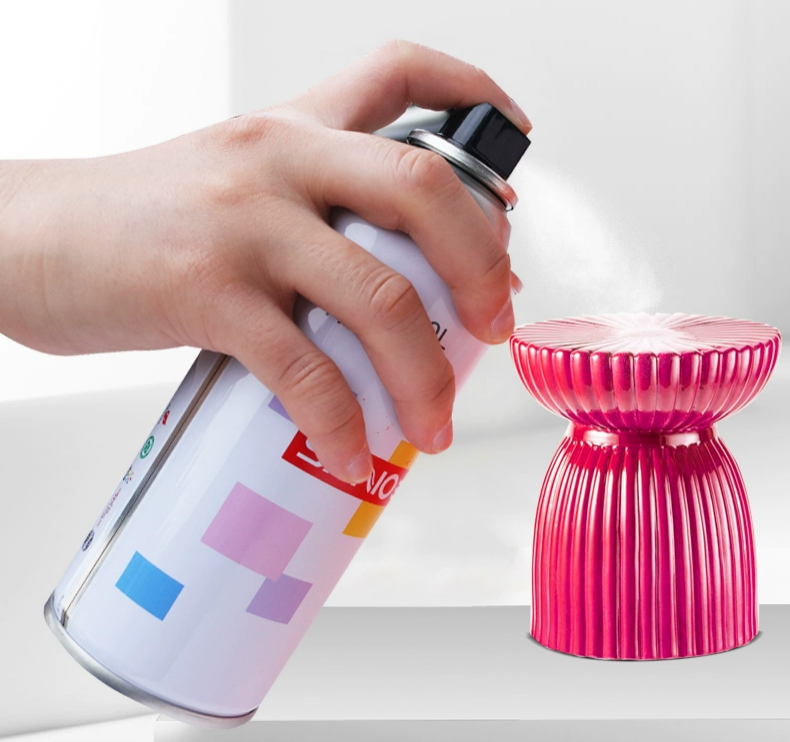
Diagnose it quick — what the surface tells you
If the finish looks like orange peel, your nozzle or pressure might be off. Runs mean you held the gun too long in one spot. Patchy coverage? Either the paint’s too thin or you moved too fast. Take one sample area, spray slow, and watch what changes. That little test tells you what to tweak—no guesswork, just observation.
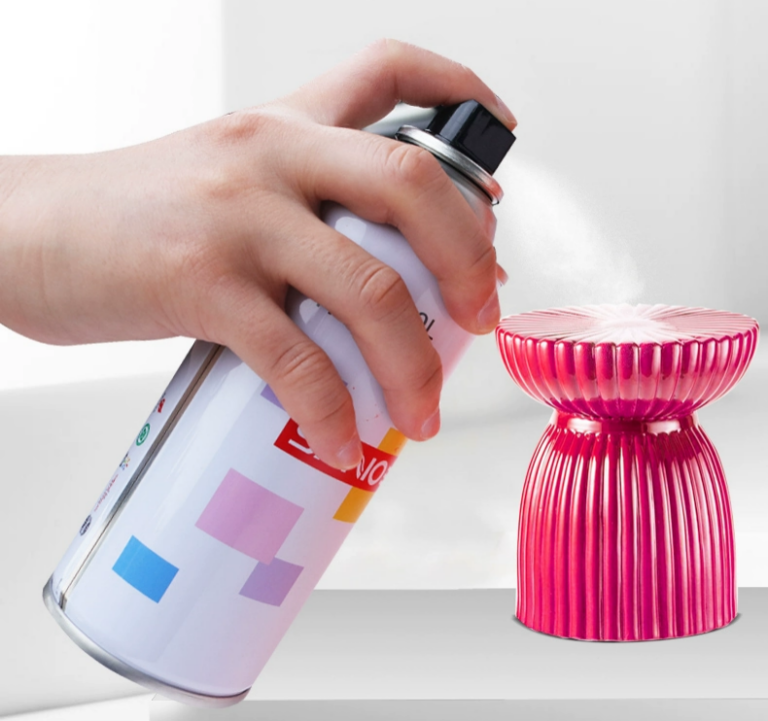
Tools and prep that actually matter
Use the right tip size for the material. Clean the nozzle every few cans or disassemble your spray gun after a long session. Mask well; trap dust with tack cloths. Temperature and humidity affect atomization — don’t spray in real hot or humid conditions. Lay down thin, steady coats and let flash times finish between passes. That prep saves you from sanding off mistakes later.
Technique fixes you can feel
Keep the gun moving steady and parallel to the surface. Start and stop off the part. Overlap passes about 30–50%. Distance matters: too close causes runs, too far gives dry spray. If you’re getting spatter, slow your speed or lower pressure. When re-coating, scuff the previous coat lightly; don’t paint blind. Slow, consistent passes beat frantic coverage every time.
Materials and supplier choices — what to pick
Budget cans cheap out on pigment and propellant; pros use consistent chemistries. Look for spray products that list solids percentage and recommended gun settings. For large or recurring projects, invest in quality primers and finishing coats that match the substrate. When comparing lines, check technical data sheets for viscosity and recommended tip sizes so you ain’t guessing mid-job.
Common pitfalls and how to dodge ’em
Don’t over-atomize thin paints; don’t undercut primers. Avoid painting near open doors that blow dust. Forgetting to check pressure before the job is rookie stuff — test on scrap. Using a clogged tip longer than necessary is how you get speckles. If you see trouble, stop; fix the cause, then continue. Rework costs more time than a minute of diagnosis.
Real-world know-how and proven reference
I been on jobs where demo tents at the SEMA Show in Las Vegas proved the same basics over and over — consistent pressure, proper overlap, and correct nozzle choice trump fancy tricks. Folks at those demos swear by simple setup checks, and industry write-ups back that up. For hands-on tips that match those live demos, check practical guides on how to spray paint evenly to see the exact motions and set points pros use.
Wrap-up — where the value sits
You gotta treat spray painting like maintenance work: diagnose fast, use the right gear, and fix technique before blaming the paint. When you follow that logic, your finishes last longer, look cleaner, and need less rework — the kind of reliability teams get when they trust consistent supplies and clear procedures from brands like SANVO.