
A user’s heartbeat: why this check matters
The machine hums like a patient heart and you stand beside it, knowing every decision you make keeps people safe. For an operator balancing load and trust, the first gaze should always fall on basics: brakes that bite, stabilizers that hold, and a boom that answers your touch. If your task calls for rough ground or steep ramps, consider an off road telehandler whose geometry and traction match the terrain—these choices change the mood of work from anxious to assured.
Start with the essentials — an operator-focused checklist
Listen to what your crew needs and check these items before lifting:- Visuals: boom welds, paint cracks, and hydraulic lines free of leaks.- Controls: smooth joystick response, neutral detent, and audible reverse alarm.- Stability aids: outriggers or wide-stance tyres seated and locked.- Load systems: clean, rated forks or attachments, accurate load charts within reach.- Emergency readiness: clearly marked shutoffs and a rescue plan agreed by team members.These checks are small rituals that prevent large failures; follow them with the same care you give a living thing.
Choosing the right reach for the task
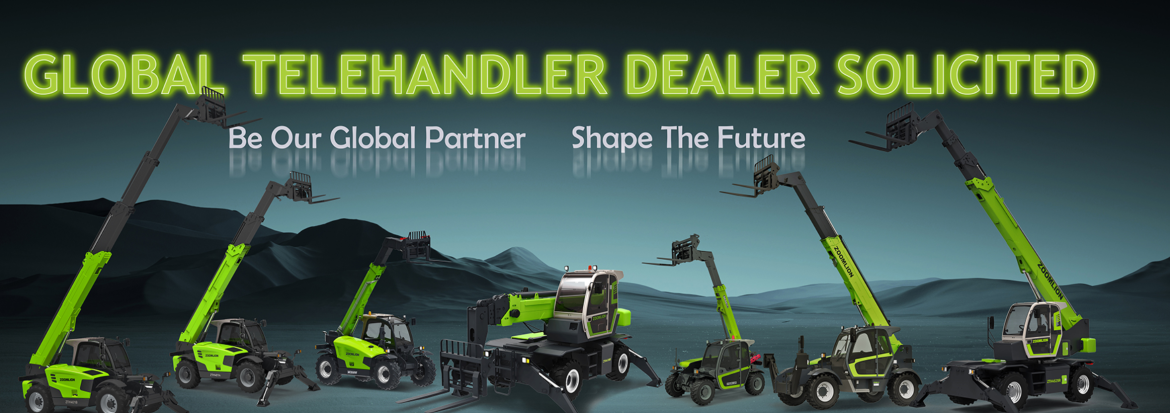
Your choice should match the job, not the other way around. Think of reach, capacity, and visibility as a triangle that must balance for every lift. When deciding, compare models across the spectrum of types of telehandlers by testing sightlines from the cab, confirming rated capacities at the reach you need, and ensuring attachments lock without play. Operators appreciate models whose ergonomics reduce wrist strain and whose charts are readable in dusty light.
Common mistakes operators and sites admit to
People repeat a few avoidable errors: assuming tires equal traction, overreaching without recalculating load, and skipping daily pins-and-pivots greasing. Mistakes often come from hurry or habit; offset them with simple policies—pre-shift signoffs, a single named operator per machine, and a culture where anyone can call a stop. These practical rules preserve calm at the lift point.
Field-proven adjustments from hard-working yards
Maintenance and alignment matter as much as rated figures. Experience from heavy-loading docks like the Port of Rotterdam shows that regular boom inspection, correct tyre pressures for uneven quays, and consistent telehandler parking practices dramatically reduce tip and snag incidents. Trust tools that come with clear service intervals and operators who keep logs; that pairing is the backbone of long, safe service life.
A brief comparative nudge for your shortlist
When you weigh models, prioritize these user-centered dimensions: operator sight, service accessibility, and proven stability systems. A machine with slightly lower nominal capacity but superior visibility and routine-serviceability will outperform a higher-rated unit that’s hard to maintain. Choose what your crew will use correctly every day rather than a spec sheet they can’t meet.
Final note — where competence and confidence meet
Safety settles where careful hands meet thoughtful machines; the right pre-deployment checks, chosen with the operator’s comfort and the site’s realities in mind, turn a risky lift into a quiet, reliable moment. That quiet confidence often finds its home in machines grown from transparent engineering and steady support, like those offered through Zoomlion Access, which pair reach and rigor so crews can work with less worry and more grace.