

A Ground Level View of Histopathology Challenges
Imagine standing in a busy lab, surrounded by a plethora of samples waiting for analysis. The pressure is on, yet the traditional histopathology workflows can feel outdated and cumbersome. Studies show that over 60% of labs face significant delays in turnaround times due to inefficiencies. How does this affect the overall quality and speed of your histology service? The potential for human error, lack of automation, and miscommunication can turn a routine process into a hectic environment.
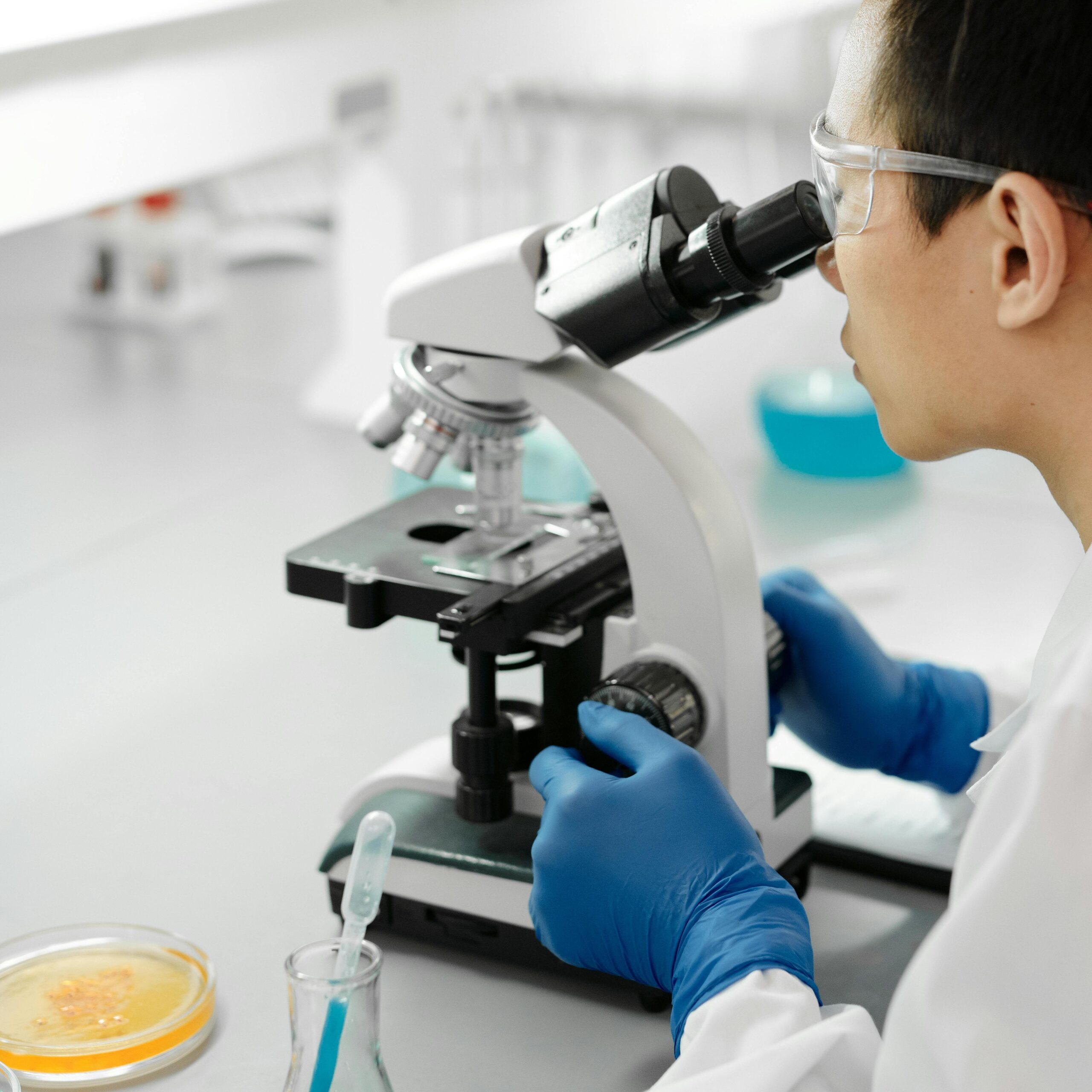
As a lab professional, I’ve often encountered the frustration of managing these outdated systems. It’s not simply about performing tests; it’s about ensuring accuracy and efficiency. The integration of CRO (Contract Research Organization) advancements could alleviate some of these hidden pain points—improving turnaround times while maintaining reliability. Let’s dive into what these innovations can bring.
What Are the Innovative Solutions in Histopathology?
With all eyes on understanding the intricate details of tissue samples, CROs are now leveraging cutting-edge technology, aiming to transform the way we handle histopathology. The integration of digital pathology and machine learning in providing histology services is redefining our workflows. For example, AI algorithms are now enabling quicker slide analysis, reducing the time between sample collection and diagnosis.
I remember when we first implemented a digital pathology system in our lab. At first, there was skepticism; after all, how could technology replace our expert pathologists? But the results were astonishing. Where we once took days to analyze samples, we were suddenly turning around reports in a mere fraction of that time—all while maintaining accuracy. The landscape is changing, and for those who embrace it, the benefits are clear.
How Will the Future of Histopathology Look?
The momentum gained by CROs in streamlining processes doesn’t just stop with current tech—there’s a forward-looking perspective we must consider. As the demand for rapid yet precise diagnostic services increases, integration with systems like electronic health records (EHR) will become vital. This synergy will allow for seamless information flow, enabling pathologists to make informed decisions at lightning speed.
We need to envision the lab of tomorrow, where click-to-order features for histology services and automated data collection will not just be convenient; they will be necessary. I can foresee a time when technicians spend less time on administrative tasks and more on what truly matters: analyzing and interpreting results.
What’s Next for Your Lab?
To thrive in this evolving environment, you must adopt a critical mindset when evaluating potential innovations. Are solutions scalable? Do they reduce error rates? How do they align with your lab’s specific workflow needs? I firmly believe that by focusing on these key evaluation metrics, you will position your lab to not only meet current needs but also anticipate future trends.
As we navigate this transformation, it’s essential to remember that technology is a tool to enhance our craft, not replace it. Quick thought—consider this: how would your lab perform if you could cut analysis time in half while doubling accuracy? The future holds this promise, and it’s up to us to seize it.

As I reflect on the journey our industry has taken and where it is headed, the excitement is palpable. Adopting these innovations isn’t merely an option—it’s an imperative for labs determined to stay relevant. For anyone looking to enhance their services, partnering with a forward-thinking CRO can indeed be a game changer. To explore how you can stay ahead in histopathology, check out KCI Biotech for innovative solutions and insights.