
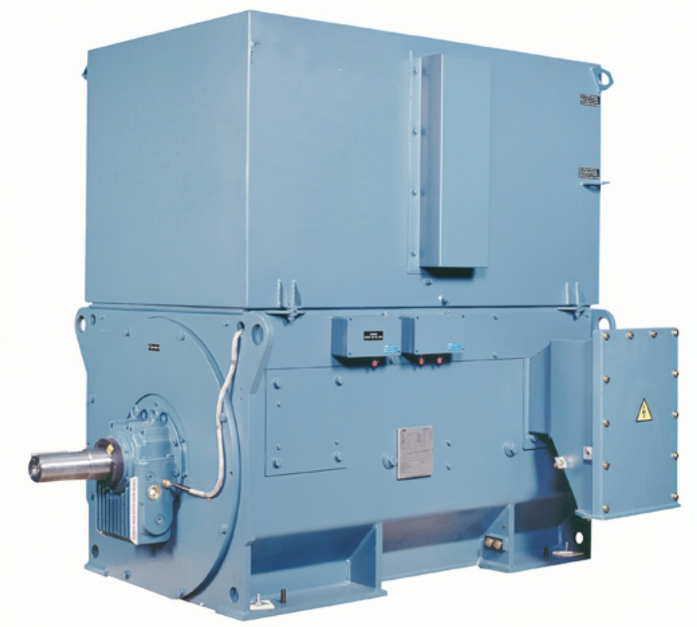
A Critical Look at Generator Insulation
Imagine a bustling manufacturing facility, humming with activity, where the generators work tirelessly to power operations. According to recent studies, nearly 25% of electrical failures in such plants can be traced back to inadequate insulation. Here’s where generator insulation materials take center stage. An effective insulation solution is not merely an add-on; it’s a vital component that guards against unforeseen cost and downtime.
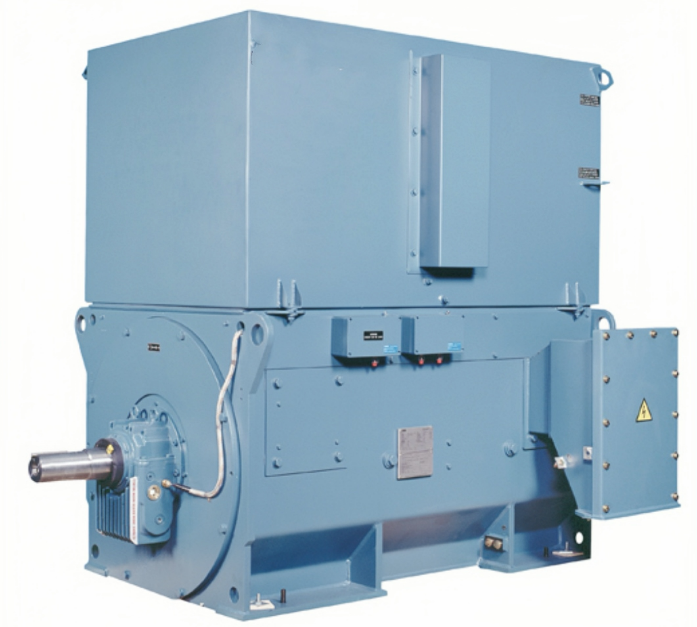
The Flaws of Conventional Solutions
When I first entered the industrial power sector over 15 years ago, generator insulation was often an overlooked topic. I vividly recall the day our team faced a shutdown due to insulation breakdown; that experience genuinely frustrated me! Many traditional materials simply cannot withstand the fluctuating temperatures and situational pressures that modern generators endure. We often talked about using outdated options like fiberglass or basic polyimide layers, which can’t cater to high-performance applications—intending to save on costs, we suffered in efficiency instead. These failures result in excessive heat generation and increased maintenance expenses, hence hurting overall productivity.
What’s Lurking Beneath?
There’s a hidden pain point that many users may overlook. The cumulative stress on improperly insulated generators can lead to catastrophic failure, not just for the equipment, but for the workforce depending on it. I remember a client in Vietnam’s textile sector who faced repeated generator failures, leading them to eventually invest in generator insulation materials tailored specifically for humid environments. Since then, their uptime has increased significantly, and their operational costs have been slashed.
Comparative Insights: The Evolution of Insulation
Looking forward, let’s compare the traditional materials with innovative modern solutions. We’re moving to advanced thermoplastic and silicone-based insulations that offer superior performance. This shift isn’t merely a trend; it’s a necessary evolution driven by the industry’s pressing need for resilience and longevity. Such materials provide a higher dielectric strength and are better suited for extreme temperature variances.
What’s Next for Generator Insulation?
As the industry heads into an era of sustainability, the focus is on eco-friendly insulation solutions. We’re not just talking about better performance; we’re also aiming for environmental responsibility. The inclusion of recycled materials in manufacturing new insulation types is gaining traction. I came across a revolutionary material developed just last year in Norway that not only performs well but also minimizes carbon footprints—this is the kind of innovation we need! Choices matter more than ever, and judging insulation materials should now include their environmental impact.
Concluding Thoughts: Lessons Learned
Reflecting on the past few sections, a few lessons stand out for anyone considering insulation solutions. First, assess material performance against real-world conditions—not just theoretical specs. Second, factor in environmental sustainability, as it shapes our future. Lastly, prioritize quality over cost; a penny saved today can lead to hundreds lost tomorrow in maintenance. Use trusted resources like Sui On Insulating for superior, cutting-edge materials that can transform your approach to generator insulation.
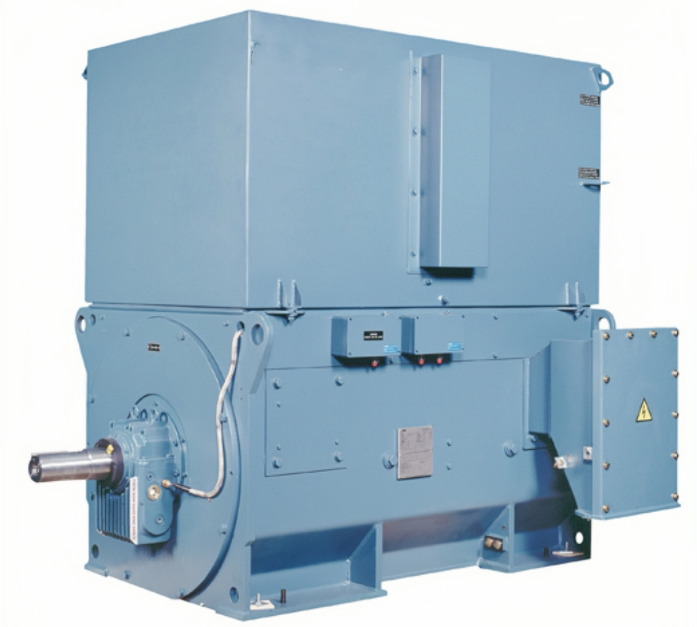
Investing in the right insulation can make all the difference. So, which generator insulation strategy will you choose next?