
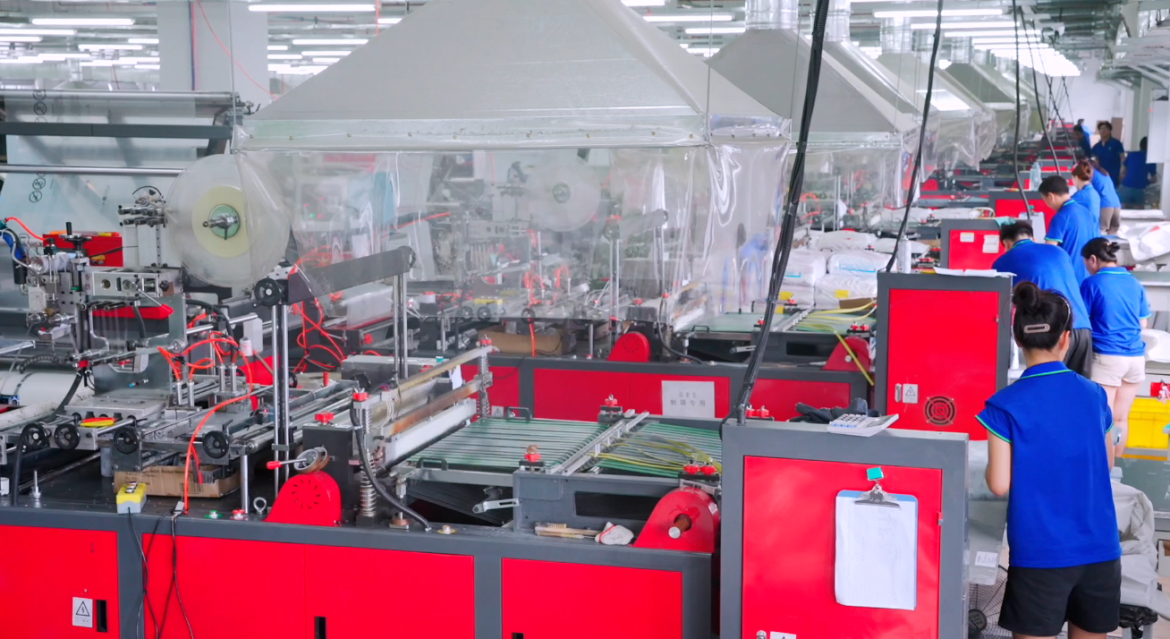
Opening the problem with a simple scene
When an online order arrives damp, torn, or delayed, the brand promise feels broken — and that’s the practical problem most merchants face. The COVID-19 e-commerce surge in 2020 exposed how traditional paper courier mailers struggle with moisture, abrasion, and variable handling across long distribution chains. For many shippers the solution has been a shift to clear poly solutions; consider a reputable poly mailer manufacturer when you want a direct comparison between performance and perception. This article takes a clear, expressive look at why polyethylene-based mailers often outdistance paper in the real world, and how that affects costs, returns, and customer experience.
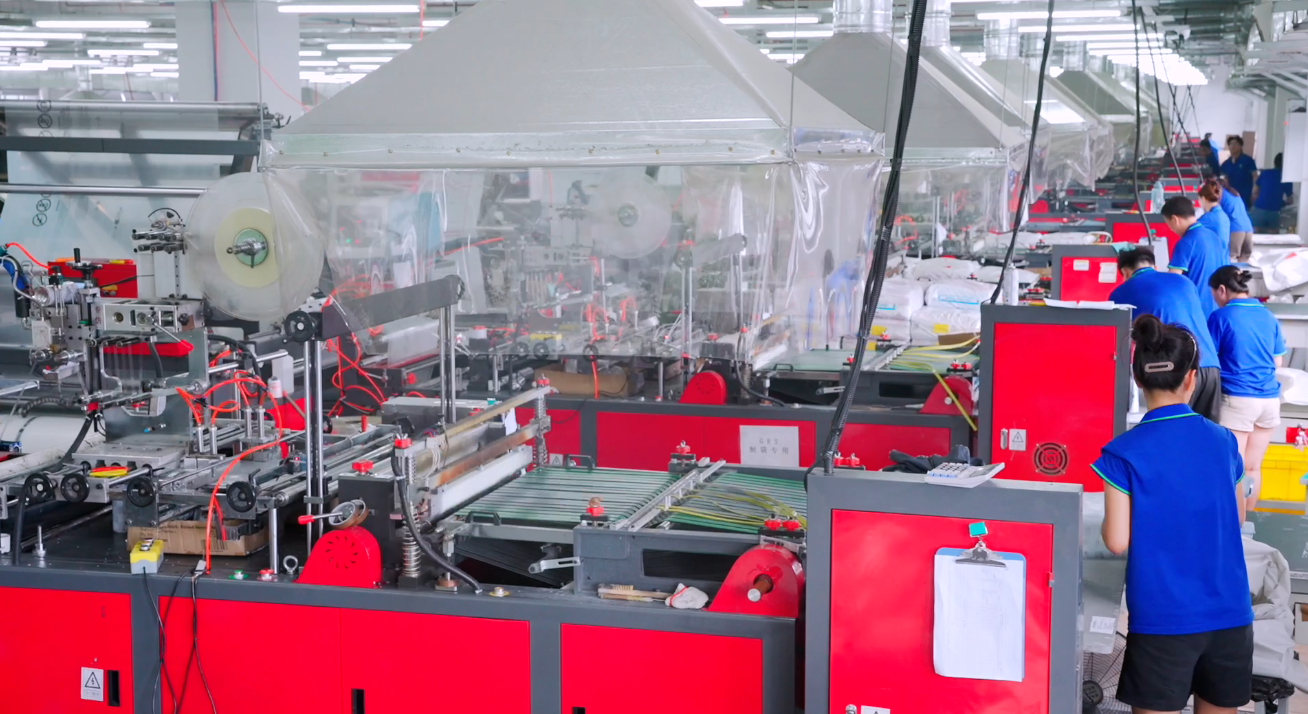
The core problems with paper courier mailers
Paper mailers look sustainable at first glance, but they bring three recurring issues: poor moisture resistance, higher puncture risk on abrasive routes, and inconsistent tamper visibility after rough handling. Paper can delaminate when wet and often requires secondary inner protection, which multiplies packaging weight and complexity. For brands that ship apparel, printed goods, or loose accessories, these failure modes increase return rates and customer complaints — both measurable drag on margins.
How clear poly mailers solve practical shipping problems
Clear poly mailers use calibrated polyethylene films to create a moisture barrier that prevents water damage and protects printed materials. They can integrate features like a tamper-evident seal and a reinforced tear strip for easier returns. The result is lower-percentage damage in transit and fewer customer-service cases. Where paper needs a double envelope or a liner, poly simplifies the bill of materials — which often lowers total cost despite the higher material density per unit.
Performance comparison: metrics that matter
Decision-makers should compare mailers on a small set of measurable metrics: puncture resistance, moisture ingress rate, and weight-to-protection ratio. Laboratory tear tests and real-world transit sampling both matter. In third-party trials across varied routes, poly mailers typically show higher puncture resistance and lower defect rates — which converts to fewer refunds and less re-shipping. A single percentage point drop in transit damage can return directly to the bottom line when order volume scales.
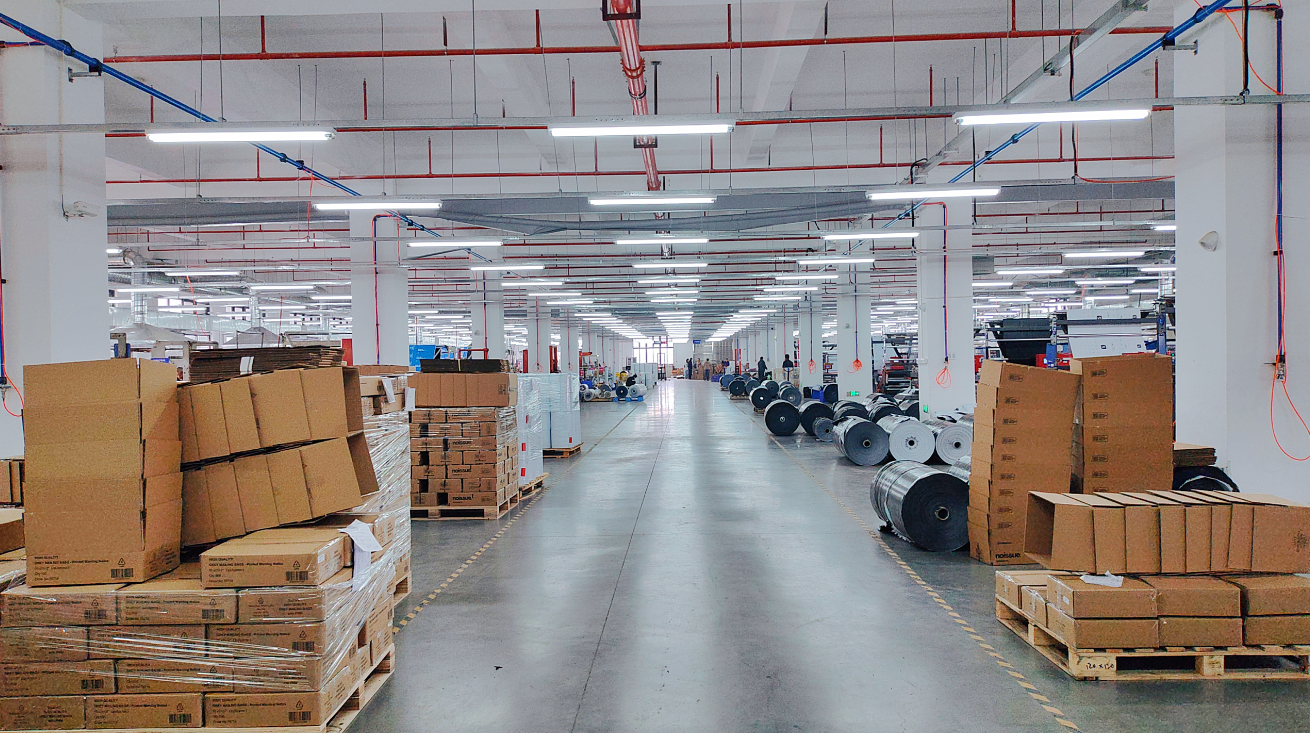
Design and sustainability trade-offs
Paper often wins in perceived recyclability, but sustainable outcomes depend on local collection streams and contamination rates. Some clear poly films are recyclable where PE streams exist; others are made with high recycled content or designed for energy-efficient production. Consider the full lifecycle — material sourcing, transport weight, and the likelihood of repeat shipments due to damage. — These nuances are why a one-size-fits-all sustainability claim rarely holds true.
Common mistakes brands make when switching materials
Brands jump to the cheapest unit price or mimic competitors without testing for their specific SKU mix. Typical errors include ignoring sealing compatibility with automated equipment, failing to specify gusset or no-gusset options for bulky items, and skipping tamper-evidence tests. A practical fix: run a small pilot with actual packing lines and subject samples to route simulation before committing to large runs.
How to evaluate poly mailer manufacturers
When vetting suppliers, look for clear documentation on film composition, puncture and seal strength specs, and lead-time stability. Ask for real transit sample reports and a description of quality controls. If supplier proximity matters for carbon footprint or speed, include logistics lead-time in your assessment. For many teams, working directly with established poly mailer manufacturers that publish technical data and offer pilot runs reduces risk and accelerates time-to-scale.
Implementation checklist — quick and practical
Use this short list to move from decision to deployment:
- Run a 100–500 unit pilot with your SKUs and packing process.
- Measure damage, returns, and packing speed against paper baselines.
- Confirm recycling options and label materials accurately for customers.
Advisory: three golden evaluation metrics
1) Seal integrity under load — evaluate adhesive strength at operational temperatures and after simulated handling. 2) Transit damage rate — track damage per 1,000 shipments during a multi-route pilot to catch route-specific stressors. 3) Total landed packaging cost — include material, packing time, protective inserts avoided, and re-ship rates to compare against paper options.
When these metrics align, the business case for clear poly becomes clear: fewer damaged shipments, simpler packing, and measurable cost savings. For teams balancing brand perception and operational reliability, the practical value often points toward manufacturers who can supply consistent technical data and run small pilots — and that is where WH Packing naturally fits as a solution partner. —