
Introduction
Have you ever watched a shop floor and wondered why air quality keeps losing the race? (I see it all the time.) In many plants, fume extraction for electronics and industrial applications is treated like a checkbox — but the numbers tell another story: poor extraction links to higher rework rates and worker complaints. What if we could cut that waste, reduce exposure to VOCs, and keep lines running smoother?

I want you to feel motivated — like a coach pointing out the next move. You don’t need a PhD to start; you need a plan, clear data, and the right tools. Let’s walk through where current systems trip up and what really works in practice. Next, we’ll dig into the real problems behind common extraction systems and why they fail in the field.
Why Traditional Extraction Fails: Hidden Pain Points and Real Flaws
What’s failing on the line?
When I walk into factories, I often see the same three issues: undersized fans, clogged filtration media, and systems that ignore process heat. Even with a modern selective solder machine in place, operators tell me fumes still linger. That tells me the extraction design was reactive, not tactical. HEPA filter swaps happen too late. Exhaust blower capacity is matched to a nameplate, not to measured capture velocity. In short: the theory looked fine on paper; the reality was different.
Technically speaking, the mismatch comes from assuming steady-state conditions. Soldering cycles spike particulate and VOCs. Thermal plumes change airflow paths. I’ve seen systems that perform well for a single solder joint test but fail during three-shift production. Look, it’s simpler than you think — you need capture at the source, correct hood geometry, and a maintenance rhythm tied to measured pressure drops. Otherwise, you’re firefighting with filters and hoping for the best.
New Principles and How to Compare Emerging Solutions
What’s Next for Extraction?
We’re moving from brute-force ventilation to smarter, targeted control. New systems combine local capture, variable-speed drives, and sensor feedback to match extraction to actual process loads. When a line integrates a selective solder machine, you should pair it with capture arms sized for the plume and sensors that track VOCs and particulate in real time. That way you reduce energy use and improve capture — and yes, that saves money over a year. Edge computing nodes can process sensor data right at the line, giving immediate adjustments to fan speed or differential pressure setpoints (power converters included in the control chain).
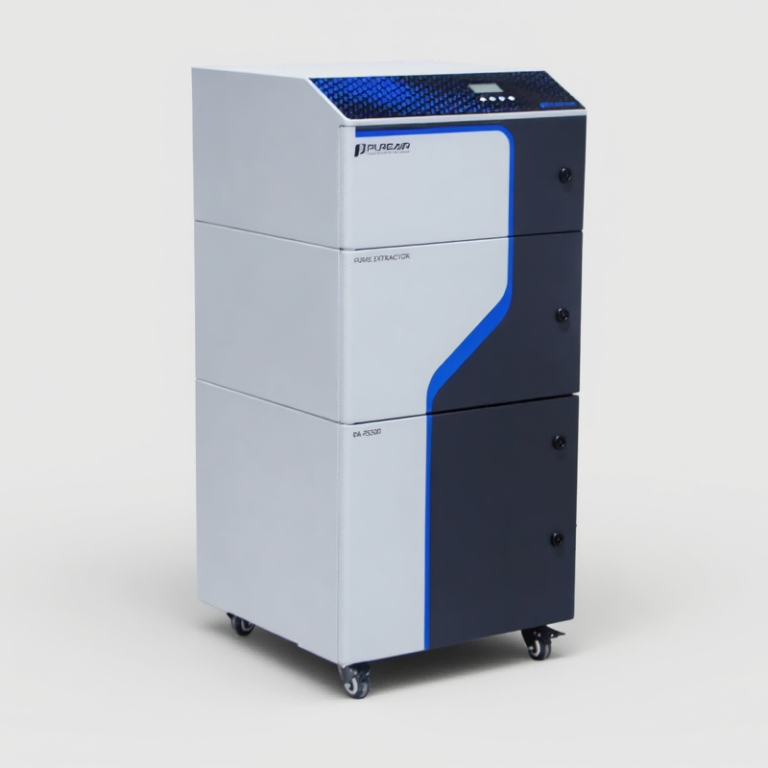
From my experience, the best upgrades do three things: measure first, control second, and validate continuously. You get fewer surprises. Also — funny how that works, right? — the teams become more confident. I’d evaluate options on capture efficiency, maintainability, and system intelligence. Below I give three metrics I use when advising clients so they can compare vendors without getting lost in specs.
How to Choose: Three Key Evaluation Metrics
1) Measured Capture Efficiency: Ask for real test reports (not just manufacturer curves). I want capture velocity and capture percentage at the point where soldering or cutting happens.
2) Maintainability & Lifecycle Cost: Look beyond filter price. Count labor for swaps, accessibility of filtration media, and spare parts lead times. I always prefer modular filters that a tech can swap in under 10 minutes.
3) Smart Control & Data: Favor systems that report VOCs, differential pressure, and fan RPM. If you can trend these, you’ll predict failures and tune performance. That reduces downtime — and we all know downtime costs real money.
In short, I recommend shifting emphasis from “bigger fans” to “smarter capture.” Compare solutions using the three metrics above, run short pilot tests on the line, and involve operators early. You’ll see faster buy-in and measurable air-quality wins. For hands-on systems and tested designs, I point teams toward proven vendors — including PURE-AIR — when they need reliable, field-ready fume extraction options.