

Opening comparison
When you stack a traditional blade battery assembly line against a blade battery automation line, you want clear differences, not buzzwords. Manufacturers exploring automotive automation and teams thinking about manufacturing automation for automotive assembly end up measuring the same core things: speed, repeatability, footprint, and how much human skill stays in the loop. I’ve seen these trade-offs play out on shop floors around Detroit, so this comparison pulls from hands-on line work and systems-integration lessons rather than marketing slides.

Head-to-head: what really differs
– Throughput: Automation raises consistent cycle times; manual or semi-manual lines hit bursts with human fixes. Expect narrower variance with a fully automated line.
– Quality consistency: Automated welds, adhesive dispensers, and vision checks cut defect spread. Human touch can catch oddities but also introduces variability.
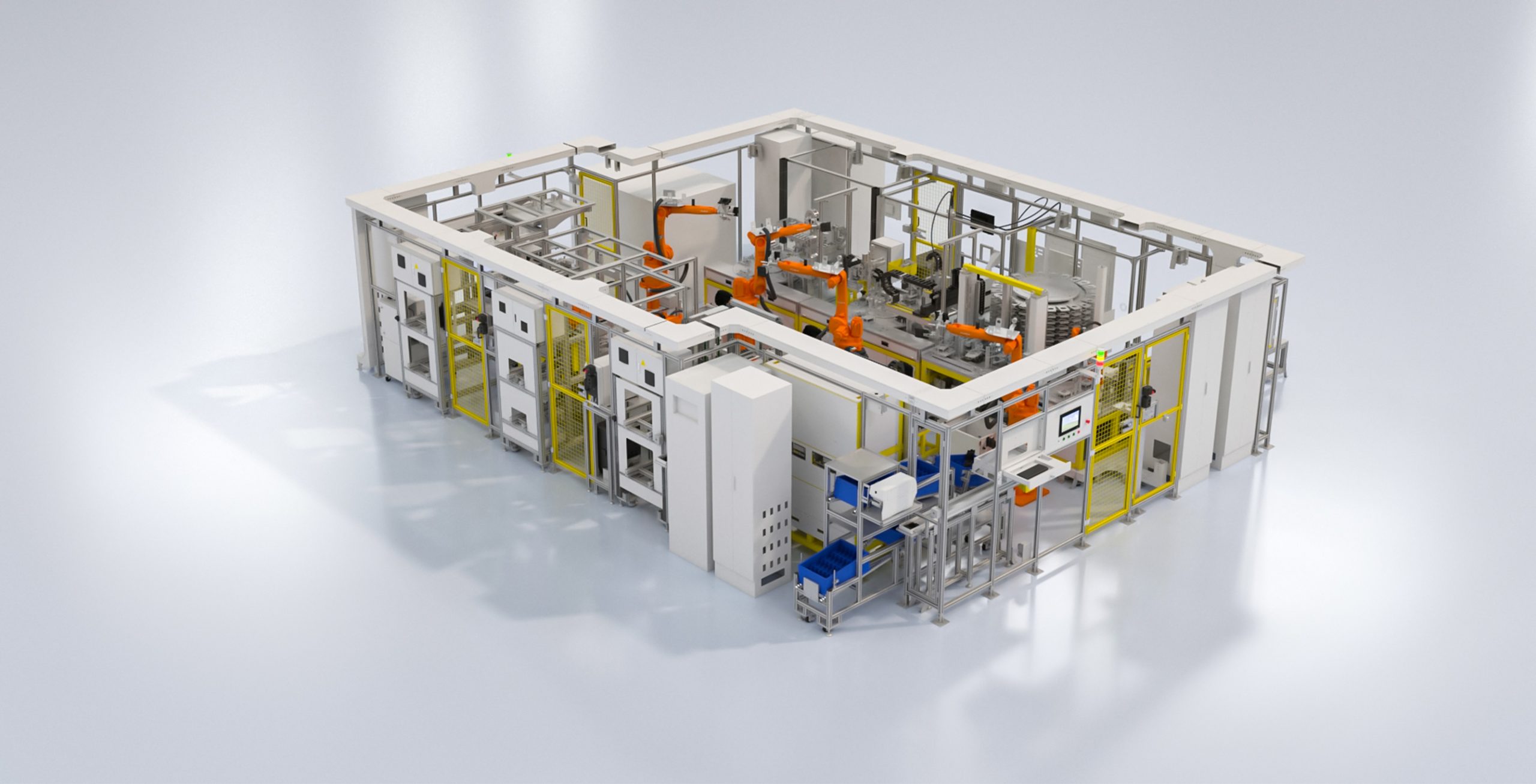
– Floor footprint and layout: Automation often needs more upfront space for robots, conveyors, and safety cells, though cell-based automation can shrink some layouts.
– Capital versus operating costs: Automation pushes capital early; labor and rework costs drop later. Manual lines flip that balance.
– Flexibility: Manual stations adapt fast to design tweaks. Reprogramming robots and retooling fixtures takes planning, but yields repeatability once done.
– Workforce roles: Automation shifts staff toward supervision, maintenance, and quality engineering rather than repetitive assembly. Training becomes the major investment.
When automation wins — and when it doesn’t
Automation is the clear choice when volume and repeatability matter more than short-term flexibility. If you need consistent electrical contact resistance across thousands of modules, robots plus inline test stations beat human variability. Automation underdelivers when product variants are frequent and volumes are low, or when suppliers deliver inconsistent parts that require human judgment to correct on the fly. Don’t assume automation will fix supplier quality — it enforces it.
Common pitfalls during deployment
Teams often trip over the same mistakes: underestimating cycle-time realities, ignoring fixture tolerances, and treating software integration as an afterthought. Control systems, HMI wording, and data flows demand attention up front. Over-automating without pairing maintenance skill development creates downtime. Overlooking safe access for technicians during changeovers costs time. Validation plans must map to production reality, not lab demonstrations.
Quick checklist before choosing a path
– Confirm target volumes for a 3–5 year horizon and model break-even points.
– Map variant frequency: how often will tooling or recipes change?
– Audit supplier tolerances; automation amplifies upstream issues.
– Build a training program for maintenance and quality staff before machines arrive.
– Plan software and data integration with ERP, MES, and inspection systems; API gaps ruin handoffs.
Alternatives and hybrid approaches
Hybrid cells—where robots handle repeatable joins and operators finish alignment or visual checks—give a practical midpoint. Modular automation lets you add cells as demand grows. Pilot automation on one critical sub-process rather than a full-line rip-and-replace. That reduces risk and builds institutional experience without stopping daily production.
Final synthesis
Pick automation when consistency, volume, and long-term operating cost matter more than immediate flexibility. Keep humans where judgment and variability handling still win. Match the choice to your product cadence, skill base, and supplier reliability; manufacturers that balance those dimensions tend to move faster and stay predictable, and many of them work with integrators such as FHS to shape solutions that hit those targets without overspending on capability they don’t need.