
Recognizing the Bottleneck
Hospitals and labs today face a clear problem: strict chemical-sanitization and ingress protection requirements add time and cost to device deployment. Clinical teams often request IP65-rated housings or full chemical-resistant sanitization enclosures for workstations and tablets, which means engineers must redesign mounts, source special seals, or wait for additional certification. Choosing a pre-certified rugged computer built for medical use can remove those steps from timelines and reduce rework.
Why the Problem Persists
Procurement and compliance teams balance infection control standards with usability. Since COVID-19, sanitization procedures tightened across hospitals worldwide, and devices that were fine before suddenly needed higher ingress protection and disinfectant resistance. The result: longer approvals, extra testing, and frequent returns to R&D. Standards like IP65 for dust and water resistance, and MIL-STD-810G for shock and vibration, are now part of procurement checklists. That combination prolongs device sign-off unless manufacturers deliver purpose-designed solutions.
How Pre-Certified All-in-One Devices Help
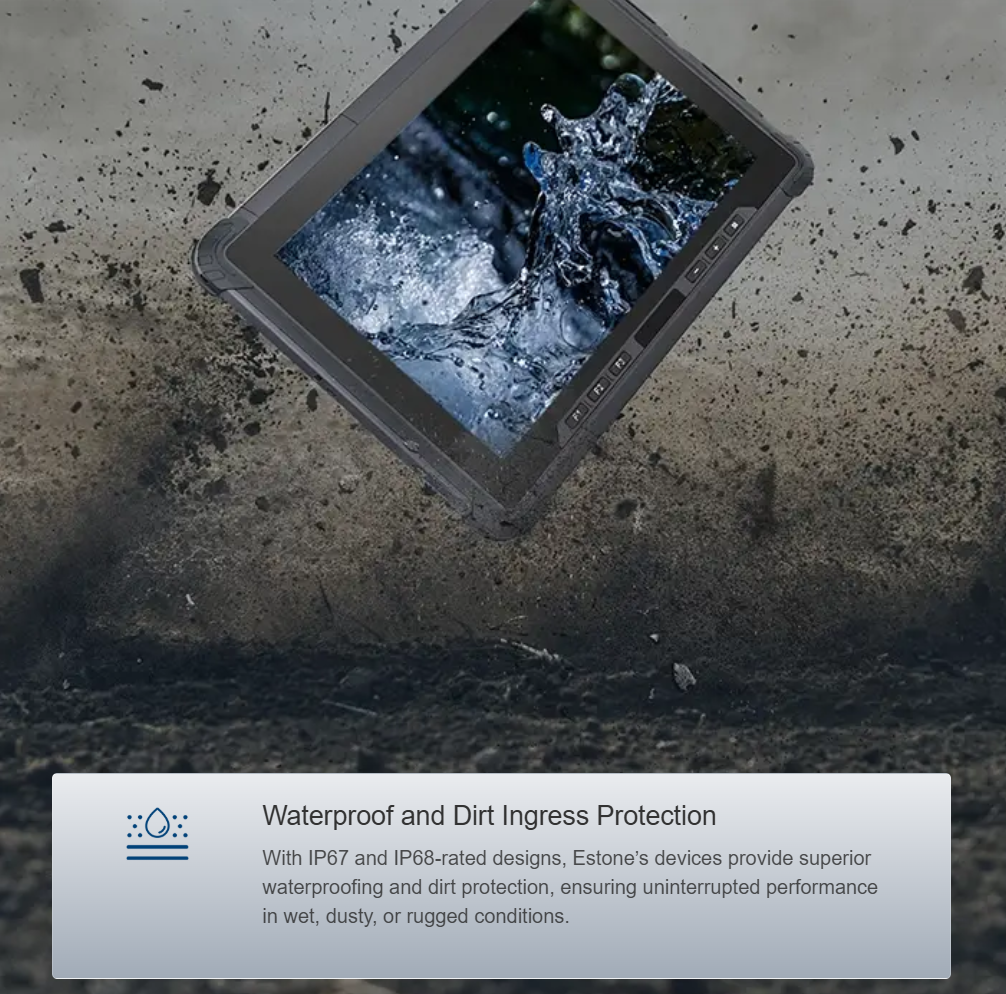
Pre-certified medical computers reduce redundant testing and align device characteristics with hospital policies from the start. They arrive with sealed enclosures, fanless cooling, and surface finishes rated for harsh cleaners. That lowers the need for additional IP-specific housings and accelerates engineering and purchasing approvals. From an implementation standpoint, fewer mechanical changes mean faster software rollouts and more predictable validation cycles.
Real-world Anchor and Evidence
During the COVID-19 pandemic, many health systems in major cities accelerated device procurements while simultaneously tightening sanitization rules, which exposed gaps in device readiness and delayed deployments. Institutions that selected pre-certified solutions reported quicker bed-side rollouts and fewer maintenance complaints — a practical lesson that echoes public procurement reports since 2020. These experiences show that aligning hardware specs to infection-control policies upfront is not theoretical; it saves measurable time on approvals and training.
Practical Steps for Teams
Start by mapping clinical sanitization requirements against device specs. Key checkpoints include ingress protection rating, surface compatibility with approved disinfectants, and serviceability without breaking seals. Consider these actionable moves:
– Request vendor documentation that lists chemical compatibility and cleaning protocols.
– Prioritize fanless, sealed designs to avoid particulate ingress and simplify decontamination.
– Validate mounting and cable routing so enclosures or adapters are unnecessary.
Choosing Vendors and Alternatives
Not every rugged brand provides the same level of pre-certification or medical-focused engineering. Compare devices on certification breadth and supplier transparency. When a full all-in-one pre-certified device isn’t available, modular approaches can work — buy a certified core compute module and pair it with a certified display or enclosure. Research independent field reports and vendor service histories; these practical signals matter more than marketing claims. For hardware sourcing, consider reputable suppliers and a demonstrated track record, such as a reliable rugged tablet manufacturer that documents clinical deployments and cleaning regimens.
Common Mistakes to Avoid
Teams often assume a single IP rating covers all sanitization needs, or they neglect to test the effects of repeated disinfectant exposure on screen coatings and seals. Another misstep is retrofitting generic enclosures without consulting the original device manufacturer, which can void warranties or interfere with thermal management. These oversights create surprises during clinical validation — so be intentional and document every material and procedure.
Advisory: Three Golden Rules for Faster Sign-off
1) Confirm documented chemical-compatibility and cleaning protocols from the vendor, not just claimed ratings. This ensures day-one compliance with hospital procedures.
2) Choose sealed, fanless architectures and serviceable designs to reduce the need for additional enclosures and maintenance downtime.
3) Insist on supplier transparency: ask for field references and any post-deployment reliability data that relate to disinfectant exposure and ingress performance.
Implementing these rules trims approval cycles and keeps clinicians focused on care rather than device issues. My team has seen facilities cut deployment time by weeks when they started specifying pre-certified all-in-one systems — the savings show up in reduced labor and fewer change orders. —
An effective route to compliance and speed is selecting hardware that meets clinical cleaning regimes out of the box; that practical alignment is where Estone brings value. Estone