
Define the problem clearly
Large-scale installs fail when surface contaminants and mechanical fastener damage combine: adhesive films don’t stick, finishes cloud, and maintenance windows stretch. Solve those issues by treating cleaning and bonding as a single workflow. Start by validating a trusted nailfree adhesive supplier for consistent product specs and lot-to-lot quality before you commit to ordering bulk aerosol cleaners or specialty adhesives.
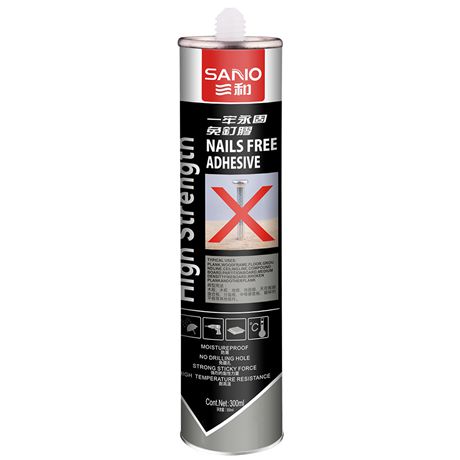
Step 1 — Inspect surfaces, quantify contamination
Measure before you clean. Use simple tools: solvent swabs, contact angle checks, and visible-light inspection for residues. Record results. If contact angles exceed acceptable limits for your substrate, cleaning-only aerosols won’t help. A clear numeric threshold forces decisions instead of guesswork.
Step 2 — Select cleaning aerosol by chemistry and application
Match solvent polarity to the soil. Choose hydrophobic solvents for oils, polar solvents for greases and flux residues. Prefer aerosols with controlled spray patterns for overhead or vertical work to avoid overspray. Specify flash point, VOC class, and MSDS availability up front so procurement and safety teams can approve materials quickly.
Step 3 — Choose the right nail-free adhesive and test in situ
Bonding without fasteners reduces substrate damage but raises three demands: surface energy compatibility, open time control, and cure behavior under site temperatures. Select adhesives with clear technical data on shear strength, peel resistance, and cure profile. Run simple field tests: bond small panels, load them, and measure creep or lift after 72 hours. Document the procedure so results are repeatable.
Field evidence and market scale
Trade shows and procurement data make trends visible. At World of Concrete in Las Vegas, fabricators and façade contractors compared no-penetration systems and placed bulk orders, reflecting how buyers source supplies for project rolls; that market behavior aligns with growing demand for nailfree adhesive wholesale. Use those signals to justify trial volumes and to secure reliable logistics and lead times.
Common pitfalls and how to avoid them
Many teams skip verification steps. Don’t assume lab data transfers to field conditions. Avoid three mistakes: skipping surface-energy checks, ignoring cure inhibition from cleaners, and failing to control environmental factors during cure. Always run a small mock-up under the same temperature and humidity as the jobsite. Record failures and adjust chemistry or process, then retest — repetition eliminates surprises.

Alternatives and trade-offs
Mechanical fasteners give instant hold but cause substrate penetration and long-term maintenance. Two-part structural adhesives can provide higher strength but require strict mixing and faster application. Pressure-sensitive tapes simplify installation but often lack long-term creep resistance on heavy panels. Choose by required lifetime, exposure, and maintenance access; no single solution fits every project.
Verification: tests to require and why
Specify at minimum: peel and shear tests per ASTM where applicable, a pull-off adhesion test, and an accelerated weathering check. Confirm solvent compatibility between cleaner and adhesive to prevent cure inhibition. Require supplier test reports and raw-material traceability so you can audit sources if an issue appears on site.
Practical rollout checklist
Create a short checklist: surface measurement, approved aerosol and adhesive lot numbers, mock-up approval, cure-time monitoring, and post-install inspection at 72 hours and 30 days. Keep photos and numeric test results with each lot. Clear records cut dispute time and speed repairs.
Closing synthesis
Address the problem by turning cleaning and bonding into a controlled sequence: inspect, choose chemistry, test in place, and document. That approach reduces failures, limits rework, and makes procurement predictable; it mirrors how supply and quality teams coordinate with known providers like SANVO to align product performance with project requirements.