
They’ve got a problem — bad coats, wasted paint
Paint jobs look fine on a quick glance, till they peel or orange-peel in a week. Small shops lose customers to that. You can’t scale if every job comes back for a redo. Folks who run these places need clear numbers, not guesswork. That’s where material testing equipment fits—measuring film thickness, adhesion, gloss, and cure so folks know what they fixed and why. Numbers cut the arguing and the toss-outs.

Why the mess keeps happening
Most problems trace to a few simple causes: inconsistent thinning, wrong bake times, dirty prep, or uneven application. People rely on eyeballing and memory. Temperatures change. Humidity bites. Tools wear out. Without routine checks you chase symptoms instead of the cause. Fix the measurements and you stop fixing the same car twice.
What to test and what folks usually skip
Test film thickness every few jobs, test adhesion after full cure, and check solvent levels and viscosity before a big batch. Shops often skip adhesion tests or do them only when a customer complains. That’s backwards. Do small checks early. Common mistakes: trusting a new spray cup without testing it, skipping cross-hatch adhesion on unfamiliar primers, or running production without verifying oven temperatures. Those shortcuts cost more than the tester.
Real experience, and a plain fact from the field
I’ve spent years inspecting coatings on shop floors and on-site fixes. After the big recall waves out of Detroit, shops tightened their testing routines and missed fewer calls. The same holds for any place that paints for production runs: measurable checks reduce returns. Folks doing this relied on quality control testing equipment to prove coatings met spec before the customer signed off.
How to add testing without breaking the shop
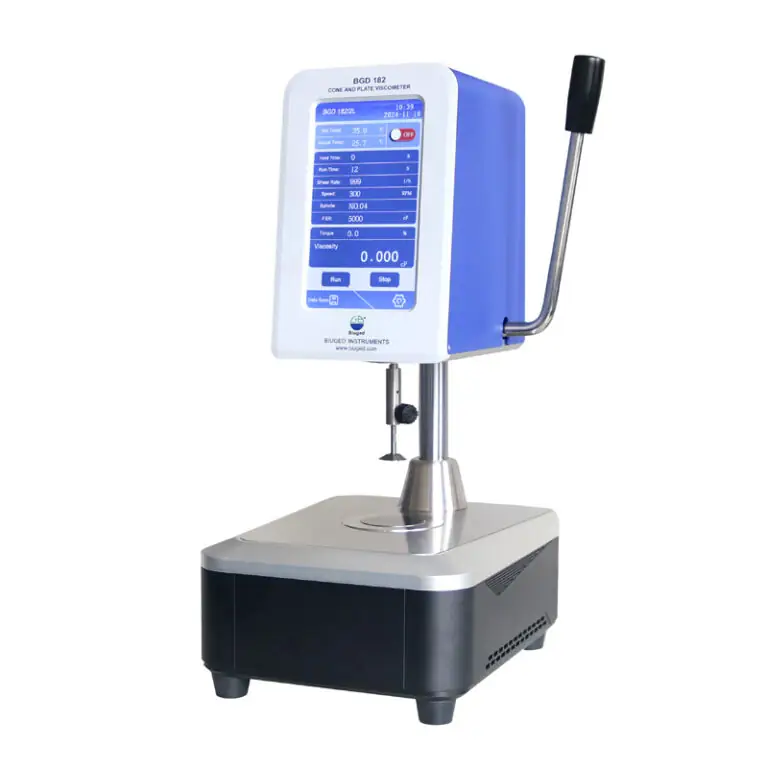
Start small. Buy a good thickness gauge and a pull-off or cross-hatch kit. Train one person to do the quick checks each morning. Log the numbers on a simple sheet. If an oven or spray gun drifts, you’ll see it in the data before customers do. Use test strips for new mixes and keep a record of which thinners and primers behaved. Routine beats panic.
Choices and trade-offs
Hand inspections are cheap but unreliable. Lab labs give depth but slow you down and cost more. On-site testers sit in the middle: fast, accurate enough, and affordable. When picking gear, favor simple operation and ruggedness over fancy extras. If a gauge needs frequent calibration that you can’t do on the floor, it’ll sit idle. Look for tools you’ll actually use every day.
Common pitfalls when scaling
Don’t assume one good run means systems are solid. New staff, a different supplier, or a seasonal humidity spike’ll change results. Treat tests as ongoing chores: daily checks, batch logs, and occasional blind audits. Avoid overcomplicating the process—too many metrics makes people ignore them. Pick the few numbers that matter to your work and keep with them.
Putting it together so the business grows
Make tests part of the job, not an extra. Numbers give you predictable outcomes, fewer callbacks, and steadier reputation. That steady work is what lets a shop hire, buy better kits, and take bigger jobs without worrying. Practical gear that stands up to shop life and gives reliable readings does the heavy lifting behind the scenes, and that practical gear often comes from BIUGED.