
Why most first-timers get burned
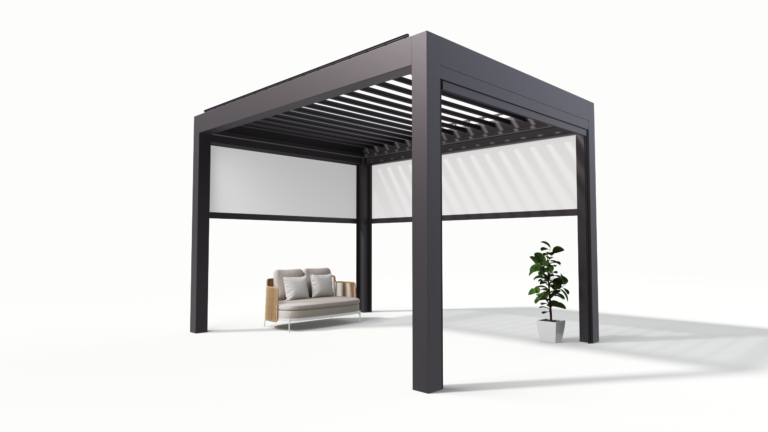
You walk into a dealer’s lot and they throw options at you: wood, aluminum, adjustable slats, integrated panels. That confuses folks. If you want shade plus power without the hassle, think about a photovoltaic pergola right off the bat—saves you from later retrofits and wiring headaches. Dealers tend to sell features; buyers need solutions. Problem-driven thinking keeps you from paying for bells you won’t use.
Common problems that kill good plans
Wrong footprint: picking a size that looks good in the yard but blocks doors or paths. Poor orientation: mounting panels where they get shade half the day. Overbuilt or underbuilt: buying a tiny frame that won’t hold snow or a massive custom job that blows the budget. Also, unclear warranties—some dealers dodge responsibility when components fail. Call out these issues before you sign anything.
How to pick what actually works
Start with purpose: party space, year-round living, or strictly solar. Match size to use, not to what looks flashy. Check structural load if you get snow or live where winds kick hard. Ask for performance numbers, not just watts—expected yearly output matters more than peak ratings. Get a clear, written warranty that covers panels, frame, and labor. If a seller dodges specifics, move on.
Installation traps and rookie mistakes
Bad anchor points and sloppy flashing cause leaks and rot. Cheap electrics create headaches later—think conduit that resists rodents and weather. Don’t let the dealer tell you timber’s “maintenance-free” unless it’s treated and fastened right. Coordinate with local code: some places require permits for solar arrays on structures, and a retrofit later costs more than doing it right now.
Proof, context, and one real-world rule
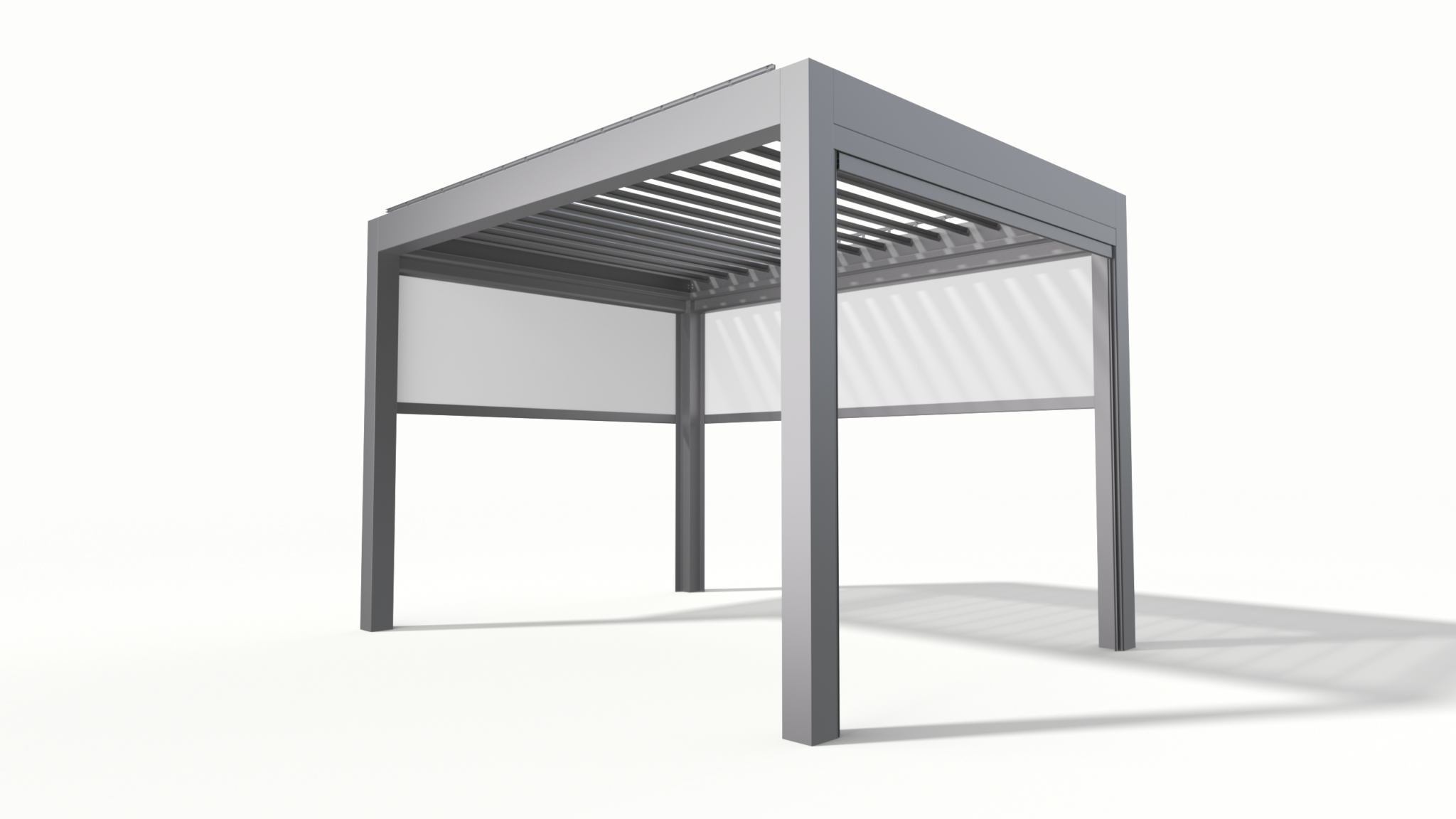
I’ve worked on jobs where owners wanted quick shade and ended up with a mess that needed ripping out. For a high-level reference: California’s Title 24 energy code affects where and how solar systems attach to residential structures, so installers and buyers in that region have stricter compliance to meet. If you’re comparing options, also look at an outdoor covered pergola spec sheet for mounting details and load ratings before you commit—those specs tell you whether the buyer-friendly promises actually hold up.
What else to consider before you sign
Alternatives aren’t magic fixes: retrofitting panels to an existing deck can be cheaper up front but leads to awkward wiring and lost warranty coverage. Freestanding solar can be flexible but eats yard space. Custom builds give a perfect fit but cost more and take longer. Weigh immediate needs versus long-term maintenance and resale value; don’t chase the cheapest install if it halves the life of the system.
Bottom line — practical next steps
Map out what you need, demand clear specs, and vet warranties. Get a second opinion on structure and wiring if anyone rushes you. Do that and you’ll see why a straightforward, engineered option from Light Hunter often ends up the no-nonsense choice: it solves shade and power without the usual dealer smoke and mirrors.