
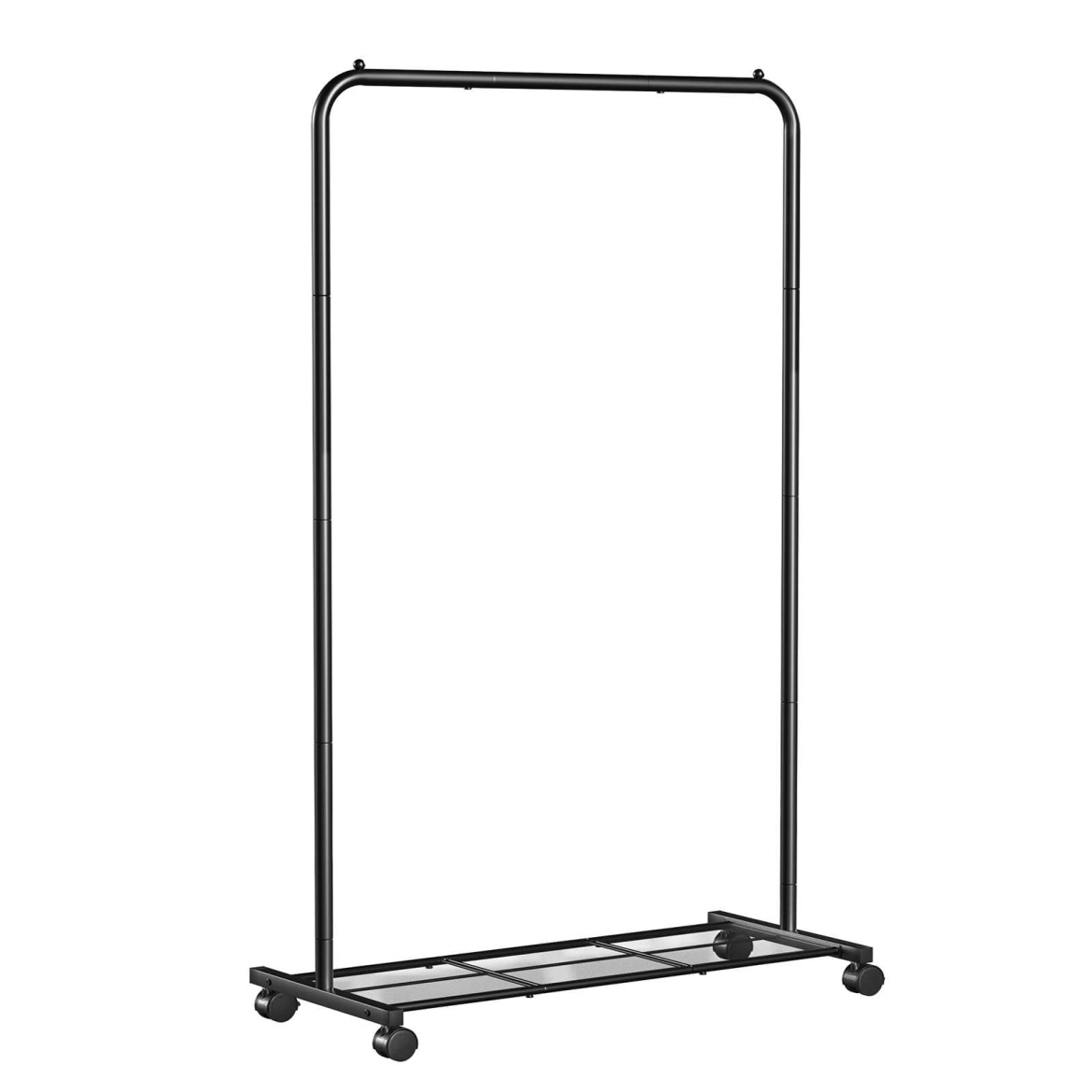
Introduction: The Comparative Stakes in Sourcing
Define the goal, then count the cost. A sourcing team rolls into peak season with a tight calendar, high freight, and a display reset due in six weeks. The choices hinge on a clothes rack manufacturer that can meet volume without eroding margin. The first fork in the road is simple: pick the lowest quote or choose a vetted clothes rack supplier who can manage quality, timelines, and delivery risk. Here’s the data point that matters: in hard goods, hidden costs can run 8–12% of unit price when you include rework, returns, and downstream handling. Now ask the practical question—what safeguards keep those costs from leaking out? In short, total cost of ownership depends on more than the PO. It rests on load rating specs, tolerances, weld integrity, and packaging design (yes, the box matters). The business case is clear; the decision still isn’t easy. Let’s walk through the deeper gaps, then compare what comes next.
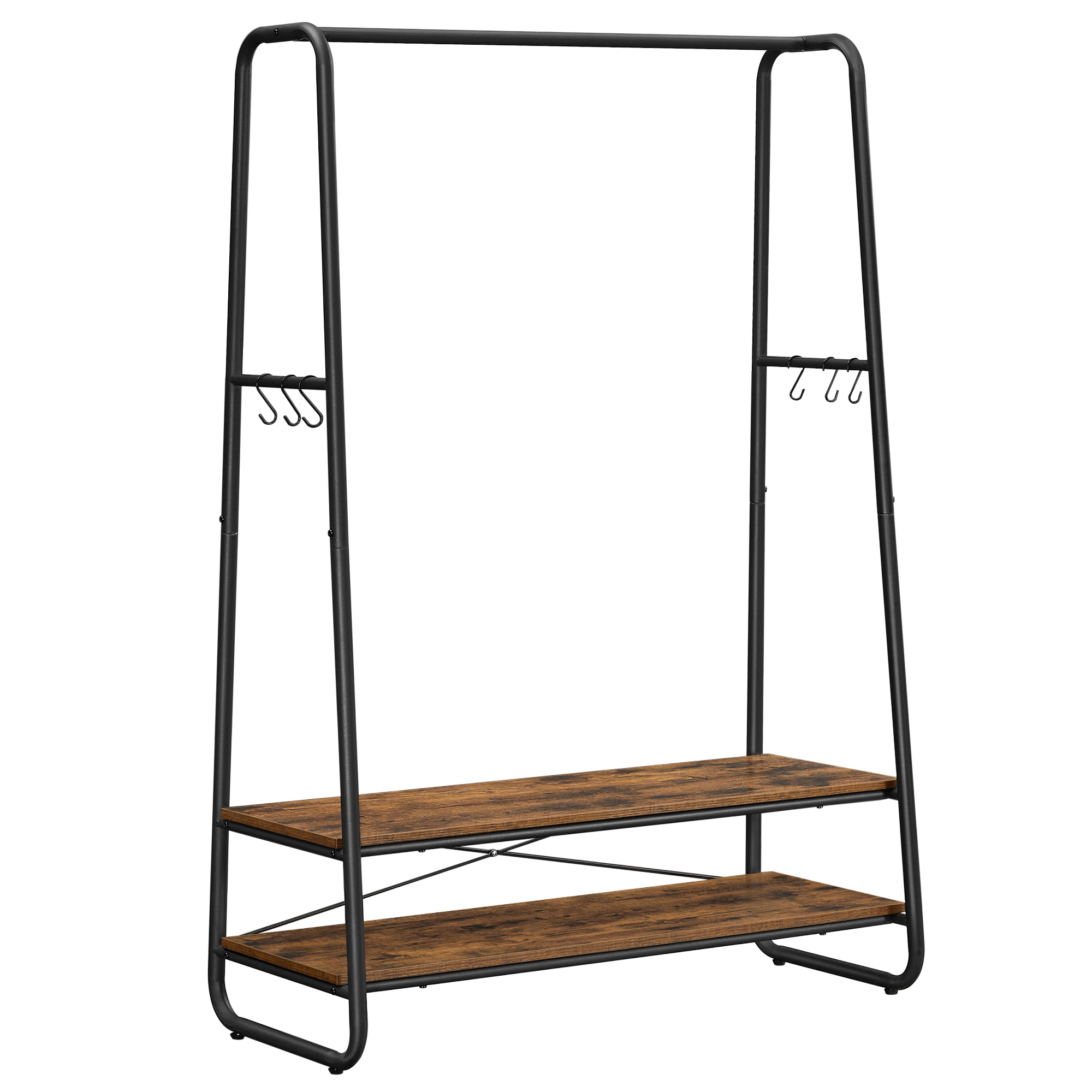
Hidden Gaps in the Usual Buying Playbook
What gets lost between quote and shelf?
Look, it’s simpler than you think: the cheapest quote is often the most expensive path. Traditional buying leans on unit price and an aggressive MOQ. But that view ignores lifecycle risk. Common misses include weak load rating validation, sloppy tolerances, and coatings that fail after two rounds of humid warehousing. A robust powder coating line and torque testing for joints reduce early returns, yet these controls rarely appear on the quote sheet. Another blind spot is assembly time. Knock-down packaging that cuts carton cube looks great for freight, but if a floor set takes 3 extra minutes per unit, labor costs spike fast across hundreds of stores. The remedy is design-for-assembly and clear torque specs for fasteners. Pair that with a QC sampling plan that tests crossbar deflection and weld pull strength, not just surface finish. Buyers chase pennies but overlook these dollars—funny how that works, right?
There’s also the real pain of downtime. When a batch arrives with skewed uprights or mismatched holes, the reset slips and lost sales follow. Traditional fixes—expedited parts, field rework—mask the root cause. Better is a supplier who documents incoming steel grade, uses cold-rolled steel where needed, and stabilizes fixtures to clamp variance. Packaging is a quiet hero: corner protection and anti-corrosion plating prevent transit rub and rust blooms, reducing damage claims. None of this is flashy, but it’s measurable. Build specs into the PO. Tie payments to first-article approval and load testing. And require traceability on critical welds. That’s how you convert a vendor into a process partner, not just a quote.
Comparative Outlook: Tech Signals and Practical Wins
Real-world Impact
The next wave of differentiation is less about shiny features and more about process telemetry. Factories that track coating thickness with inline gauges, log weld parameters, and store torque data create a usable quality record. When you buy garment racks wholesale, this record trims risk in three places: faster approvals, fewer returns, and easier vendor scorecards. Add carton engineering that models drop forces and optimizes cube without over-crushing parts. Layer in EDI for ASN accuracy, and you reduce chargebacks. One mid-size retailer shifted to vendors with documented first-article builds, tightened tolerances at joint interfaces, and updated their QC sampling plan to include dynamic load tests. Net result: claim rates fell 31%, while set-up time per bay dropped by 90 seconds. Small deltas at scale—big savings.
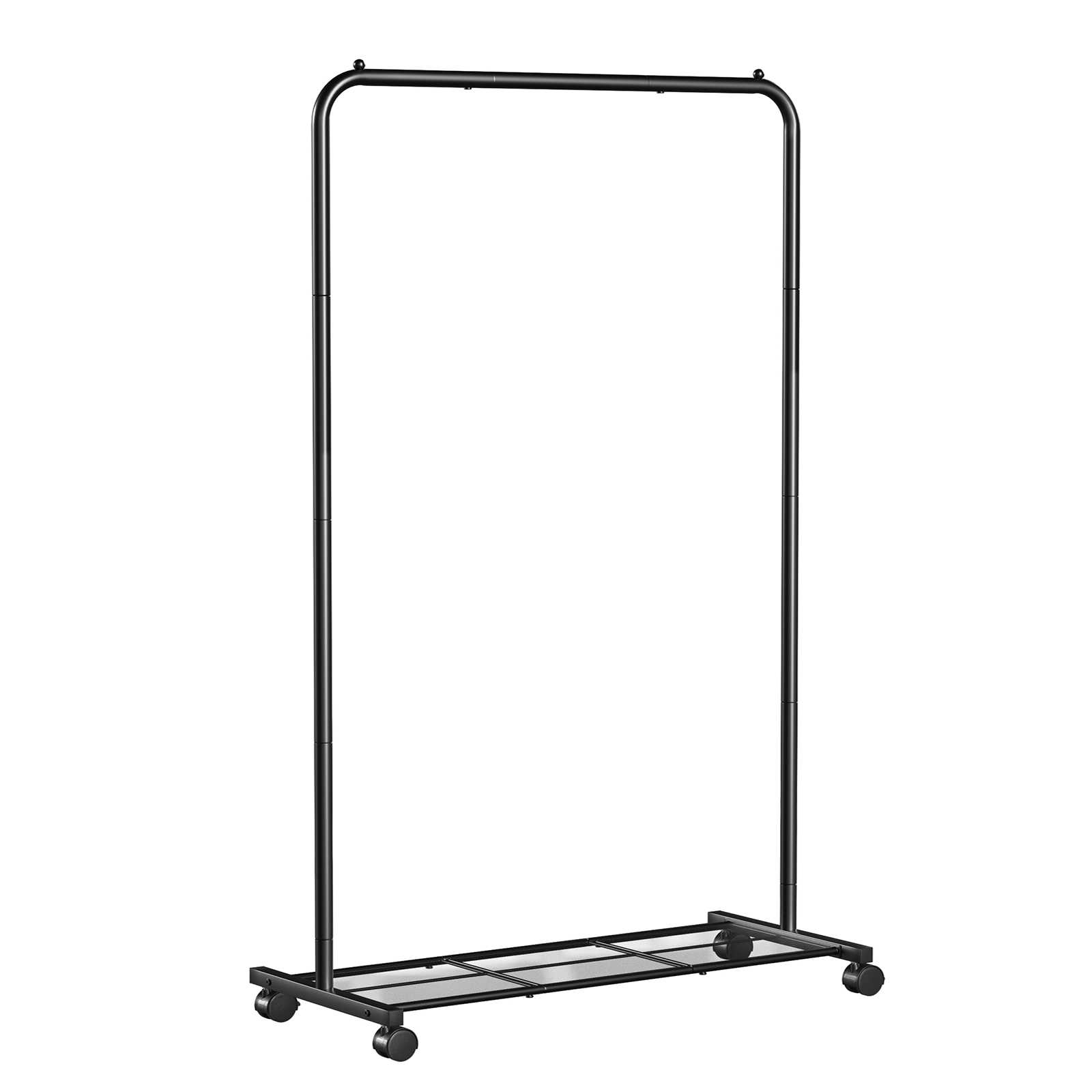
So how do you evaluate options without getting stuck in analysis? Use three metrics that map to outcomes: 1) Structural assurance: load rating proof, torque test data, and weld pull records tied to your SKU. 2) Speed-to-floor: measured assembly time and pass rate on first-article builds, noted in minutes per unit. 3) Resilience in transit: drop-test reports, carton edge crush values, and humidity exposure results. Compare suppliers against these, not just price. If two quotes are close, favor the one with stable process control and clear traceability—it’s insurance you can measure. Keep the tone pragmatic, keep the files tight, and keep resets on schedule. That’s the edge that turns inventory into sell-through, season after season, with a partner like SONGMICS HOME B2B.