
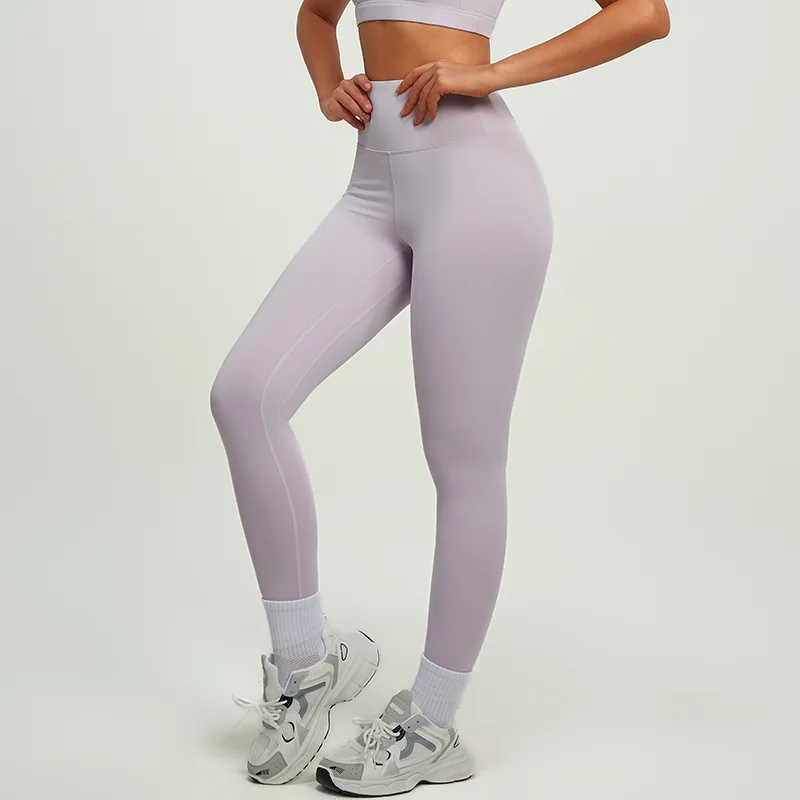
Why a comparative lens matters for custom yoga leggings
Choosing custom yoga leggings demands a practical comparison of design, fabric, and supply chain rather than marketing slogans. Start from the product needs—fit, fabric performance, and production rhythm—and measure suppliers on those axes. For many brands the distinction comes down to fabric specs such as moisture-wicking and four-way stretch, and the production habits of the chosen partner. Early in the sourcing conversation I recommend reviewing finished samples and wash tests for a realistic baseline — and if you want a working reference, look at suppliers offering turnkey lines like custom yoga leggings that document material composition and construction details.
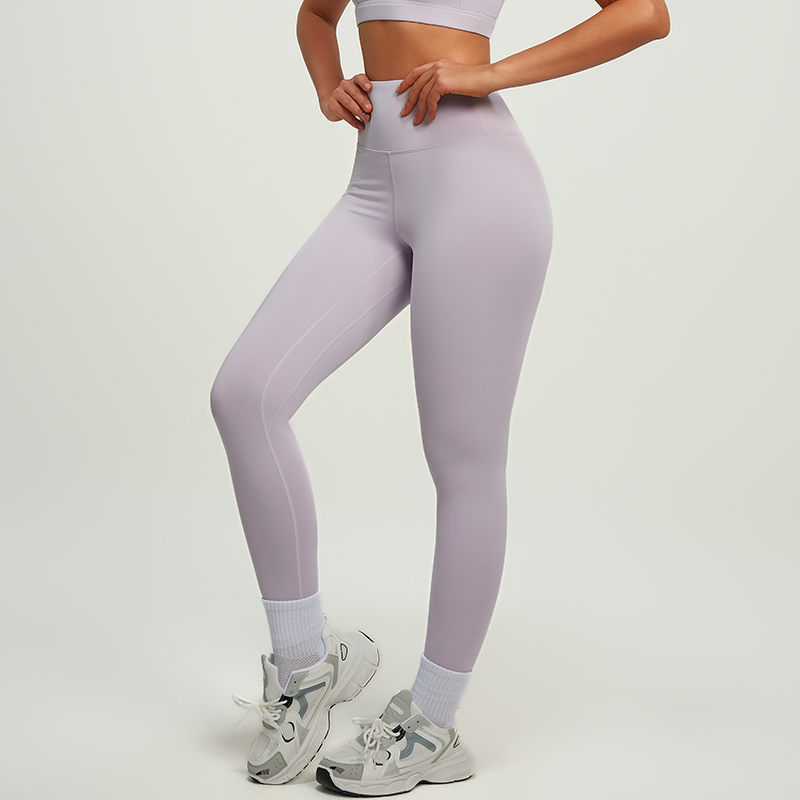
Fabric and fit: apples-to-apples comparisons
Compare core properties rather than names. List each option with measured stretch percentage, gram weight, and drying time. Prioritize fabrics that balance compression fabric with breathability for studio-to-street wear. Pay attention to waistband construction and gusset placement as they determine long-term comfort. These are technical markers you can confirm on a spec sheet and by touch.
Manufacturing trade-offs: cost, MOQ, and lead time
When you compare factories, three practical metrics dominate decisions: unit cost at target order quantities, minimum order quantities (MOQ), and predictable lead time. A lower quoted cost often hides higher rework expenses or longer lead times. I observed these trade-offs firsthand at a major apparel trade show in Los Angeles — suppliers there clearly separated those who optimized lead time from those who optimized price. For a clear partnership, consider a vetted custom yoga leggings manufacturer that publishes sample timelines and tooling requirements.
Quality signals to prioritize
Use a short checklist to rate suppliers in the same way you rate fabrics. These signals are concrete and measurable:
– Stitching types such as flatlock seams and reinforced crotch seams.
– Material performance: percent four-way stretch, pilling resistance after X washes, and moisture-wicking rate in grams per hour.
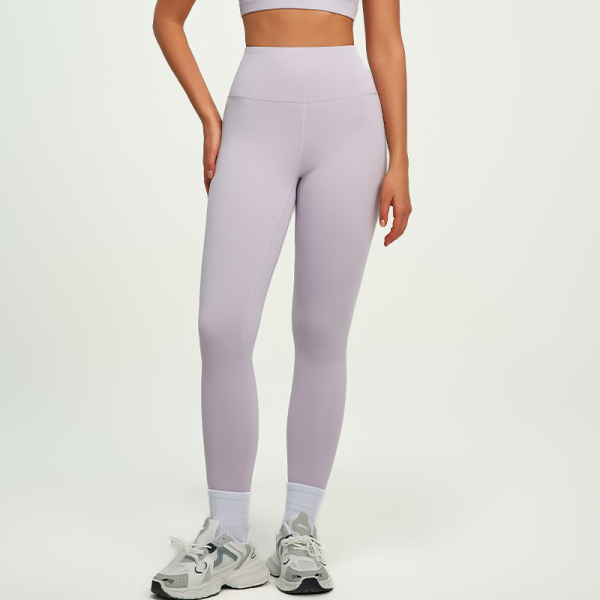
– Consistency: color matching tolerances and roll-to-roll dye variability.
Each item offers a pass/fail threshold you can verify during a proto run.
Common mistakes and practical alternatives
Avoid committing to a single supplier before trialing production runs. Brands often lock into a factory to chase unit price and then face quality drift. Instead, stage production: initial sample batch, scaled pilot, then production ramp. If a full custom line proves risky, consider private-label runs on proven silhouettes as an interim approach — the result is faster time-to-market while you refine unique cuts and fabric treatments. Small brands benefit from this hybrid path.
Sourcing in context: what worked on the floor
On the trade-show floor, the best suppliers presented clear spec sheets and test records rather than glossy lookbooks. They showed sample durability after standardized wash cycles and disclosed lead-time windows. That transparency correlates with fewer surprises in production. Also note finish options such as bonded seams or silicone waist grippers — small choices that change perceived value and return rates.
Advisory: three golden rules for choosing a partner
1. Measure what matters: require numerical specs for stretch, drying rate, and seam tensile strength before signing. These metrics beat adjectives every time.
2. Stage production: pilot runs uncover handling issues and trim inconsistencies before large spends.
3. Demand transparency: clear timelines, documented QC checkpoints, and visible sample revisions reduce rework and protect margin.
These rules point directly to reliable suppliers that treat design and manufacturing as parallel systems — and they explain why a steady partner like Joebond fits brands that need repeatable quality and sensible lead times. —